

Panama Canal saw 2.8% transit increase through January despite tensions
Analysts expect an increasing passage of vessels carrying US LNG through Panama to reach destinations in Asia
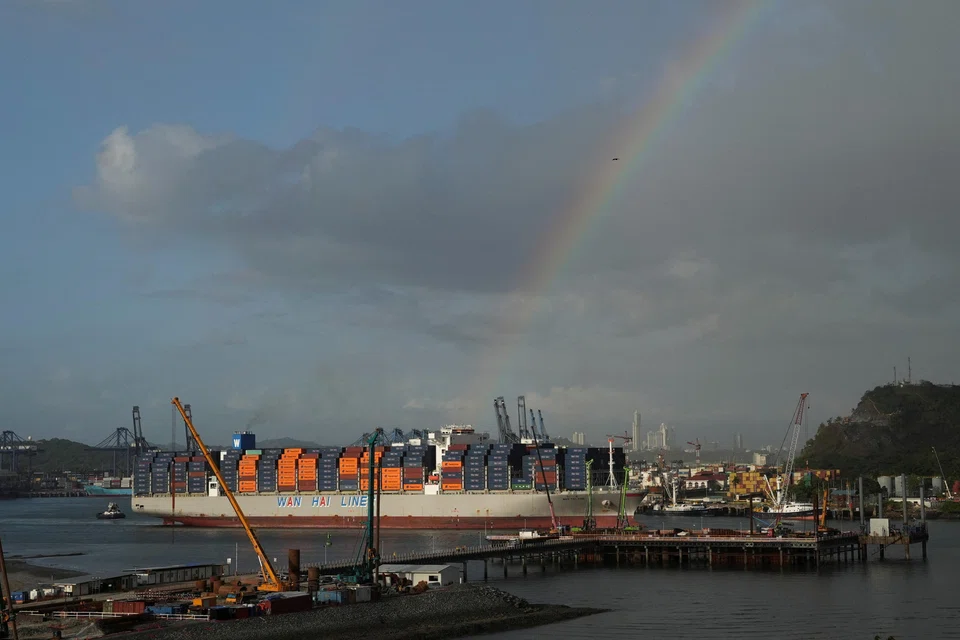
[PANAMA CITY] The Panama Canal, the world’s second busiest interoceanic way, saw a 2.8 per cent increase in vessel transits in the first four months of its fiscal year through January, according to an analysis prepared by its authority seen by Reuters on Friday (Mar 6).
Most traffic increases were registered by tankers carrying energy products, including liquefied natural gas (LNG), car carriers and dry bulk carriers, according to the report.
That growth represents 114 additional transits from the same period a year earlier to a total of 4,156 vessels in the four-month period, a sign that demand remained solid “despite increased global trade volatility, new tariffs, and geopolitical tensions”, the Panama Canal Authority said in the report.
“Tanker (transits) rose 11.2 per cent, driven by increased shipments from the United States due to higher demand for fuels and methanol from South Korea, Mexico, and Guatemala, resulting from trade agreements and tariff reductions,” it added.
Analysts expect an increasing passage of vessels carrying US LNG through Panama to reach destinations in Asia if problems at the Strait of Hormuz persist amid the US-Iran conflict, which is already forcing vessel reroutes.
“The Panama Canal is operating in a stable and reliable manner despite geopolitical uncertainties, steadily increasing the number of daily transits and maintaining predictable service levels for our customers,” it said.
SEE ALSO

The authority did not provide specific statistics after the U.S.-Iran conflict emerged, but said it is monitoring maritime trade. REUTERS
Decoding Asia newsletter: your guide to navigating Asia in a new global order. Sign up here to get Decoding Asia newsletter. Delivered to your inbox. Free.
Share with us your feedback on BT's products and services
TRENDING NOW

Two Singapore-listed palm oil firms named in Greenpeace report on Indonesian plantation fires
Singapore Airlines flight returns to San Francisco after ‘unruly’ passenger incident
Singapore looking into which companies responsible for haze-causing fires: PM Wong
Deluge IPO 3.86 times subscribed ahead of SGX debut

