

Prius sales are falling, but hybrids are more popular than ever
 Add BT as a preferred source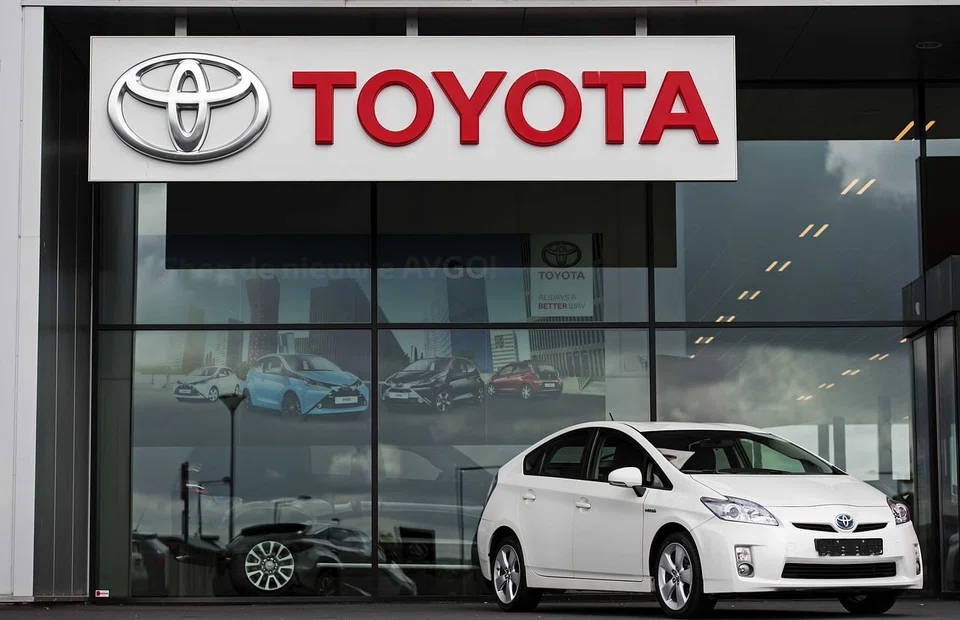
[SOUTHFIELD, Michigan] The Toyota Prius, once revered as the greenest car on the road, has fallen on hard times. Sales are on a six-year losing streak, and now the previously preeminent eco-mobile has fallen behind the Ford Fusion hybrid - a model its parent company plans to pull the plug on in a couple years.
"The Prius is the model that got us to where we are today; it led the charge to electrification, but now it's facing so much competition," said Jeff Schuster, senior vice president of forecasting for researcher LMC Automotive. "The Fusion is having a little bit of a last hurrah to send it off on a higher note."
Monthly sales released Monday provided further evidence of Prius's slide. Sales dropped 24 per cent in the month, bringing the model's year-to-date decline to 39 per cent. The automaker attributed the steep drop-off to a manufacturing changeover for an updated version that began in January.
The Prius ceding leadership of the US hybrid market would have been unimaginable in the early part of the century, when Hollywood celebrities including Leonardo DiCaprio and Cameron Diaz embraced the little larva-shaped car, and squadrons of them ferried stars to the Oscars. More than 4.4 million have been sold worldwide since the model's introduction two decades ago.
But sales peaked in the US in 2012, and its descent roughly follows the rise of Tesla Inc's sleek fully electric cars including the more mass market Model 3 sedan. "It's a competitive business," Bob Carter, Toyota Motor Corp's executive vice president for US sales, said in an interview. "There are some people who trade in their Prius for a Model 3 - I'm well aware of that. But it's still a very small part of the market."
While Tesla may have usurped the Prius as the it-car among the glitterati, Toyota and Ford Motor Co are finding new life for hybrid powertrains by installing them in models with broader appeal: sport utility vehicles and trucks.
The RAV4 small SUV is now among Toyota's top-selling hybrids. Ford is rolling out gas-electric versions of its Escape and Explorer sport utility vehicles this year and its top-selling F-150 pickup truck next year. Both companies are pitching these as "no compromise" vehicles. That's automaker-speak for: Don't worry about finding a place to charge your car and waiting while the battery is replenished.
Gas-electric technology remains cheaper than fully electric powertrains. This is especially the case with so-called mild hybrids that give mostly gasoline-powered cars quick electric-power boosts.
"When Prius started, it needed to really change the conversation, but now hybrids are part of the landscape," said Stephanie Brinley, principal auto analyst for researcher IHS Markit. "The need Prius had to stand out no longer exists. Hybrids are just part of Toyota's lineup, and most models offer them in an affordable way."
Analysts expect hybrids to outpace electric cars in the US through at least the middle of the next decade. By 2025, hybrids will represent 15 per cent of the US market, up from 2.7 per cent last year, according to LMC Automotive. Fully electric vehicles will grow to 4.5 per cent from 1.2 per cent in 2018. IHS Markit predicts hybrids will command 22 per cent of US sales by 2025, while wholly battery-powered vehicles will be 7 per cent.
BLOOMBERG
Share with us your feedback on BT's products and services
TRENDING NOW

‘I felt like dying’: Thai Singha beer scion speaks up after disclosure of alleged sexual abuse

Private equity giant Carlyle can grow bigger but needs to stay on its toes: co-founder David Rubenstein

Battle for Asia’s ultra-rich: ‘Singapore can’t afford to keep losing clients to Dubai, Hong Kong’

AI-linked layoffs in US spark new wave of one-person start-ups

