

Qantas Airways sets A$2b annual spending target
 Add BT as a preferred source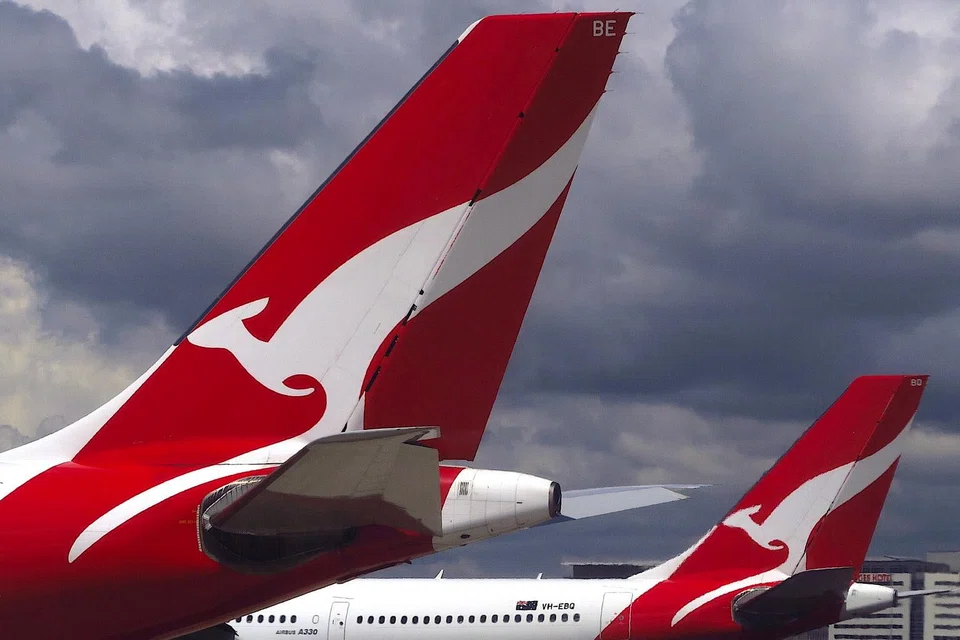
DeeperDive is a beta AI feature. Refer to full articles for the facts.
[SYDNEY] Qantas Airways is targeting annual spending of about A$2 billion (S$1.85 billion) and expects capacity growth to be little changed in the second half of fiscal 2020, the airline said in a presentation on Tuesday.
Qantas in August forecast A$2 billion of capital spending in the financial year ending June 30, 2020, up from A$1.6 billion the prior year, as it pays for new Boeing Co 787-9 planes and refurbishes the cabins of its Airbus SE A380s.
Qantas is also expected to place an order next year to replace its domestic fleet, which is dominated by 75 737 NGs but also includes 20 717s and 17 Fokker 100s.
Under the annual A$2 billion target, Qantas said its fleet can be replaced within 20 to 25 years.
In the quarter ended Sept 30, Qantas reported a near 1 per cent fall in unit revenue in its domestic business, which typically dominates profits, driven by a fall in demand for its budget carrier Jetstar.
Margins at Australian airlines have been squeezed by fuel costs and weakness in consumer spending, as well as falling business confidence as economic growth in Australia falters.
Navigate Asia in
a new global order
Get the insights delivered to your inbox.
Last week, chief executive Alan Joyce said the airline would decide by the end of the year whether to implement the ultra long-haul flights it has been testing. Non-stop flights to London and New York from Sydney and an order for Airbus A350-1000 or Boeing 777-8 planes could follow early next year.
This would push the annual target spend over A$2 billion.
REUTERS
Share with us your feedback on BT's products and services
TRENDING NOW

Vietnam formalises new state leadership, redefining ‘four pillars’ power balance

‘Largest Singapore commercial S-Reit proxy’: analysts say buy CICT shares after Paragon acquisition

From 1MDB to ‘corporate mafia’: Is Malaysia facing a new governance test?

Why where you park your joint venture matters: Lessons from a US$689 million shareholder dispute

