

Qantas lifts fuel cost forecast as Middle East war jolts oil markets
The airline said it will be increasing fares and moving flights toward routes where demand remained strong
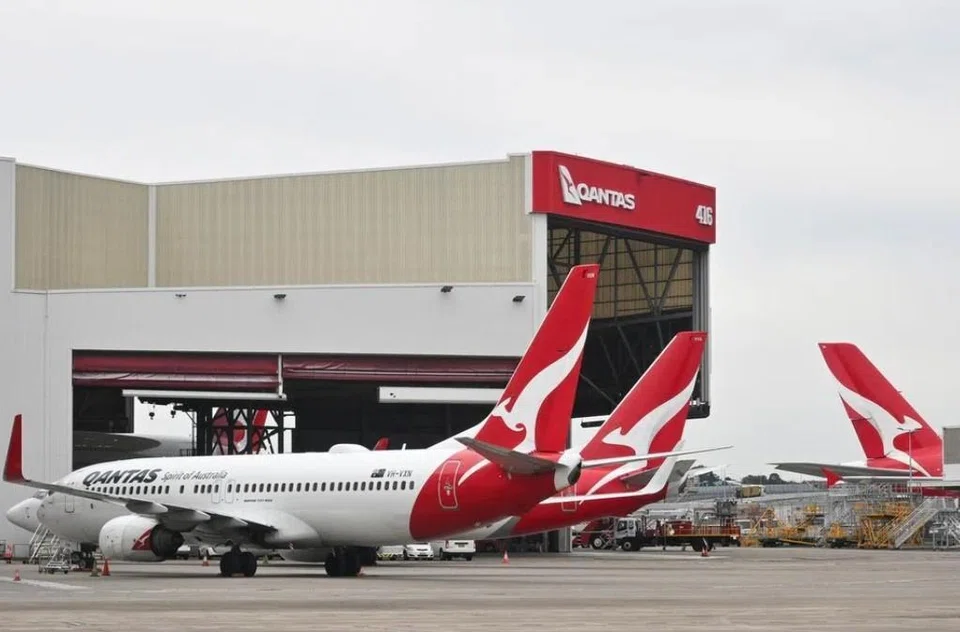
AUSTRALIA’S Qantas Airways said on Tuesday it has raised its fuel cost outlook and has not started its planned share buyback, citing sharply higher and volatile jet fuel prices after the war in the Middle East cut oil supply.
The airline said jet fuel prices have more than doubled, lifting its estimated fuel bill for the second half of fiscal 2026 to between A$3.1 billion and A$3.3 billion (S$2.8 billion to S$3 billion), up from its prior forecast of A$2.5 billion.
The surge underscores how quickly geopolitical shocks are feeding through to airline cost bases, with jet fuel prices soaring as refineries have been forced to cut output due to the loss of crude oil supply from the Middle East.
While Qantas has hedged much of its crude exposure, it remains significantly exposed to the spike in jet fuel spreads, it said.
To offset rising costs, Qantas is lifting fares and shifting flights toward stronger routes such as Europe, where demand remains firm, while cutting domestic capacity by about 5 percentage points in the June quarter.
The airline said revenue per available seat kilometre (RASK), a key measure of pricing power, is expected to grow between 4 per cent and 6 per cent for international operations and about 5 per cent domestically in the half year to June, reflecting higher fares, but said about half of fourth-quarter international sales were locked in before the crisis.
SEE ALSO
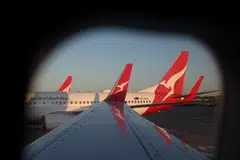
“Qantas continues to see strong demand for international travel to Europe as customers seek alternative routes. In response, the Group has redeployed capacity from the US and its domestic network to increase flights to Paris and Rome,” it said.
Even so, the scale and speed of the fuel shock has prompted a more cautious capital stance, with management opting to hold off on a previously flagged A$150 million buyback. REUTERS
Decoding Asia newsletter: your guide to navigating Asia in a new global order. Sign up here to get Decoding Asia newsletter. Delivered to your inbox. Free.
Share with us your feedback on BT's products and services
TRENDING NOW

LTA proposes combining car COE categories, adding rebate-surcharge system

StarHub to acquire MyRepublic’s mobile business amid ongoing telco consolidation

DBS, OCBC, UOB rout lops billions off STI as inflation, rate concerns spook investors

Grab CEO’s wife Chloe Tong on life with Anthony Tan and finding her purpose

