Ryanair ready to relocate planes from UK if pound hits demand
 Add BT as a preferred source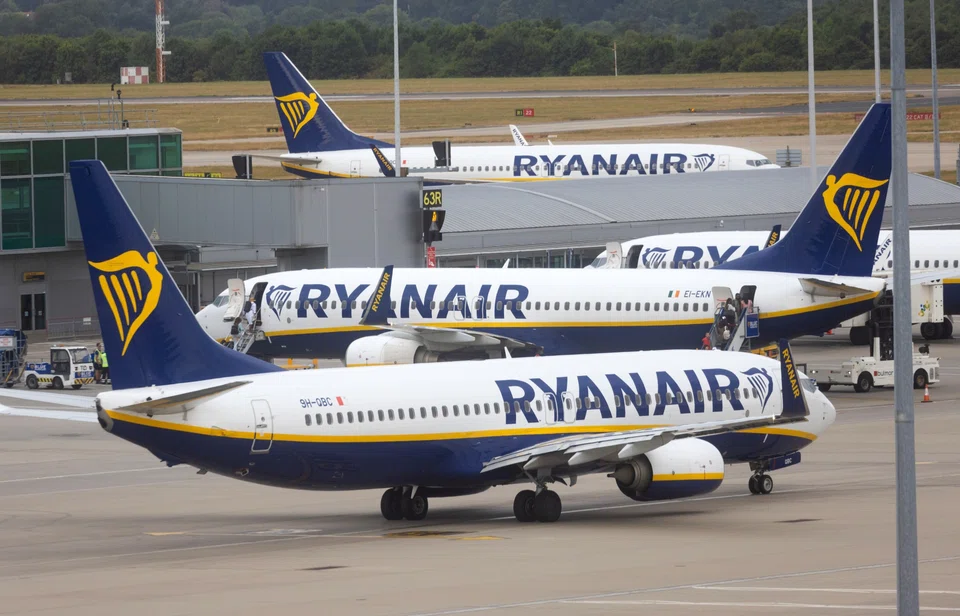
RYANAIR Holdings said it’s ready to redeploy aircraft from Britain to more vibrant markets if the pound’s collapse, soaring inflation and higher interest rates begin to undermine travel demand there. The economic situation in Ryanair’s biggest market has become challenging following the turmoil unleashed by Prime Minister Liz Truss’s new fiscal policy, with concerns about the impact of diminishing disposable income and higher effective prices facing Britons travelling overseas, it said on Wednesday (Sep 28). Ryanair has the flexibility to transfer planes between the 36 countries where it has bases and will do so if the situation dictates, Eddie Wilson, head of the Irish carrier’s main airline unit, told Bloomberg at an event in Dublin. “If there are issues with demand we have that ability to grow and locate aircraft in places that have the best cost base and where demand reflects putting in that capacity,” he said in an interview. Chief executive officer Michael O’Leary, speaking at a press conference, said Britain’s fiscal policy combined with spending commitments including energy price caps “could bankrupt the UK economy in the next 2 years”. That’s after he on Tuesday described the raft of measures announced by Chancellor Kwasi Kwarteng Friday as a “crazy budget”. Ryanair says that despite the situation in the UK and some other European countries it’s seeing no evidence of slowing demand and still plans to expand winter capacity 8 per cent above pre-Covid levels. The company once said that it expected Brexit to prompt an exodus of flights, something that didn’t materialise. The International Monetary Fund on Wednesday urged Truss to reconsider the massive unfunded tax cuts announced, while Moody’s Investors Service said the plan could do permanent damage to the public finances. The Bank of England staged a dramatic intervention to stave off a crash in the gilt market by pledging unlimited purchases of long-dated bonds. Wilson said Ryanair should pick up traffic as competitors struggle with fuel costs and unfavourable exchange rates, causing them to trim their timetables. Some failures are likely among carriers unhedged on oil, and the “smaller ones around the edges” will “probably go”, he said. BLOOMBERG
Decoding Asia newsletter: your guide to navigating Asia in a new global order. Sign up here to get Decoding Asia newsletter. Delivered to your inbox. Free.
Share with us your feedback on BT's products and services