S$500m in aviation support for Singapore Changi Airport

Singapore
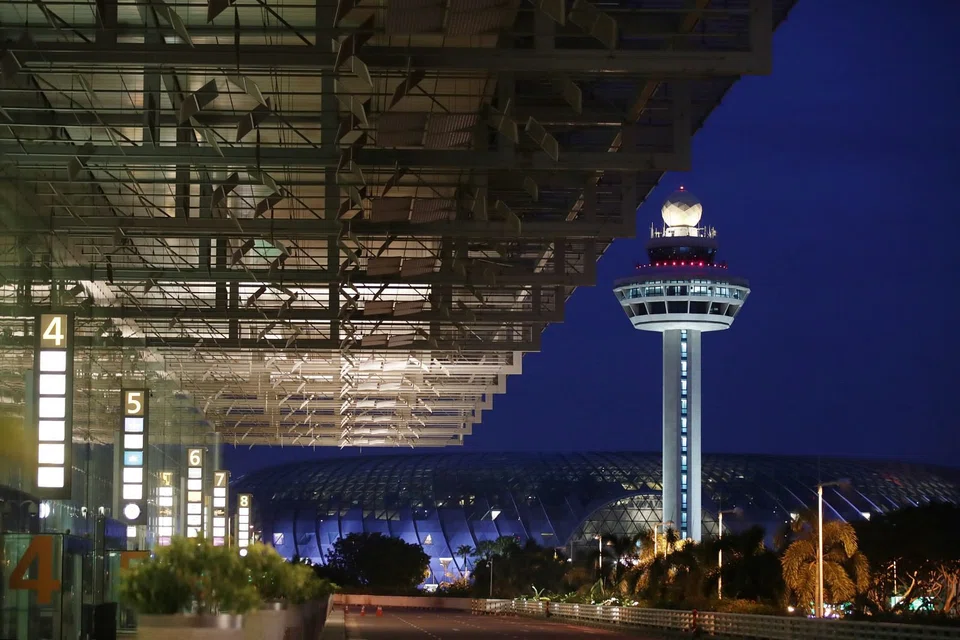
SINGAPORE aims to restore Changi Airport passenger traffic this year to at least 50 per cent of pre-pandemic levels as it gears up for vaccinated, quarantine-free travel.
Minister for Transport S Iswaran shared this goal at his ministry's Committee of Supply debate on Wednesday (Mar 9), as he announced another S$500 million earmarked to help the beleaguered aviation sector as it gradually recovers from the economic impact of the pandemic. The state reliefs would come in the form of continued wage support, fee rebates and funds to encourage industry transformation. He added that Singapore will transit to vaccinated, quarantine-free travel from Vaccinated Travel Lanes as it reopens further.
He stated: "Our aim is to allow all fully vaccinated travellers from countries and regions under the Ministry of Health's 'low risk' and 'general travel' categories to enter Singapore without having to serve Stay-Home Notice (SHN), or quarantine. This will effectively reopen our borders to the rest of the world."
Rico Merkert, a professor of transport at the University of Sydney, told The Business Times that governments around the world are clearly moving to a vaccinated-traveller system that does not require quarantine for fully vaccinated travellers fairly soon.
Prof Merkert noted: "In fact, this is what we have done in Australia, too and so far with success. That change in policy will help get demand up but whether it will be enough to get to 50 per cent of pre-pandemic passenger traffic remains to be seen."
He thinks that it is a realistic target and should be achievable, although a lot now also depends on the geopolitical uncertainties caused by Russia's invasion of Ukraine. He said the confidence of travellers and businesses as well as air ticket prices for airlines that are not hedged against elevated fuel prices are factors that might weigh on air travel demand.
Steven Ler, president of the National Association of Travel Agents Singapore, is confident that Singapore would be able to reach the goal. The caveats are, he stated, that inbound vaccinated travellers should not be limited to designated flights, domestic safe management measures should be relaxed, and Singapore should work with neighbouring countries to make the region a welcoming destination.
Kwee Wei-Lin, president of the Singapore Hotel Association believes the goal is achievable if Singapore raises the daily VTL quota and improve visitor experiences. She stated: "For example, the mandate on wearing of face masks and limitation on dining group size may not be appealing to some visitors, whose countries have relaxed these measures."
But Shukor Yusof of aviation consultancy Endau Analytics holds a different view, as he said Changi's position as a top transit and connectivity centre has been "severely eroded" due to the pandemic.
He noted that while Changi Airport served more passengers in 2021 - recovering to about 15 per cent of pre-pandemic levels, up from 3 per cent the year before - this was still significantly below the levels before the pandemic hit.
Added Shukor: "To get to 50 per cent of pre-pandemic passenger traffic in 2022 is over-ambitious, given the ongoing war and the likelihood of this triggering a global recession, which will also hurt SIA (Singapore Airlines)."
Like Ler, he said much has to be done beyond the vaccinated traveller system, including abolishing all forms of testing requirements and restrictions, and ensuring Singapore is a value-for-money destination as air travellers become increasingly price-sensitive.
Iswaran said the cost relief and other financial assistance will ensure that the aviation sector has the capabilities and capacity to capture the recovery and transform itself to emerge stronger from the pandemic.
The state relief, provided under the OneAviation Resilience Package, includes S$60 million of wage support through the aviation workforce retention grant from April to September 2022. This covers 10 per cent of wages paid to local staffers, with a cap of S$4,600 of gross monthly wages per employee.
Another S$390 million is for cost relief and support for public health safeguards, with the rebates on fees and charges payable by aviation stakeholders at Changi Airport and Seletar Airport to be extended for 6 months. The government will review whether there is a need for this support to continue.
The cost of implementing public health and safe management measures at the airport will continue to be defrayed.
Also, under the package, companies that invest in industry transformation efforts like the use of autonomous and digital technologies will be able to tap S$50 million from the Aviation Development Fund.
The Republic will be conducting a sustainable aviation fuel pilot in the third quarter of this year to nudge the industry towards lower emissions. This came ahead of the Singapore Sustainable Air Hub Blueprint, which will be unveiled by early 2023.
"Besides lowering emissions, it will also create new opportunities for Singaporeans in fields like data analytics and engineering," Iswaran told the House.
Responding to a question about the assistance for aviation companies to cope with increased business costs arising from higher carbon taxes, which would include higher electricity charges, Iswaran said the government is working with aviation players to adopt new technologies and other measures to enhance energy efficiency, reduce electricity usage and lower carbon emissions.
"I should add that our aviation enterprises should also view this as an opportunity to differentiate themselves and enhance their competitiveness given the global focus on sustainability," he said.
Meanwhile, the ministry is closely monitoring the developing Russia-Ukraine conflict with its aviation partners and "will mount an appropriate response should the need arise".
- Additional reporting by Sharon See