

SIAEC in the cross hairs of Malaysian ire highlights aviation MRO sector’s deepening woes
Skilled worker and spare parts shortages causing challenges and friction, including unfounded allegations of staff poaching

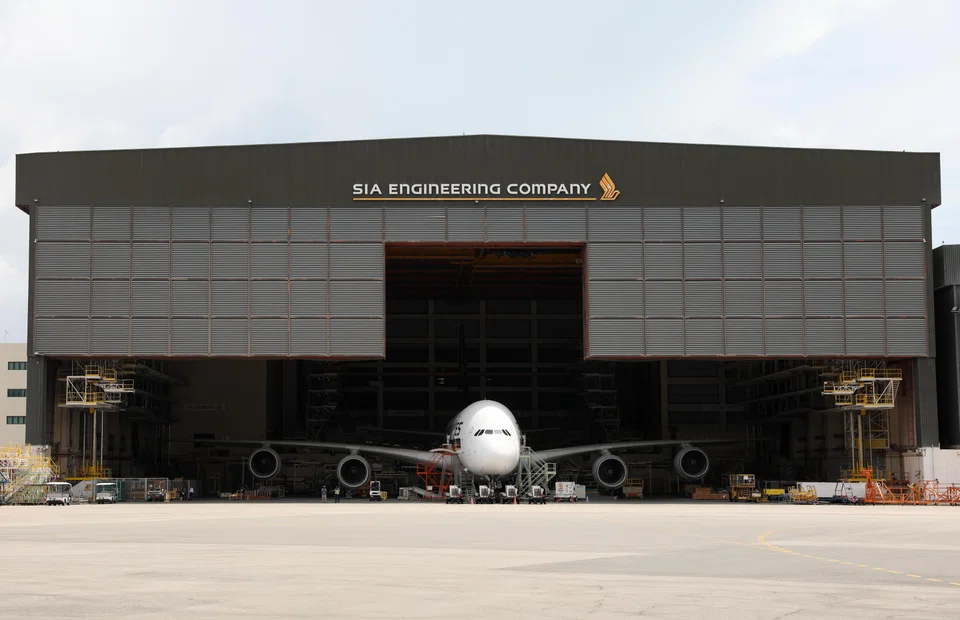
THE recent woes at Malaysia’s national carrier have put Singapore-listed SIA Engineering Company (SIAEC) in the cross hairs of Malaysian politicians.
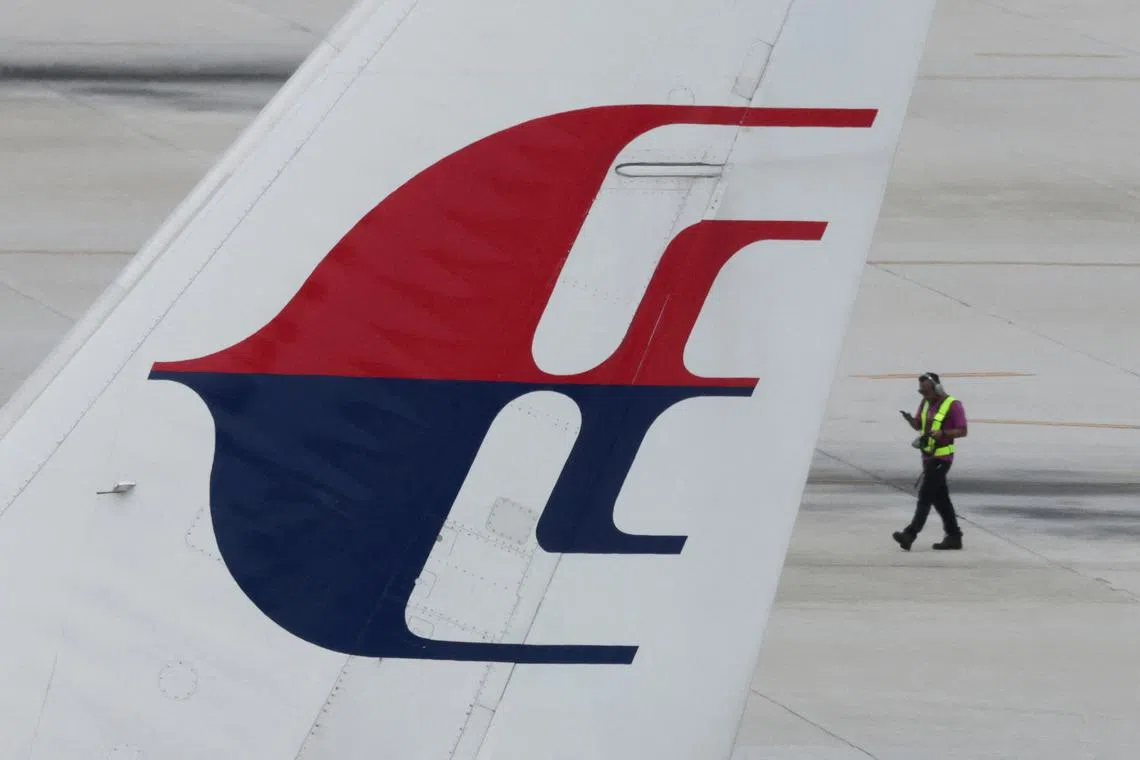
The maintenance, repair and overhaul (MRO) arm of Singapore Airlines (SIA) has been accused by some Malaysian opposition politicians and former leaders of causing dozens of skilled workers to leave Malaysia Aviation Group (MAG) amid a manpower crunch.
SIAEC has denied this and set the record straight in response to queries from The Business Times.
“Our recruitment processes are designed to be fair and transparent, adhering to all local regulations and industry best practices,” it said in a statement. “In line with this, we have conducted only open recruitment exercises to support the operations of our Malaysian subsidiary, Base Maintenance Malaysia (BMM).”
Since BMM’s 2023 inception to date, it has hired approximately 150 technical personnel through open recruitment exercises and partnerships with Malaysian educational institutions, added SIAEC.
“We would like to clarify that less than 10 per cent of these 150 new hires were previously from Mabes (Malaysia Airlines Berhad Engineering Services). They, like the remaining 90 per cent, met BMM’s stringent selection criteria and joined us from the open hiring market,” pointed out SIAEC.
Meanwhile, BMM has hired 35 trainees through its partnership with Malaysian institutions of higher learning, noted SIAEC, so as to “ensure that there is a steady pipeline of MRO technical personnel in Malaysia, strengthen the country’s talent pool, and contribute to the growth of its aviation industry”.
The unfounded accusations have come in the wake of several incidents in August in which Malaysia Airlines planes to Shanghai, Madinah and Seoul have had to turn back to Kuala Lumpur International Airport after encountering technical difficulties. A Malaysia Airlines plane en route to Kuala Lumpur from Melbourne on Aug 20 had to make an emergency landing at Alice Springs in Australia’s Northern Territories. MAG is the parent of Malaysia Airlines.
A common reason cited for these mechanical issues is a shortage of skilled aircraft-maintenance workers. As a result, MAG moved to cut network capacity for three of its airlines by 20 per cent. The group also owns Firefly and Amal Air.
Aviation experts tell BT that the MRO sector in Asia’s aviation industry is facing challenges that have become more pronounced post-pandemic.
The Covid crisis brought about forced furloughs or retrenchments of skilled workers as well as a shortage of parts. These issues appear to be boiling over now and contributing to more operational challenges and friction, such as poaching accusations in the sector.
Separately, Cathay Pacific had to urgently ground some of its Airbus A350 planes last week for engine repairs after faults were exposed by a mid-flight engine fire. That caused Europe’s aviation safety agency to order airlines to conduct inspection of some A350 planes. It also prompted some other airlines, including SIA, to check their fleet as a precautionary measure.
Rico Merkert, a professor of transport at the University of Sydney, pointed out that with airlines already busy meeting the high travel demand and having to work their aircraft harder, the MRO and engine issues have had a bigger impact on network capacity.
While MAG and Cathay Pacific encountered different problems, a key common challenge is the severe shortage of skilled workers, the academic said.
He said that MAG has not been able to build up the knowledge and manpower again to deal with the current demand. Rolls-Royce, the maker of the problematic engines in Cathay Pacific’s case, is also affected by the global shortage of engineers “but to a different level and in a different context to MAG”.
Ellis Taylor, aviation analytics firm Cirium’s Asia editor, said: “Globally, skilled engineers and technicians have been in short supply, and that has meant that there is a lot of competition for those skills both in Asia and beyond.”
At MAG, the pressure seems to be from the expansion of competing MRO firms, such as AirAsia’s Asia Digital Engineering and SIAEC, Taylor noted.
That challenge, he added, is compounded by third-party suppliers, such as engine-maintenance shops, which have struggled to get their own skilled staff, and are facing issues in their supply chains to get spare parts.
DBS analyst Jason Sum said that workforce issues are not particularly pressing for Singaporean MRO players as total employment in aerospace companies has surpassed pre-pandemic levels. Productivity, however, has yet to fully recover, as the current workforce includes a higher proportion of less-experienced new hires.
The primary challenge that the Singaporean MRO players face is the shortage of parts and components, which is affecting turnaround times, Sum noted.
He commented: “Nevertheless, the outlook for MRO players remains promising, with MRO demand poised for growth on the back of rising aircraft utilisation and airlines’ growing reliance on older aircraft that have higher MRO content.”
Taylor pointed out that carriers that have been affected by both the labour and supply chain shortages include AirAsia, which has not been able to completely reactivate its fleet post-pandemic.
As for SIA and its budget arm Scoot, it seems that they are not as vulnerable because their large in-house engineering arm SIAEC also has capacity in the Philippines, and is bringing a hangar into service in Malaysia as well, he added.
“This means that, if push came to shove, SIA could prioritise its own group aircraft if they needed additional maintenance.”
However, the carrier, like its peers, is finding that it is taking longer to get spare parts, engines and the like than before the pandemic, Taylor said, with the situation unlikely to resolve in the short term.
Also, SIA is not expected to benefit from the capacity woes of other airlines. DBS analyst Sum said that “we do not anticipate any significant reduction in capacity among SIA’s key competitors at this time and expect the competitive landscape to remain challenging over the next year”.






