

Singapore sales of ultra-luxury cars like Ferrari, Rolls-Royce dive on higher taxes, lower rebates
Top-end car registrations in the first five months of 2024 stand at 51, 77.6% down from 228 in the year-ago period

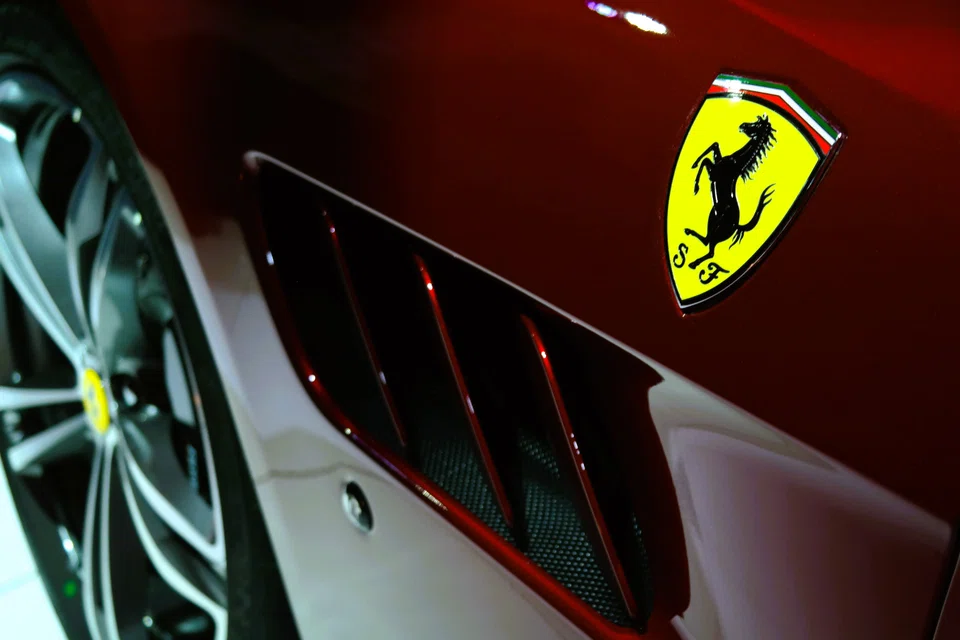
SALES of ultra-luxury cars in Singapore have plunged to a fraction of previous levels, more than a year after a major hike in taxes, Land Transport Authority data showed.
Across six ultra-luxury brands that sell in significant numbers here, there were 51 registrations in the first five months of 2024, down 77.6 per cent from 228 registrations in the year-ago period.
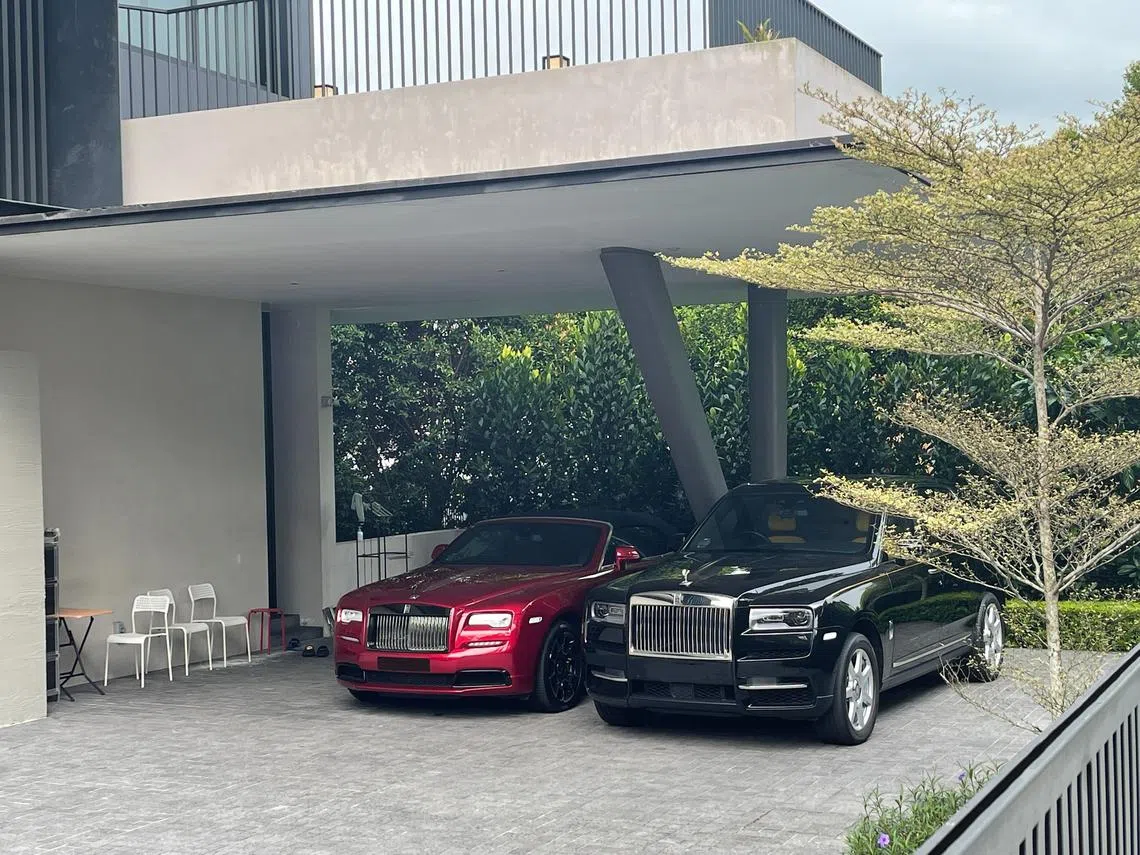
The brands – the cars of which typically cost S$1 million or more – are Aston Martin, Bentley, Ferrari, Lamborghini, McLaren and Rolls-Royce.
Ultra-luxury car sales reached a 10-year high in 2021 with 360 units registered, having steadily increased from 143 units in 2016.
But registrations dipped slightly in 2022, then plunged in 2023 – and have fallen even further this year.
Industry observers attributed this to the lingering effect of changes introduced in February 2023: higher taxes on more expensive cars and reduced rebates that mean higher cost of ownership.
Sticker shock, stuck
“Of course (the reason) is still taxes. It’s sticker shock. All of our cars increased in price by around S$200,000 on average,” said Chow Yi Ling, general manager for Bentley Singapore.
Say Kwee Neng, an automotive consultant and former managing director of a car dealership group, agreed that the tax hike was the “main killer” of sales for ultra-luxury car buyers.
“They didn’t get to be millionaires by being stupid about money. Perhaps the government has finally found the threshold where even the super-rich won’t cross,” he added.
In 2022, a new top tier of the Additional Registration Fee (ARF) – a type of car tax – was introduced for cars with an open market value (OMV) of more than S$80,000.
Then in Budget 2023, the ARF was increased for cars with an OMV of S$40,000 or more, with the greatest hike for the portion of OMV in excess of S$80,000.
The OMV is the cost of a vehicle when it lands in Singapore. It includes the purchase price, freight and insurance, but not local taxes nor other charges such as road tax and Certificate of Entitlement (COE).
Mainstream East Asian cars have an OMV of around S$20,000 or less.
But a Bentley Flying Spur V8, for example, has an OMV of around S$230,000. The ARF hike would mean a S$160,000 increase in price – without COE and options – to S$1,139,000, from S$979,000 before.
Two consecutive years of ARF hikes have distorted the market and not given it a chance to fully recover, which explains the current crash, said Chow.
She added that in both 2022 and 2023, buyers rushed to register cars by May, which was when the last of the pre-tax-hike cars could be put on the road.
As those who wanted to buy luxury cars have already done so, the market is now quiet, she added.
Residuals eroded
Another factor keeping buyers away is the reduction of car values, said dealers.
Budget 2023 also included a move to cap preferential ARF rebates (PARF) at S$60,000, which Finance Minister Lawrence Wong said was to “avoid providing excessive rebates to more expensive cars when they are deregistered”.
The PARF rebate is the portion of ARF returned to an owner if a car is deregistered before its COE expires – that is, within 10 years. It is taken into account when determining a car’s resale value and its annual depreciation.
Using the example of the Bentley Flying Spur V8, owners would have been entitled to around S$230,000 in PARF rebates before the cap.
Receiving less in PARF rebates means higher depreciation of the car and a higher cost of ownership, explained Chow. “I think (the PARF reduction) is what Singaporean buyers, even ultra-high-net-worth ones, are conscious about.”
Dawn Loo, general manager for Eurokars Supersports, said that dealers can manage the effect of the ARF increase by offering more local options or equipment to justify the higher price. In contrast, there is no way to manage the effect of reduced PARF rebates, she said.
Chilling effect?
As for whether last year’s high-profile money laundering bust has had an effect on ultra-luxury car sales, industry views are mixed.
Last August, 10 foreign nationals were arrested, blowing open a multibillion dollar money laundering ring. This month, with the conviction of the suspects, almost a billion Singapore dollars in assets have been forfeited to the state, including 36 vehicles – some from Bentley, Ferrari and Rolls-Royce.
The case has meant increased scrutiny on the wealthy in Singapore.
“I think the money laundering episode threw a lot of cold water over this trade,” said Say. “A similar thing occurred in the luxury watch market. The air was sucked out of the room.”
Still, Bentley’s Chow sees tax hikes as being a bigger factor in the current slump, pointing out that ultra-luxury registrations peaked in May 2023 and sales have remained low since.
Loo suggested an additional reason for the dip in registrations: more ultra-luxury car enthusiasts may be buying limited-edition vehicles for their collections without registering them.
For such cars, which are stored in bonded warehouses and cannot be used on the roads here, owners do not have to pay road tax, COE or ARF. There is no publicly available data on the number of such cars here and it is “difficult to estimate their numbers”, said Loo.
By not registering these cars, buyers could save millions in taxes.
For example, the Pagani Huayra BC Roadster is a limited-edition hypercar previewed in Singapore last year, with an OMV of around S$4 million. It would cost around S$10 million more to register for the road, and its PARF would have increased by around S$3 million after the February 2023 announcement.
Looking ahead, observers expect the market to remain quiet – with dealers seeing a need to work harder as ultra-luxury buyers need more convincing before shelling out for fancy wheels.
“Previously, they would upgrade every two or three years. Now, customers are in the market when there are new products or variants which will excite them,” said Bentley’s Chow.
“The market is still there, but it’s slow in contrast. For those who have the means, the potential (to buy) still exists.”
TRENDING NOW

Once staunchly pro-China, Malaysian Chinese businesses are now distancing themselves from Beijing
Stocks to watch: HPL, Aims Apac Reit, Zico, Advanced Systems Automation, ComfortDelGro

‘How many will survive?’: Bubble fears arise as China’s humanoid robotics face reality check
Smaller board lots can’t fix a market run by three banks

