Singapore's Uber disruption no longer an attention grab: Gadfly editorial
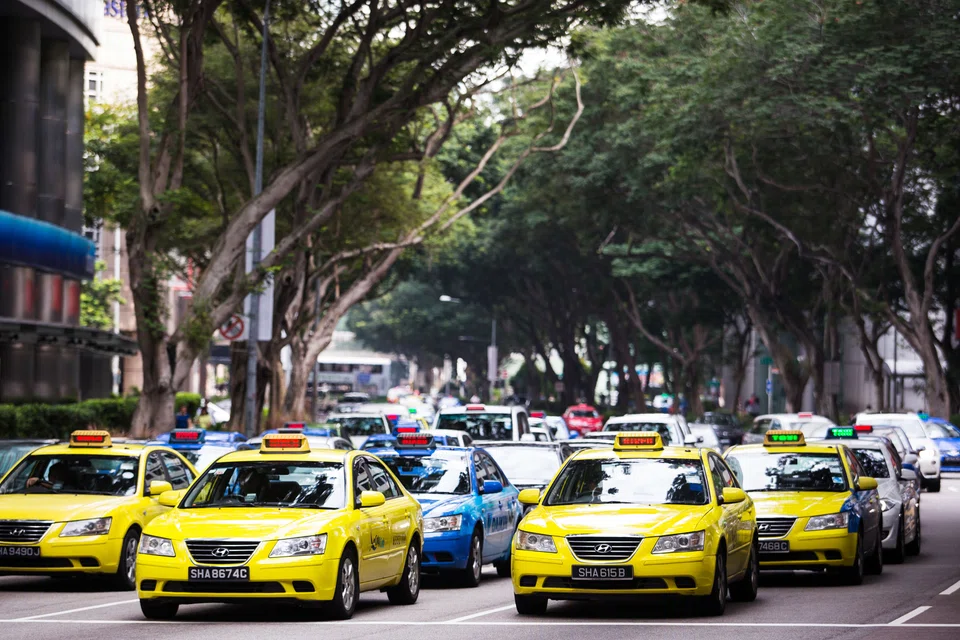
[SINGAPORE] Just 12 months ago it looked like Singapore's taxi business was going to be turned on its head. But the threat of disruption from ride-sharing apps is no longer worrying investors. It seems the moment for the likes of Uber and Grab has passed. ComfortDelGro, the island's biggest conventional taxi company, is powering away, with analysts' estimates of its profit margin among the most bullish for companies on the MSCI Asia Pacific Excluding Japan index.
According to Nomura, weekly incentives for Uber drivers in the city are down 43 per cent from the third quarter of 2015. Uber and GrabCar, the two chauffeured car services, now have a 7 per cent market share, the brokerage estimates. And growth is slowing. Instead of enlisting more disillusioned property brokers as drivers, these companies are probably focusing more on profitability, which means giving their existing fleets more opportunity to benefit from surge pricing.
Indeed, the battle for market share is losing momentum pretty much everywhere in Asia. China is drawing up regulations that will balance the interests of both traditional and online ride-hailing companies, according to a report this week by the South China Morning Post.
In Indonesia, shares of Express Transindo, the archipelago's second-biggest taxi company by market value, have almost doubled since Dec 31, helped by a 29 per cent rise on Monday amid speculation the government might block Uber and Grab.
The stock, which still trades 1 standard deviation below its five-year average price-to-earnings ratio, has gained from a drop in fuel prices and a revival in investor confidence, despite being downgraded last week by local rating company Pefindo, which still expects "more intense" competition from the likes of motorcycle hiring service Go-Jek.
Such fears may be overdone. In India, Uber drivers' incentive payments have already come down quite significantly and both Jakarta and Mumbaiare building subway systems.
New Delhi has started experimenting with keeping half the city's cars off the roads on certain days to tackle pollution.
COMFORTDELGRO'S TOTAL FLEET SIZE 46,650
Granted, emerging Asian nations will probably take years to expand public transport to a point where it can seriously curb demand for private rides. But in Singapore, change could come fairly quickly.
The government is making lumpy investments in the city's infrastructure. In five years, total spending has risen 66 per cent and the target is to bump that up by a further 50 per cent by the end of the decade to S$30 billion, or almost 6 per cent of GDP.
A chunk of that will go toward improving the island's public transport network, which doesn't augur terribly well for cab demand but may give a boost to ComfortDelgro's train and bus operations.
That being the case, it's just as well app-based services are stopping short of creating a permanent glut of for-hire vehicles.
Maybe the next big threat will be self-driving cars. Until then, Asia's conventional taxi-hailing companies might be worth a ride.
This column does not necessarily reflect the opinion of Bloomberg LP and its owners.
BLOOMBERG
Share with us your feedback on BT's products and services