

Surge in COE prices negates weaker yen’s effect on Japanese car prices

Derryn Wong
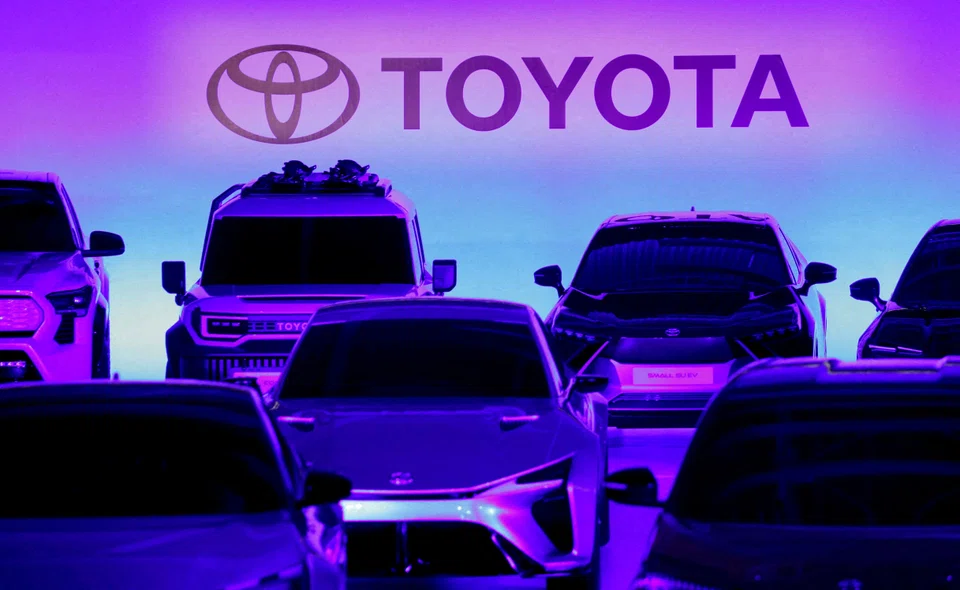
THE weakening Japanese yen has lowered the costs of some Japanese cars in Singapore. The fall, however, has been more than negated by higher certificate of entitlement (COE) prices, said car dealerships.
Since 2020, the yen has steadily lost ground against the Singapore dollar. It closed at 108.34 on Tuesday (Sep 19), from 97.52 on Jan 2.
While not all Japanese-branded cars are made in Japan, those made there are generally paid for by dealerships in yen.
Yet, the rise in COE premiums has “massively outweighed” this foreign exchange effect, said Nicholas Wong, general manager for Honda distributor Kah Motor.
Ron Lim, head of sales and marketing at Nissan distributor Tan Chong Motor, noted that with a mainstream Japanese car costing around 2.5 million yen (S$23,066) on average, the downturn in the yen translates to savings of around S$2,100 after tax and duties.
“However, if we look at the rise in COE premium over the same time, the cost savings from the weaker yen has been completely wiped out, leading to higher overall prices of Japanese cars in consumers’ eyes,” he said.
The price of Category A COEs, for mainstream cars, rose 26.3 per cent or S$21,000 to S$101,000 in September’s first round of bidding, from S$80,000 in January’s first round of bidding.
Category B COEs, for larger, more powerful cars, rose 32.3 per cent or S$32,887 in the same period.
According to Land Transport Authority (LTA) data and retail price lists, the open market value (OMV) for some Japanese cars has come down over the past six months. LTA data for September OMV is not yet available. The OMV is the price paid for the vehicle when it arrives in Singapore. It includes the purchase price, freight, insurance and charges related to the sale and delivery of the car to Singapore, but not taxes, COE and dealer markup.
Car prices may not always change in direct proportion to forex movements, because distributors or dealers may sign fixed pricing agreements with their original equipment manufacturers (OEMs). Car prices can also be affected by inventory levels and supply or freight issues.
A spokesperson for Inchcape Singapore – the distributor for Toyota, Lexus, Hino and Suzuki – said the forex rate does not have an immediate and direct impact on its retail prices. This is because the company has “established an effective arrangement with our OEMs to maintain price consistency and minimise possible forex fluctuations”.
Authorised dealers told The Business Times (BT) that the length of the agreements can vary, with some lasting as long as two years.
Mainstream car dealers typically maintain one month to three months’ worth of stock, said Kah Motor’s Wong, which is why forex fluctuations are not immediately reflected in a car’s OMV at the time of registration.
Inchcape’s spokesperson said OMV and retail price are also affected by freight costs, noting that a forthcoming batch of its Corolla Altis model will see a small increase in OMV for that reason.
Parallel importers have more scope to benefit from the weak yen, as they often purchase Japanese cars at prevailing prices from dealers or auction houses in Japan.
The sales manager of a major parallel importer said, however, that there has been an “explosion of demand” for cars post-Covid, both in Japan and around the world, making it harder to source Japanese cars at competitive prices.
BT previously reported that chip shortages are no longer a major factor hindering car production, but supply chain disruptions continue to affect this globally.






