

Tata aims to restore Jaguar's cachet in US
India carmaker introduces new models, renews commitment to compete with luxury heavyweights
Detroit
WHEN Tata Motors acquired the Jaguar and Land Rover brands in 2008, the deal added a new twist to the rapid globalisation of the car industry.
It raised an intriguing question: Could a fledgling Indian carmaker, albeit one with a huge parent company, make British luxury sedans and sport utility vehicles for sale primarily to wealthy, and discriminating, American consumers?
The answer, so far, has been yes. Global sales of Jaguars and Land Rovers have more than doubled since the buyout, and the brands combined to produce US$1 billion in pre-tax profits for Tata in its most recent quarter. In fact, Tata's acquisition of the brands for US$2.3 billion from a then financially ailing Ford Motor looks like a bargain today.
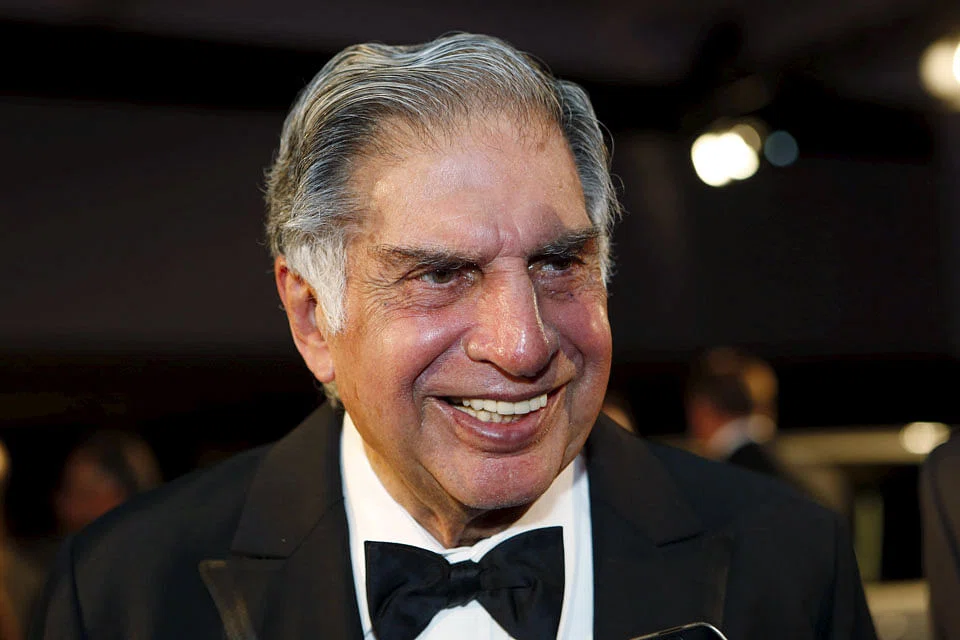
In addition, it has validated the vision of Ratan Tata, the 77-year-old retired chairman of the Indian conglomerate, which first branched out into cars by building low-cost cars for its home market.
"The greatest pleasure I've had is to try to do something that people said would never be done," Mr Tata said at his induction in July into the Automotive Hall of Fame in Detroit.
But despite the overall gains made by the British brands, their combined comeback has been somewhat lopsided. Last year, Land Rover's lineup of stylish and rugged SUVs accounted for more than 80 per cent of the 462,000 vehicles sold by Tata's British subsidiary.
And while Land Rover sales continue to surge in the SUV-hungry American market, Jaguar is struggling to take advantage of the industry's best economic conditions in the US in a decade.
US sales of Land Rovers have risen 20 per cent in the first eight months of this year, compared to an increase of about 4 per cent for the industry overall. Jaguar sales, however, have dropped about 4 per cent from the same period in 2014.
"This is an interesting company because they have these two brands that are sort of going in opposite directions in terms of performance," said Michelle Krebs, an analyst with car-research firm Kelley Blue Book.
Now, Tata is attempting to bolster the Jaguar business with an infusion of new products, and a renewed commitment to competing with luxury heavyweights such as BMW, Mercedes-Benz and Audi.
In mid-September, Jaguar will take the wraps off its first SUV when it shows its F-PACE model at the Frankfurt car show. It will arrive in US showrooms next spring, along with another new model, the Jaguar XE compact sedan. Together, the two vehicles are expected to eventually more than double Jaguar's US sales volume, as well as jump-start its efforts to attract younger buyers to the brand.
On Thursday, Jaguar executives stoked expectations for the brand at a marketing event in New York, which also included details of a new pricing strategy and an improved customer-care programme. "It is a turning point for Jaguar," said Kim McCullough, head of North American marketing for both of Tata's British brands.
Jaguar's current lineup consists of three sedans that compete with the most expensive, high-tech models made by much bigger German brands such as BMW. But the new Jaguar SUV and compact cars will participate in much broader segments of the market. The new XE compact sedan, for example, will go on sale next year at a price slightly under US$35,000 - about half of what current Jaguars sell for.
Jaguar officials think the cost, combined with the brand's upscale British image, can lure younger buyers away from competing products such as Audi's A4. "We want to make sure we are competing in the heart of the market," Ms McCullough said. "The XE segment is a critical audience for us."
The price for the new SUV will be revealed at the Frankfurt show. The vehicle is targeted at a slightly more fashionable clientele that now gravitates to high-performance SUVs made by Porsche and others.
"It will have all the attributes and performance of the best in that class," said Rob Filipovic, a Jaguar product executive. "We are coming in with an extremely strong product in that segment."
Jaguar is also touting a new version of its mid-sized XF model that goes on sale this fall. The car is lighter because of extensive use of aluminium. Perhaps more important, Jaguar has dropped the price on the entry-level version of the car to US$51,900 - a reduction of more than US$5,000 from its current model.
Diversifying Jaguar's portfolio is long overdue. Ford had allowed the brand to languish in its final years of ownership because of financial constraints. The US company had also alienated some Jaguar enthusiasts over the years with subpar products, including one model derived from its mass-market Mondeo sedan sold in Europe.
But with the support of the Tata industrial conglomerate, which last year had revenues of more than US$100 billion, Jaguar now has a chance to grow alongside the surging Land Rover business.
Moreover, reviving the two brands together will cement Tata's status as a serious, long-term player in the global car industry.
That hardly seemed possible seven years ago - and almost as unlikely as Tata being welcomed into the Automotive Hall of Fame this summer alongside industry stalwarts such as Roger Penske, the billionaire race-car owner and car dealer.
"It's a little overwhelming if I do say so," Mr Tata said in his induction speech. "For me, the automotive business has more excitement than any other." NYT
TRENDING NOW
Ex-Nvidia CEO Jensen Huang carried a secret for more than a year. It led to his downfall

South-east Asia has lost Nvidia’s best salesman

Demand, tech capabilities position Apac and AI as Skyscanner’s next growth frontiers: CEO Bryan Batista

Jensen Huang discusses comeback as Nvidia CEO with allies: report

