

Tesla quarterly deliveries set record, but firm’s shares down 7.5% despite positive result
It delivered 480,126 vehicles worldwide in the second quarter, a 25% jump from the year-earlier period
[AUSTIN, Texas] Tesla’s vehicles sales beat Wall Street’s modest expectations by a wide margin, gaining in a slower-growing global market for plug-in cars.
The Elon Musk-led company delivered 480,126 vehicles worldwide in the second quarter of 2026, a 25 per cent jump from the year-earlier period and trouncing the average of analyst estimates compiled by Bloomberg for fewer than 400,000.
Despite the surprisingly positive result, Tesla’s shares tumbled 7.5 per cent on Thursday (Jul 2). The drop followed four consecutive days of gains ahead of the announcement, including a roughly 8 per cent advance on Monday.
“Once the news actually arrived there just wasn’t as much left to get excited about,” said Haris Khurshid, chief investment officer at Chicago-based Karobaar Capital LP.
The deliveries compare against a period when consumer backlash against Musk’s polarising work for the Trump administration was dragging on Tesla’s brand. Although the company’s latest showing was the best it’s posted in the second quarter of any year, deliveries still fell short of China’s BYD, which retook the global lead with 557,090 fully electric car sales.
“This was a much stronger than expected deliveries number, which we think was primarily driven by China and Europe,” said Garrett Nelson, an equity analyst with CFRA Research.
While Tesla’s car sales are improving, many Musk watchers are looking past the company’s core EV business and towards the CEO’s vision of turning artificial intelligence, autonomy and robotics into major revenue generators in the future. They’re also increasingly anticipating Musk potentially opting to merge the company with SpaceX, which staged a record initial public offering last month.
Maintaining a brisker pace of EV sales will be critical for Tesla as it takes a more spendthrift approach to capital expenditures. The company plans to shell out more than US$25 billion this year, roughly three times last year’s outlay, with Musk investing in Optimus humanoid robots and autonomous Cybercabs, among other initiatives.
Tesla’s energy business also snapped back after a slow start to the year. The company deployed 13.5 gigawatt hours of storage products last quarter, up 53 per cent from the first three months of the year.
SEE ALSO

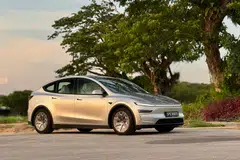
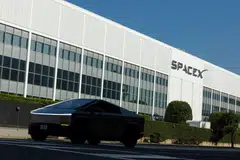

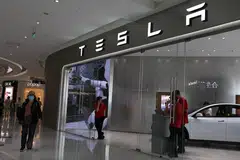
Tesla now offers only three models to retail customers, with the popular Model Y sport utility vehicle and Model 3 sedan accounting for all but a sliver of sales. Demand for the Cybertruck has been disappointing, and deliveries would be even further off the mark without SpaceX, which has bought thousands of the pickups since late last year.
Tesla stopped assembling Model S sedans and Model X SUVs in May, with Musk opting to convert space in the company’s Fremont, California, factory to produce Optimus robots.
While Tesla expects to start scaling its Semi and Cybercab models this year, the truck is aimed at commercial customers and the latter is only just beginning to undergo testing on public roads. BLOOMBERG
Decoding Asia newsletter: your guide to navigating Asia in a new global order. Sign up here to get Decoding Asia newsletter. Delivered to your inbox. Free.
Share with us your feedback on BT's products and services
TRENDING NOW

Once staunchly pro-China, Malaysian Chinese businesses are now distancing themselves from Beijing

Looking beyond looming CEO succession, should UOB potentially pursue a transformative merger?

Could stablecoins be the future of money?

Grab CEO’s wife Chloe Tong on life with Anthony Tan and finding her purpose

