

Thailand mulls first taxi fare hike since 2014 as costs surge
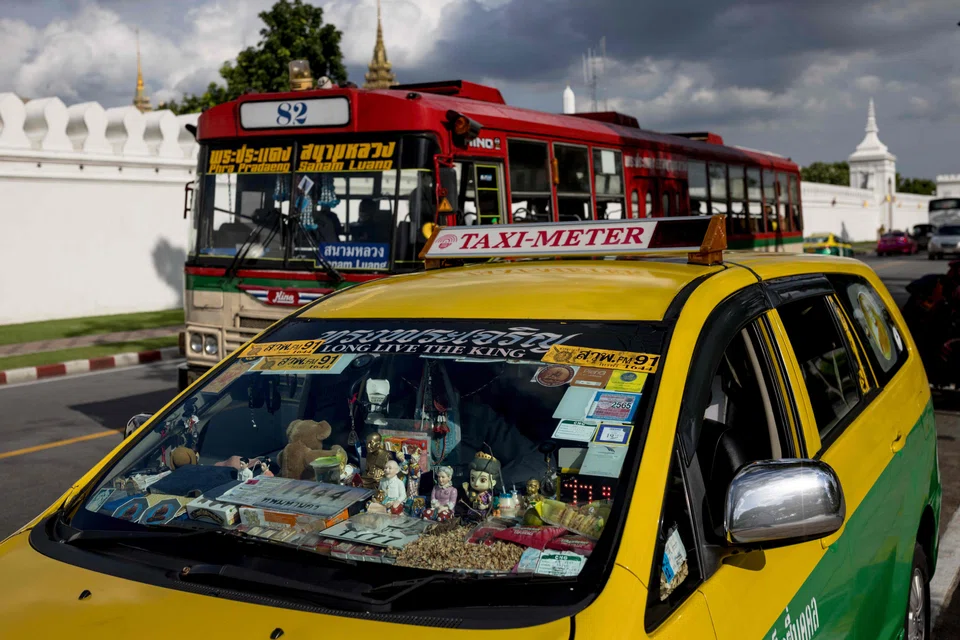
THAILAND may allow taxi operators in the capital Bangkok to increase fares for the first time in more than 8 years to help drivers cope with rising fuel and living costs as retail inflation hovers near a 14-year high.
About 25 per cent of taxi drivers in Bangkok have been squeezed out of business in recent years as the freeze in rates from 2014 meant their earnings lagged the 7 per cent gain in cost of living during the period, Sorapong Paitoonphong, Thailand’s deputy minister of transport, said in a statement on Thursday (Sep 1).
The ministry is now gathering feedback from different consumer groups to ensure that any fare increase does not adversely hit users, who are also battling a surge in expenses, Sorapong said. The ministry did not provide a time-frame for the hike.
As commuters now tend to hail rides for shorter distances and take fewer trips, cost per trip has spiked for the taxi drivers and cut their income, Sorapong said. This has slashed the number of meter-taxis that operate in Bangkok from 80,000 to 60,000 per day, he said.
Taxi drivers in the Thai capital, who were also hit hard by the absence of tourists during the pandemic, account for almost all of the nationwide fleet of 83,000 taxis, according to data from the Department of Land Transport.
The fare hike, if approved, will follow recent hikes on instant noodles, the first in 14 years, as well as minimum wage, which was frozen since January 2020. BLOOMBERG
Decoding Asia newsletter: your guide to navigating Asia in a new global order. Sign up here to get Decoding Asia newsletter. Delivered to your inbox. Free.
Share with us your feedback on BT's products and services
TRENDING NOW
Easy to rent out, hard to sell: Are buyers losing interest in Singapore’s one-bedroom condos?

GovTech retrenches another 38 staff in second round of layoffs

Stocks to watch: Seatrium, CapitaLand Investment, Keppel DC Reit, Suntec Reit, CLCT, TSH Resources

World’s largest offshore wind platform by Seatrium consortium on track to be completed by 2028

