Toyota suppliers start to see shortages due to Iran conflict
With little visibility into which components might suddenly become unavailable, parts makers are issuing cautious forecasts for the current fiscal year
[TOKYO] Supply chain disruptions stemming from the conflict in Iran are beginning to create chokepoints across Japan’s auto industry, including the network of companies surrounding Toyota Motor.
“We are hearing from smaller suppliers that suddenly say they will not be able to deliver parts in two weeks’ time, which makes things very hard to predict,” Koichi Ito, president of Toyota Industries, told reporters on Tuesday (Apr 28).
With little visibility into which components might suddenly become unavailable, parts makers are issuing cautious forecasts for the current fiscal year. They are grappling with rising raw-material costs, shortages of aluminium, resins and other basic supplies and ongoing logistical turmoil. In an industry where tens of thousands of components are needed to build a single vehicle, the absence of even one can halt production entirely.
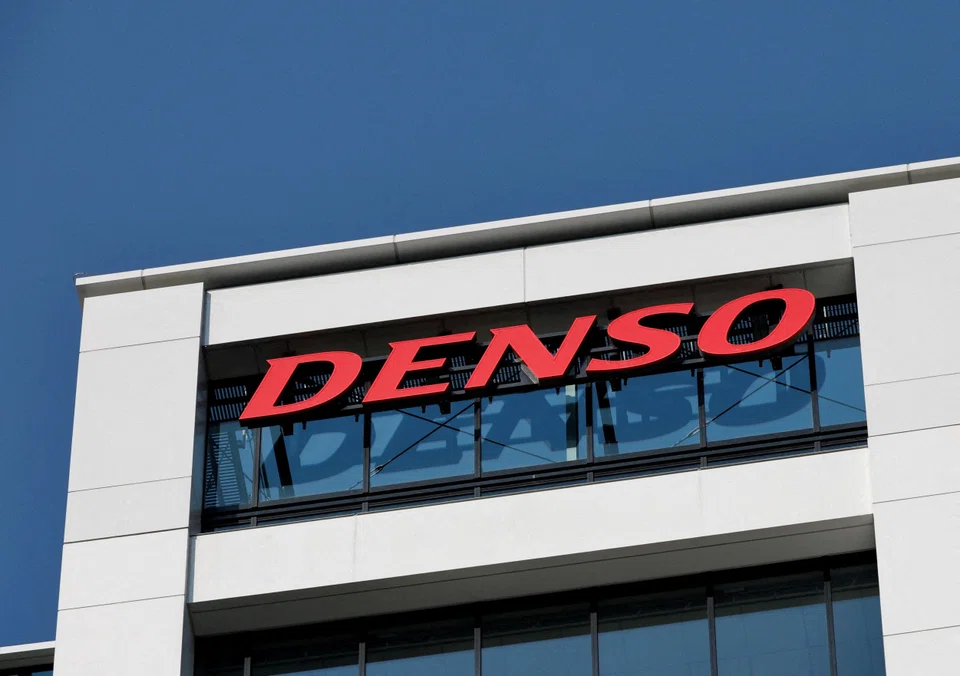
Toyota supplier Denso projected an operating profit of 500 billion yen (S$4 billion) for the fiscal year through March 2027, well below analysts’ 639 billion yen estimate. Toyoda Gosei’s 80 billion yen outlook was in line with expectations.
Katsumi Saito, president of Toyoda Gosei, warned that raw-material disruptions could emerge as early as June, pointing specifically to concerns over thinners used in automotive paint. Without them, he said, vehicles cannot be finished – and “the impact would be felt everywhere”.
Toyoda Gosei said that it has already factored in the risk of supply-chain instability into its earnings forecast, assuming production will fall by about 200,000 vehicles compared with customers’ annual plans.
Masayoshi Shirayanagi, president of Toyota Boshoku, which mainly produces car interiors, said: “Whether it’s door trims or the urethane inside seats, everything is derived from resins, which in turn come from naphtha.”
Because long-term supply commitments have become difficult to secure, Toyota Boshoku is now seeking short-term assurances from each supplier individually, Shirayanagi said.
Denso has factored in a profit hit of about 45 billion yen from the uncertainty, according to executive vice-president Yasushi Matsui. While naphtha-related shortages have not yet disrupted production, he added that “to be honest, we cannot see several months ahead”. The company is working to shift to alternative materials for products such as organic solvents.
SEE ALSO


Even before the earnings announcements, some analysts were expecting conservative outlooks. Bloomberg Intelligence Senior Analyst Tatsuo Yoshida wrote that Denso, Aisin, and Toyota Industries would likely issue cautious guidance, reflecting not only rising costs due to the Iran conflict but also the risk of weaker vehicle sales amid deteriorating economic sentiment. BLOOMBERG
Decoding Asia newsletter: your guide to navigating Asia in a new global order. Sign up here to get Decoding Asia newsletter. Delivered to your inbox. Free.
Share with us your feedback on BT's products and services