Trump may cancel US Postal Service electric mail truck contract: sources
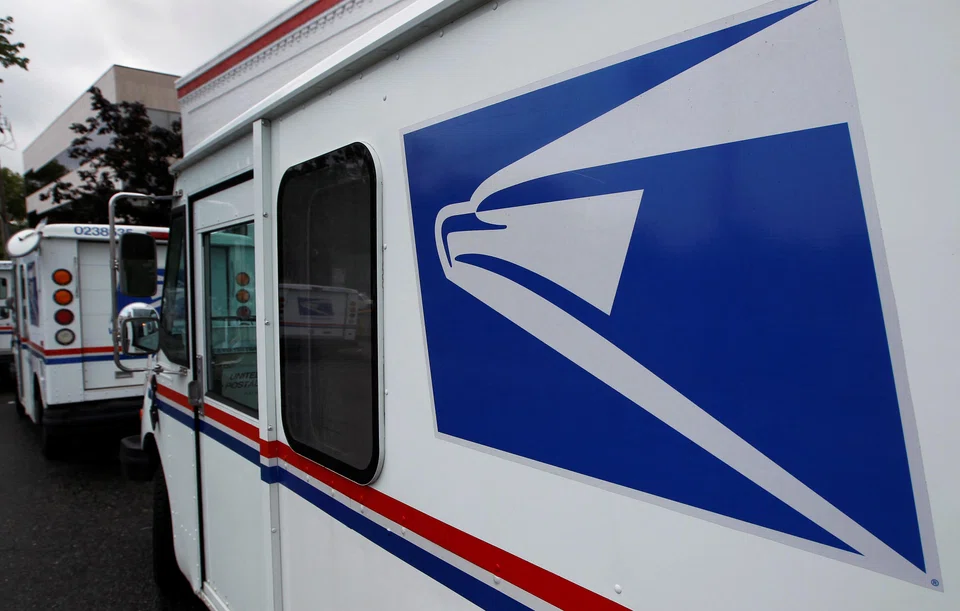
DONALD Trump’s transition team is considering cancelling the US Postal Service’s (USPS) contracts to electrify its delivery fleet, as part of a broader suite of executive orders targeting electric vehicles (EVs), according to three sources familiar with the plans.
The move, which could be unveiled in the early days of Trump’s administration that begins on Jan 20, is in line with Trump’s campaign promises to roll back President Joe Biden’s efforts to decarbonise US transportation to fight climate change – an agenda Trump has said is unnecessary and potentially damaging to the economy.
Reuters has previously reported that Trump is planning to kill a US$7,500 consumer tax credit for EV purchases, and plans to roll back Biden’s stricter fuel-efficiency standards.
The sources said that Trump’s transition team is now reviewing how it can unwind the postal service’s multi-billion dollar contracts, including with Oshkosh and Ford, for tens of thousands of battery-driven delivery trucks and charging stations.
Oshkosh shares fell by roughly 5 per cent to 105.65 per share after the Reuters report.
On Friday (Dec 6), Oshkosh said it has worked closely with USPS to design and deliver a modernised fleet with a flexible mix of electric and gas-powered vehicles that have received early, positive reviews from mail carriers.
“Oshkosh is fully committed to our strong partnership with the USPS and looks forward to continuing to provide our postal carriers with reliable, safe, and sustainable modern delivery vehicles, even as USPS’ needs continue to evolve,” the company said.
Ford did not respond to requests for comment.
In 2023, Congress gave USPS US$3 billion as part of a US$430 billion climate bill to buy EVs and charging infrastructure. It plans to buy some 66,000 EVs to build one of the largest EV fleets in the nation by 2028.


As part of that, Oshkosh is expected to deliver about 45,000 EVs, with the remaining coming from mainstream automakers such as Ford, according to the USPS. The initial batch of 14,000 chargers are being supplied by Siemens, ChargePoint and Blink, according to the USPS.
The USPS is an autonomous federal agency with its own governing board, making severing the contract legally challenging. But Trump’s stated policy aims are poised to test the boundaries of executive power on a range of issues, from trade to federal spending.
In a note published on Friday, analysts from the investment banking firm Jefferies said they don’t see a total cancellation as likely, but said the mix of vehicles could shift away from EVs and towards fuel-powered.
“Given the need for the replacement of ageing equipment, we are confident that the USPS will be receiving new vehicles in 2025. The mix of that order could potentially change to appease an administration that is more hostile to (EVs),” the analysts wrote.
The USPS did not respond to requests for comment.
Trump’s team did not comment directly on plans for the USPS contract.
“President Trump will protect the freedom of Americans to drive whichever vehicle they choose, enhance his tough tariffs on Chinese-imported cars, and save the US auto industry for generations to come. No policy should be deemed official unless it comes directly from President Trump,” Trump transition team spokesperson Karoline Leavitt said.
In 2021, Biden issued an executive order on EVs declaring that 50 per cent of all new passenger cars and light trucks would be zero-emission vehicles. To achieve that goal, Biden directed various federal agencies to undertake rules on new emission and fuel standards designed to speed adoption of EVs. REUTERS
Decoding Asia newsletter: your guide to navigating Asia in a new global order. Sign up here to get Decoding Asia newsletter. Delivered to your inbox. Free.
Share with us your feedback on BT's products and services