

UN warns of soaring prices in 2022 due to freight rate spike
Global import price and consumer price levels could rise 11% and 1.5%, respectively from now till 2023, it says
 Add BT as a preferred source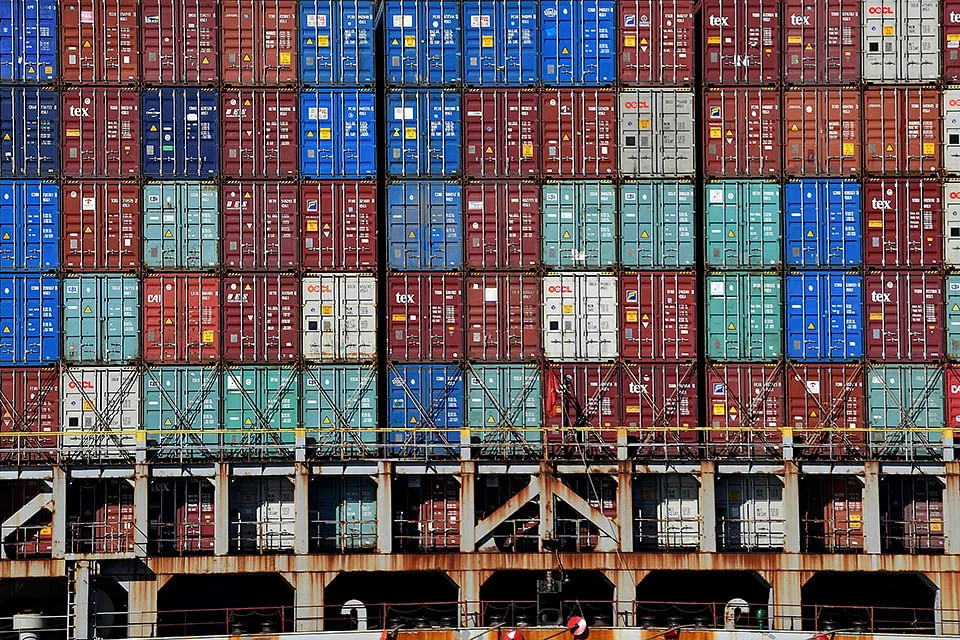
DeeperDive is a beta AI feature. Refer to full articles for the facts.
Geneva
THE United Nations (UN) warned on Thursday (Nov 18) that a surge in container freight rates could mean higher prices for consumers next year unless pandemic-fuelled problems are untangled.
The UN Conference on Trade and Development (Unctad) said global import price and consumer price levels could rise by 11 per cent and 1.5 per cent, respectively between now and 2023.
"Global consumer prices will rise significantly in the year ahead until shipping supply chain disruptions are unblocked and port constraints and terminal inefficiencies are tackled," Unctad said in its Review of Maritime Transport 2021 report.
Global supply chains faced unprecedented demand from the second half of 2020 onwards as consumers spent on goods rather than services during coronavirus lockdowns.
But the upswing in demand hit several practical constraints, including container-ship carrying capacity, container shortages, labour shortages, congestion at ports and Covid-19 restrictions. The mismatch led to record container freight rates "on practically all container trade routes", said the report.
Navigate Asia in
a new global order
Get the insights delivered to your inbox.
"The current surge in freight rates will have a profound impact on trade and undermine socioeconomic recovery, especially in developing countries, until maritime shipping operations return to normal," said Unctad's secretary-general Rebeca Grynspan.
"Returning to normal would entail investing in new solutions, including infrastructure, freight technology and digitalisation and trade facilitation measures," she said.
Unctad said the pandemic had magnified pre-existing industry challenges, particularly labour shortages and infrastructure gaps.
It also exposed vulnerabilities, such as when China's Yantian Port shut in May due to a coronavirus outbreak, causing significant delays, or when the giant container ship Ever Given blocked the Suez Canal in March, snarling global trade.
Still, the pandemic's impact on maritime trade volumes last year was less severe than initially expected, Unctad said. Maritime trade contracted by 3.8 per cent to 10.65 billion tonnes in 2020, and is projected to increase by 4.3 per cent in 2021.
Unctad said the medium-term outlook remained positive but was subject to "mounting risks and uncertainties".
The agency predicted that annual growth will slow to 2.4 per cent between 2022 and 2026, compared to 2.9 per cent over the past 2 decades.
"A lasting recovery . . . largely hinges on being able to mitigate the headwinds and on a worldwide vaccine roll-out," said Grynspan.
"The impacts of the Covid-19 crisis will hit small island developing states (SIDS) and least developed countries (LDCs) the hardest." The rise in consumer prices is expected to be 7.5 per cent in SIDS and 2.2 per cent in LDCs.
Contending with lockdowns, border closures and a lack of international flights, hundreds of thousands of seafarers have been stranded at sea, unable to be repatriated or replaced, Unctad said.
The UN agency urged governments and industry to work together to end the crew change crisis in the sector, which employs more than 1.9 million people worldwide.
Unctad also said the vaccination rate of seafarers was around 41 per cent and called for them to be jabbed as a priority. "This is not acceptable if we want to see the supply chains moving again," said Shamika Sirimanne, Unctad's director of technology and logistics.
While bottlenecks have hindered the economic recovery, the pandemic could trigger far-reaching transformations in maritime transport, Unctad predicted. The crisis has activated digitalisation and automation, which should, in turn, deliver efficiency and cost savings.
Meanwhile, e-commerce - accelerated by the pandemic - has changed consumer shopping habits and spending patterns, said the report. "This could generate new business opportunities for shipping and ports." AFP
Decoding Asia newsletter: your guide to navigating Asia in a new global order. Sign up here to get Decoding Asia newsletter. Delivered to your inbox. Free.
Share with us your feedback on BT's products and services
TRENDING NOW

From 1MDB to ‘corporate mafia’: Is Malaysia facing a new governance test?

Higher costs, lower returns: Why are Singaporeans still betting on real estate?
South-east Asian markets account for 8.8% of global capital inflows from 2021 to 2024: report

Richard Eu on how core values, customers keep Singapore’s TCM chain Eu Yan Sang relevant

