Uncertainty arises over Red Sea diversions, surcharges after Maersk’s U-turn

Tay Peck Gek
UNCERTAINTY reigns over whether or not there will eventually be diversions from the Red Sea, and surcharges for the rerouting dropped if carriers proceed to use the usual and shorter route.
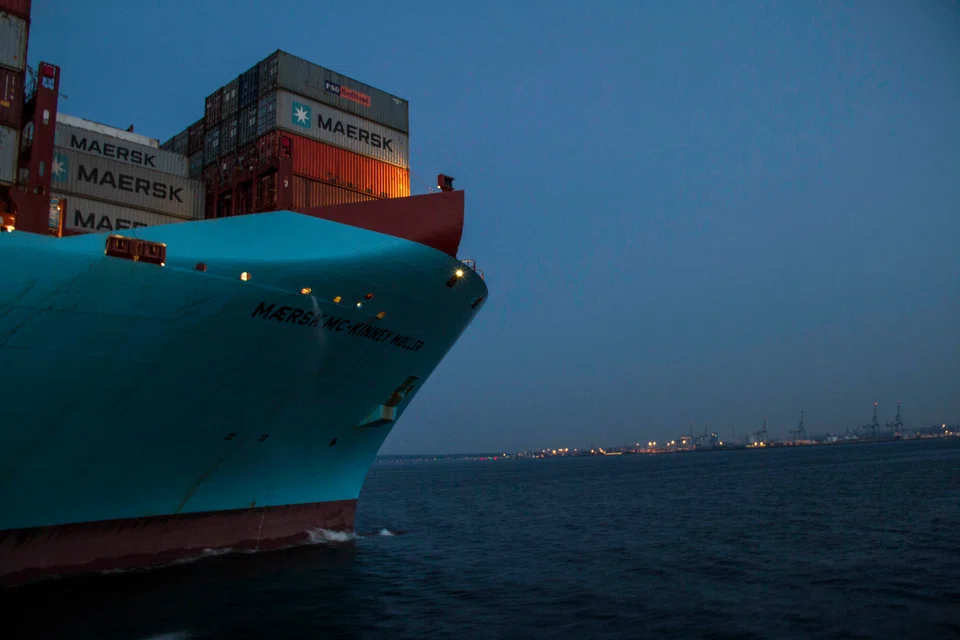
Such uncertainty arose as Maersk announced on Christmas Eve that it was preparing to allow eastbound and westbound vessels to resume transit through the Red Sea, as it is looking forward to protection from the multinational security initiative Operation Prosperity Guardian.
The world’s second-largest container shipping line said in the Dec 24 client advisory: “We are currently working on plans for the first vessels to make the transit and for this to happen as soon as operationally possible.”
However, Maersk also flagged that the overall risk in the area is “not eliminated” in spite of the security measures, and that it would not hesitate to re-evaluate the situation and initiate diversion plans if necessary.
Carrier Hapag-Lloyd told The Business Times on Tuesday (Dec 26) that it would decide on Wednesday whether to sail through the Red Sea.
“Currently, we still go around the Cape with 100 per cent of services which were originally designed to pass the Red Sea,” said Nils Haupt, senior director for corporate communications at the world’s fifth-largest container ship company.
Hapag-Lloyd last week decided to take the detour around the Cape of Good Hope, with the re-routing to be made after pausing transit through the Red Sea when one of its vessels was attacked there on Dec 15.
Lars Jensen, a shipping analyst, noted that Maersk and CMA CGM are the only major carriers that have now proceeded to use the Red Sea. However, not all vessels from these two carriers are transiting through the shorter route as at least one of the ships from CMA CGM is already on the way to the Africa passage.
“For planning purposes, shippers therefore still need to keep a close eye on the individual vessels to be able to plan their arrival contingencies,” Jensen said.
The chief executive of Vespucci Maritime had said at a webinar last week that naval presence is not foolproof against missile attacks, unlike against piracy that would be deterred.
“But no missile technology is 100 per cent foolproof. So are you going to risk the life and limb of your seafarers and a billion dollars worth of cargo on board the ship, in the hope that they will shoot down all of those missiles?”
The Houthis had warned they would strike US warships if the Iranian-backed militia was targeted by Washington, after a multinational force had been set up to counter Houthi attacks on commercial vessels in the Red Sea.
The Houthis, who control vast amounts of territory in Yemen after years of war, have since last month launched drones and missiles at international vessels sailing through the Red Sea, attacks they said respond to Israel’s assault on the Gaza Strip.
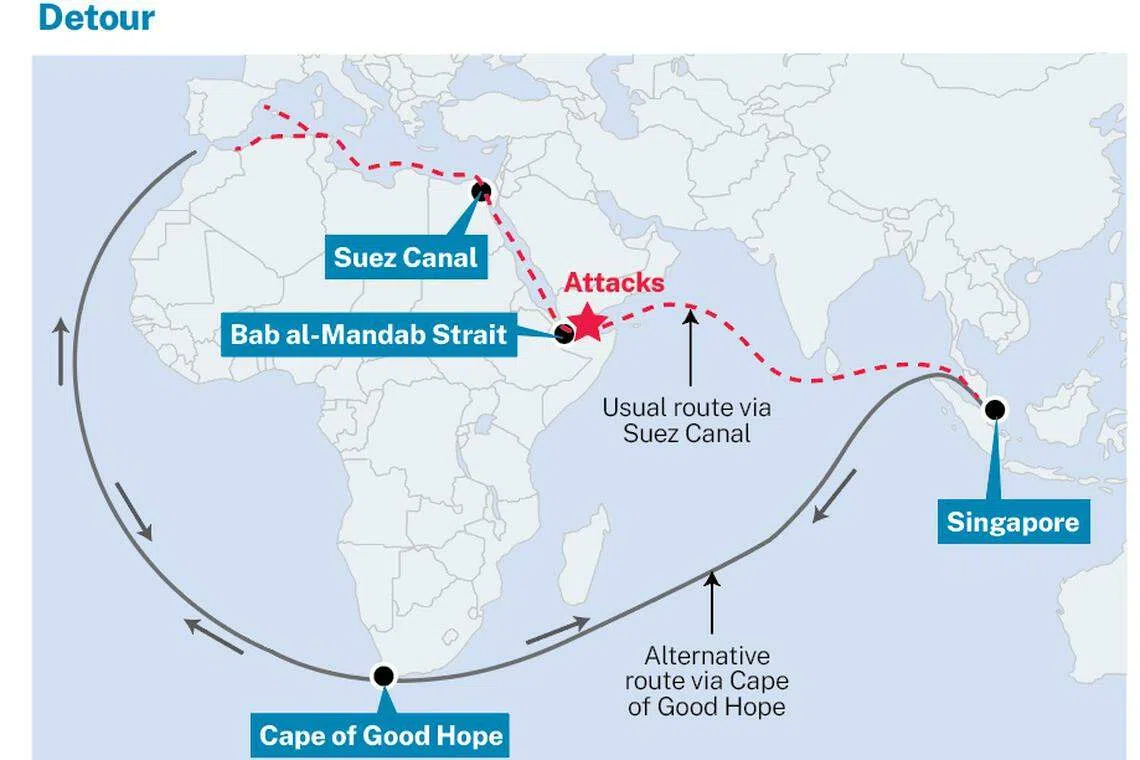
Meanwhile, Jensen asked in a Dec 25 LinkedIn post whether the surcharges announced earlier by carriers for re-routing vessels around the Cape of Good Hope to avoid the Red Sea would be dropped, now that they are not taking the detour.
The Loadstar had reported that shippers are accusing Asia-North Europe carriers of “price gouging”, with rates for freight of all kinds being quoted for January shipment skyrocketing after major shipping lines earlier announced the detour around Africa.
Drewry’s World Container Index increased by 9 per cent to US$1,661 per 40-foot container over the the week to Dec 21, having rebounded for weeks since Nov 30 after the Houthis started attacking merchant ships in the Red Sea.