

United Air cuts growth plans as flight disruptions persist
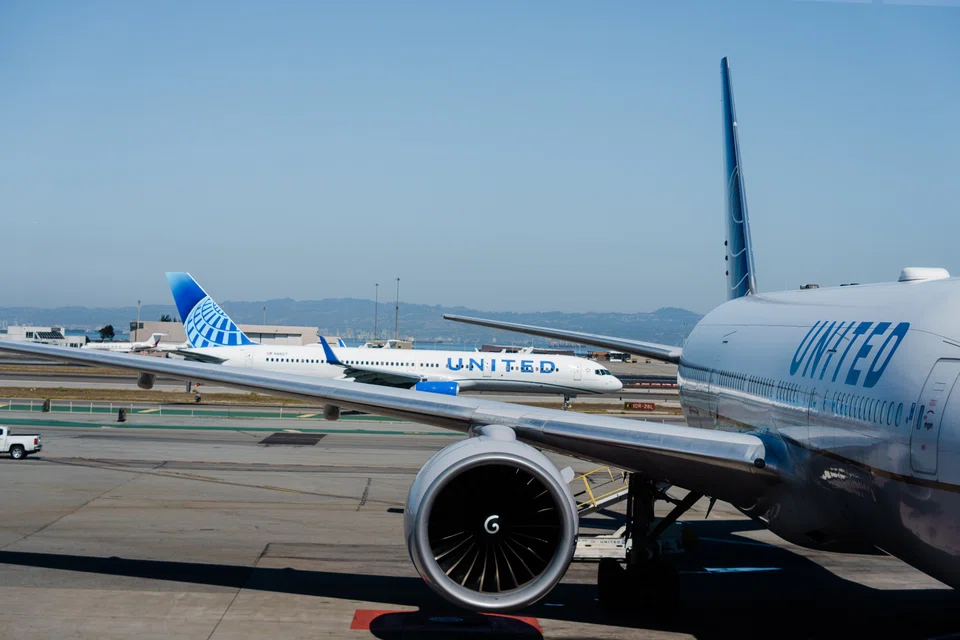
UNITED Airlines Holdings is limiting flying for the rest of this year and curtailing growth plans in 2023 to try to get a handle on flight disruptions that have roiled the industry, even as it continues to expect profits amid robust travel demand.
The carrier revealed the latest capacity outlook on Wednesday (Jul20) as it reported earnings that fell short of Wall Street’s expectations. That dragged down shares across the industry and tarnished results from United’s first profitable quarter in more than 2 years.
United tumbled as much as 7.1 per cent in pre-market trading on Thursday. Competitor Delta Air Lines slid 3.3 per cent, and American Airlines Group declined as much as 2.6 per cent.
Flight delays and cancellations have battered the US industry this year as consumers starved for travel during the pandemic have forked over higher fares and crammed onto aircraft. The disruptions, fuelled in part by labour shortages and air traffic control issues, have boosted costs as carriers seek to recover from 2 years of losses. Now concerns are rising that inflation could quash demand.
“Industrywide operational challenges that limit the system’s capacity, record fuel prices and the increasing possibility of a global recession are each real challenges,” chief executive officer Scott Kirby said in a statement. “These fundamental challenges have already led to higher costs, higher fuel prices, but also higher revenue.”
Flying capacity this year will be 13 per cent below pre-pandemic levels, the Chicago-based carrier said in a regulatory filing. Capacity in 2023 will be no more than 8 per cent higher than 2019, far short of the 20 per cent jump United had previously planned. The reductions will not change the airline’s expectations for continued profit — including for the full year — as it sees solid pricing and even stronger demand extending into this quarter.
United’s adjusted profit was US$1.43 a share, ending a string of 9 consecutive quarterly losses but still falling short of the US$1.88 average of analysts’ estimates compiled by Bloomberg. The difference was largely caused by jet fuel prices that surged after the Russian invasion of Ukraine in February. Record revenue of US$12.1 billion narrowly topped expectations.
Non-fuel costs for each seat flown a mile rose 17 per cent above 2019 levels in the second quarter, and will rise as much as 17 per cent again this quarter. The measure is a gauge of operating efficiency for carriers. Revenue on a seat-mile basis rose 24 per ent from 3 years ago, and United sees about the same improvement in the third quarter.
“While the company anticipates the economy will slow in the near to medium term, the continuing pandemic recovery is more than offsetting economic headwinds — leading to expected revenue and earnings acceleration in the third quarter,” United said in the statement.

A group of 11 US carriers should report record quarterly revenue of US$53.3 billion and combined pretax income of US$4.2 billion for the 3 months ended Jun 30, said Deutsche Bank analyst Michael Linenberg. BLOOMBERG
Decoding Asia newsletter: your guide to navigating Asia in a new global order. Sign up here to get Decoding Asia newsletter. Delivered to your inbox. Free.
Share with us your feedback on BT's products and services
TRENDING NOW

One-third of Singapore-listed firms at risk in severe AI downturn: MAS

‘We don’t want to stay as we are’: CEO Patrick Ng builds a more resilient Huationg

He built the Vingroup empire. Now South-east Asia’s richest man is handing some key roles to his sons

Radiant World table shows six lenders with US$870 million exposure

