

United Airlines warns of nearly US$6 billion fuel hit as oil-price surge weighs on outlook
It priced Q2 adjusted earnings of US$1.99 per share, topping analysts’ estimate of US$1.88
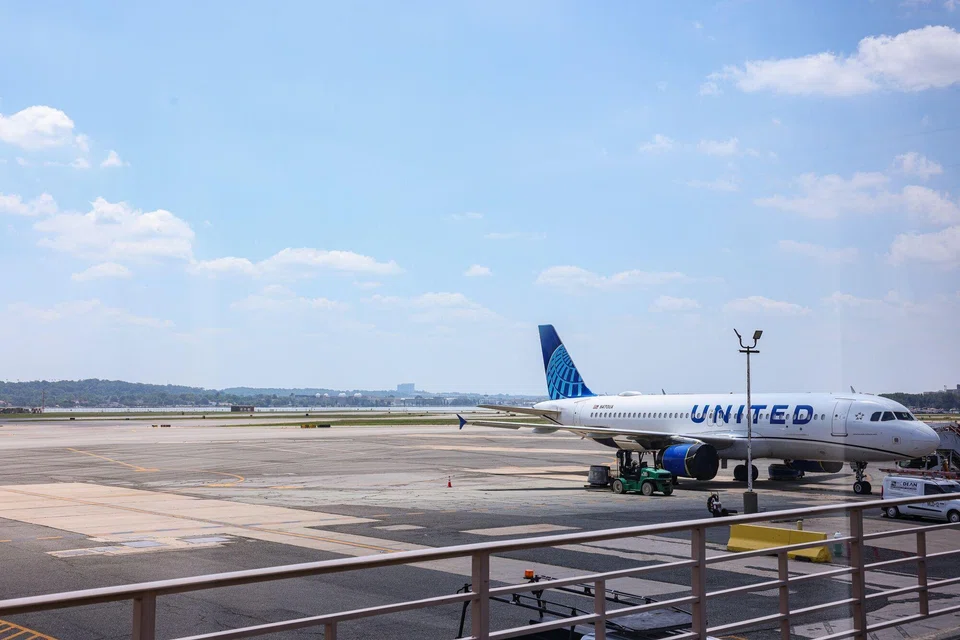
[CHICAGO] United Airlines said on Wednesday (Jul 15) it expected nearly US$6 billion in additional fuel expense this year compared with what it estimated at the start of 2026, as a renewed surge in oil prices weighed on its third-quarter and full-year profit outlooks.
Still, the Chicago-based carrier raised the low end of its full-year profit forecast, betting strong travel demand, higher fares and capacity cuts will help it absorb the fuel shock. It now expects 2026 adjusted earnings of US$9 to US$11 per share, compared with its April forecast of US$7 to US$11.
The midpoint of the new range, at US$10, compares with analysts’ average estimate of US$10.46 per share, according to LSEG. Shares of United were down about 2 per cent in extended trading.
For the third quarter, United forecast adjusted earnings of US$2.50 to US$3.50 per share and an average fuel price of US$3.69 per gallon. The US$3 midpoint compares with analysts’ average estimate of US$3.60 a share, according to LSEG.
The airline said the increase in fuel prices since the beginning of July alone had added US$575 million to its expected third-quarter costs, equivalent to US$1.12 per share in adjusted earnings.
Amid the volatility, United said it would start basing its earnings guidance on the most current fuel prices. Its third-quarter forecast is based on the Gulf Coast jet fuel forward curve as of Jul 14. United said it would exceed the high end of both its third-quarter and full-year earnings forecasts if fuel prices returned to early July levels.
United also reported second-quarter adjusted earnings of US$1.99 per share, topping analysts’ estimate of US$1.88, as revenue rose 16 per cent to US$17.7 billion.
Pricing power offsets fuel hit
Major US airlines have raised fares sharply during this year’s fuel shock, testing whether they can pass higher costs on to travellers without weakening demand. United‘s second-quarter fuel expense rose US$2.3 billion, or 84 per cent, from a year earlier.


It recovered about 50 per cent of the increase in fuel costs during the second quarter and expects to recover 80 per cent to 90 per cent of the current increase in the third quarter and fully offset the increase by the fourth quarter.
Revenue trends remain strong, United said, and it expects total revenue per available seat mile, a key measure of pricing power, to grow faster year-on-year in both the third and fourth quarters than the 12.1 per cent increase posted in the second quarter.
The company said oil prices had risen about 15 per cent since the start of July following renewed hostilities between the US and Iran. The renewed fuel surge highlights the continuing risk to airline earnings even after carriers successfully pushed through a series of fare increases during the earlier shock.
United expects fourth-quarter capacity to be lower than currently published schedules and said it was prepared to further moderate near-term flying if fuel prices remain elevated.
Demand remained strong across the business. Premium revenue rose 16 per cent in the second quarter, basic economy and loyalty revenue each increased 11 per cent, cargo revenue rose 23 per cent and contracted business revenue rose 27 per cent.
United also raised US$3.7 billion in new liquidity through private bank transactions. It described the financing as insurance against geopolitical uncertainty and the possibility of an extreme spike in oil prices.
The company will discuss its financial results in a call with analysts and investors on Thursday morning. REUTERS
Decoding Asia newsletter: your guide to navigating Asia in a new global order. Sign up here to get Decoding Asia newsletter. Delivered to your inbox. Free.
Share with us your feedback on BT's products and services
TRENDING NOW

LTA proposes combining car COE categories, adding rebate-surcharge system

StarHub to acquire MyRepublic’s mobile business amid ongoing telco consolidation

DBS, OCBC, UOB rout lops billions off STI as inflation, rate concerns spook investors

Grab CEO’s wife Chloe Tong on life with Anthony Tan and finding her purpose

