

US mulls cutting passenger screening at small airports: report
 Add BT as a preferred source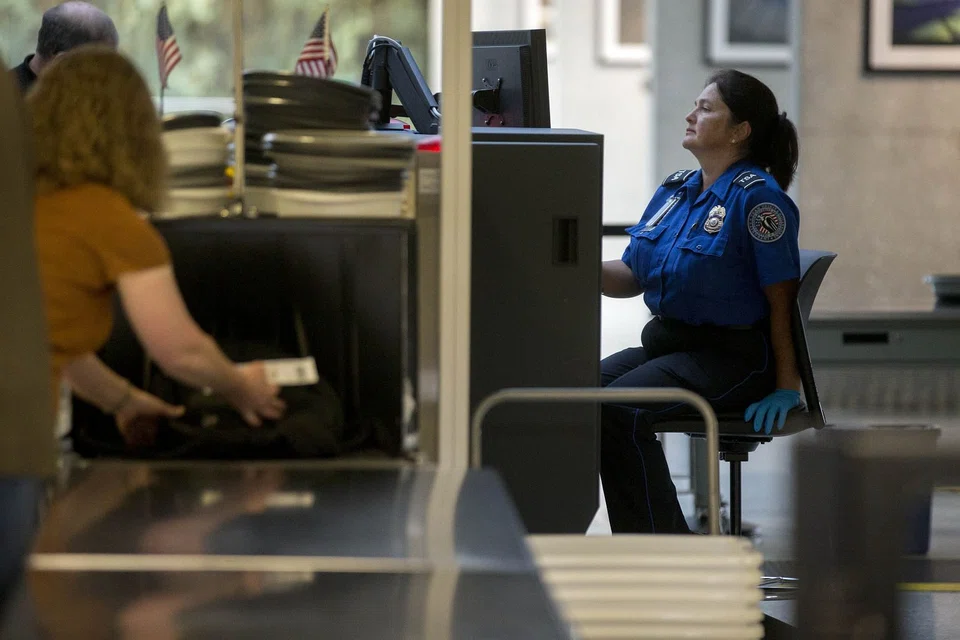
[WASHINGTON] US authorities are considering eliminating passenger screening at small and mid-size airports across the country, a report said Wednesday, creating concern among terrorism experts.
The Transportation Security Administration (TSA), which was created in the aftermath of the September 11, 2001 attacks, is looking at a proposal to cut screening at more than 150 airports serving aircraft with 60 seats or fewer, according to agency officials and documents cited by CNN.
Travelers and luggage would instead be screened when their flights connect to higher-volume airports.
In a statement reacting to the report, TSA's assistant administrator for public affairs, Michael Bilello, said "there has been no decision to eliminate passenger screening at any federalized US airport," but did not say the issue was not under consideration.
"Every year as part of the federal budget process TSA is asked to discuss potential operational efficiencies - this year is no different," the statement said.
"Any potential operational changes to better allocate limited taxpayer resources are simply part of predecisional discussions and deliberations and would not take place without a risk assessment to ensure the security of the aviation system."
Internal memos reported by CNN suggest the move could save US$115 million annually which could be used to boost security at bigger airports, where risks are deemed to be much greater.
But it would also carry a "small (non-zero) undesirable increase in risk related to additional adversary opportunity," a document said.
CNN's terrorism analyst Paul Cruikshank said militant groups like Al-Qaeda and the Islamic State group "still regard aviation as a priority target - that includes aircraft where you have fewer than 60 people on board."
The network also cited TSA officials who asked to remain anonymous as expressing serious concern.
The move would mark a reversal of a trend toward enhanced security measures since the TSA's inception in 2001.
In April the agency announced travelers would be asked to remove material from their bags that made it hard to read X-rays, including food items.
Last year, the US banned laptops and larger electronics from cabins on flights from certain Middle East hubs.
AFP
Share with us your feedback on BT's products and services
TRENDING NOW

ComfortDelGro’s Zig to buy S$10 million worth of BYD cars for private-hire fleet

From sales executive to DBS chairman: A look at banking veteran Peter Seah’s career
Japan Home licenses Singapore retail stores to Valu$ owner Radha Exports

Japan Home closing outlets; staff say Valu$ taking over operations

