

US railroads, unions reach tentative pact on eve of deadline
 Add BT as a preferred source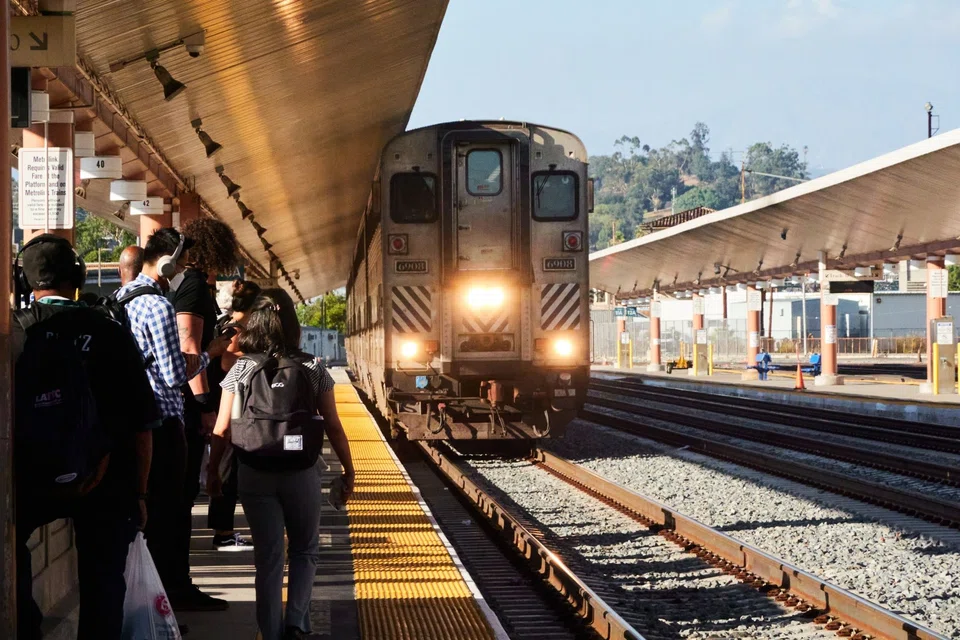
DeeperDive is a beta AI feature. Refer to full articles for the facts.
US railroads and unions representing more than 100,000 workers reached a tentative deal, the government said, a breakthrough that looks to avert a labour disruption that risked adding supply chain strains to the world’s largest economy.
After 20 straight hours of talks, the companies and union negotiators reached a tentative agreement balancing the needs of workers, businesses and the economy, according to a Labor Department statement early on Thursday (Sep 15).
It was a “hard-fought, mutually beneficial deal”, the statement said. “Our rail system is integral to our supply chain, and a disruption would have had catastrophic impacts on industries, travellers and families across the country.”
The deal extends the so-called cooling off period, during which the 2 sides have been negotiating, until union members can ratify it, an administration official said.
Aside from the disruption to key freight from corn to cars, the prospect of a strike put US President Joe Biden in a political bind: push explicitly for a deal and risk undermining his pro-union campaign promises, or side with labour during a strike and risk getting blamed for hurting an economy beset with soaring inflation and supply chain snarls.
“These rail workers will get better pay, improved working conditions and peace of mind around their health care costs: all hard-earned,” Biden said in a statement.
Navigate Asia in
a new global order
Get the insights delivered to your inbox.
The tentative resolution was announced a day before a Friday deadline that could have seen rail workers walk off the job or be locked out by the companies, freezing critical infrastructure that transports about 40 per cent of all long-haul cargo in the US and threatening a fresh wave of supply chain chaos.
The breakthrough to cap day-and-night negotiations came after a Biden-appointed board last month issued a set of recommendations to resolve the dispute, including wage increases and better health coverage.
That proposal did not include terms on scheduling, attendance and other issues important to 2 major unions that held out of a deal accepted by others: affiliates of the Teamsters union and of the International Association of Sheet Metal, Air, Rail and Transportation Workers. BLOOMBERG
Decoding Asia newsletter: your guide to navigating Asia in a new global order. Sign up here to get Decoding Asia newsletter. Delivered to your inbox. Free.
Share with us your feedback on BT's products and services
TRENDING NOW

From 1MDB to ‘corporate mafia’: Is Malaysia facing a new governance test?

Higher costs, lower returns: Why are Singaporeans still betting on real estate?
South-east Asian markets account for 8.8% of global capital inflows from 2021 to 2024: report

Richard Eu on how core values, customers keep Singapore’s TCM chain Eu Yan Sang relevant

