

Vietnamese Tesla challenger to stop making gas-powered cars soon
 Add BT as a preferred source
VIETNAMESE electric vehicle maker VinFast said it will stop making gas-powered autos by the end of August 2022, 4 months earlier than previously planned as it ramps up global sales of electric SUVs and targets to open a plant in the US.
The company has stopped selling gas-powered autos after the last batch of Lux and Fadil autos were ordered by customers, according to an emailed statement from Vingroup JSC, VinFast’s parent.
From now until the end of August, VinFast will focus on production to fulfill prior bookings, and simultaneously switch to become a full EV business, according to the statement.
The carmaker, backed by Vietnam’s richest man Pham Nhat Vuong, opened six showrooms in California on Thursday as the newcomer tries to muscle into a US market dominated by Tesla.
The showrooms are VinFast’s first outside of Vietnam, with plans to eventually open more than 30 in the state and elsewhere to sell directly to American consumers.
VinFast, founded by the billionaire in 2017, started making gas-powered cars in 2019. The company, which says it has about 73,000 reservations for its EVs globally, has a factory in Hai Phong in northern Vietnam and is the country’s only homegrown carmaker. It sold more than 65,000 gas-powered cars in 2020 and 2021.
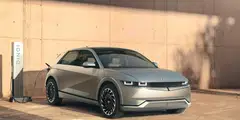

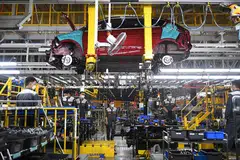
VinFast said this week it has signed agreements with banks to raise at least US$4 billion to help its US expansion. The company also said it secured about US$1.2 billion in incentives from North Carolina for its planned EV factory in the state, where it intends to start production in 2024. BLOOMBERG
Decoding Asia newsletter: your guide to navigating Asia in a new global order. Sign up here to get Decoding Asia newsletter. Delivered to your inbox. Free.
Share with us your feedback on BT's products and services
TRENDING NOW
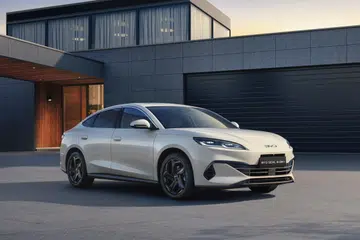
ComfortDelGro’s Zig to buy S$10 million worth of BYD cars for private-hire fleet

Singapore telco price war squeezes earnings, strengthens case for StarHub-M1 deal, say analysts
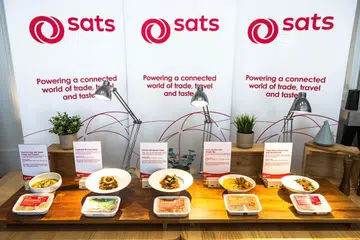
Sats slides 13.6% as investors dump shares on profit-margin squeeze

When every phone becomes a satellite phone, what happens to Asia’s telcos?

