

Virgin Australia to cull a third of its Boeing 737 fleet under Bain ownership
 Add BT as a preferred source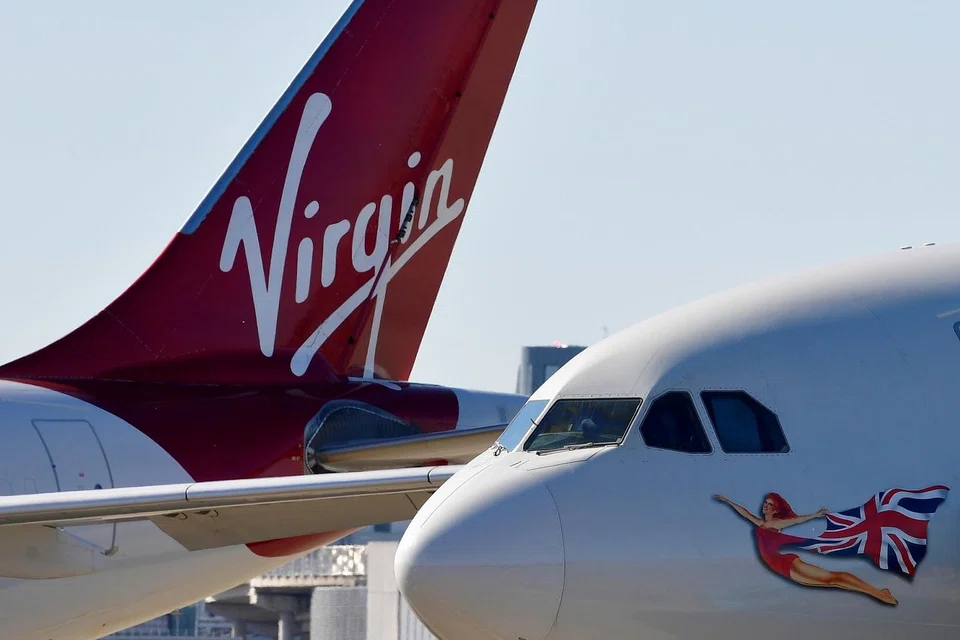
DeeperDive is a beta AI feature. Refer to full articles for the facts.
[SYDNEY] Virgin Australia Holdings said on Wednesday it is returning a third of its fleet of Boeing 737 planes to lessors and financiers as part of a turnaround plan under new owner Bain Capital.
It has renegotiated financing terms for 56 of the 85 737s it held before it entered voluntary administration in April, a Virgin spokesperson said, with the others to exit its fleet.
"Once demand returns, it remains our goal to grow our fleet to 75 Boeing 737 aircraft," the spokesperson said.
Creditors last week voted in favour of the purchase by US private equity group Bain, paving the way for a strategic overhaul of Australia's second-biggest airline.
Under Bain's business plan, Virgin plans to cut a third of its workforce and ditch its widebody planes to focus on being a domestic and short-haul international 737 operator competing against Qantas Airways.
Virgin chief executive Paul Scurrah said last week the airline expected to lose domestic share to Qantas as it exited unprofitable routes. It has also closed low-cost arm Tigerair Australia.
Navigate Asia in
a new global order
Get the insights delivered to your inbox.
Qantas said last month it expected its domestic market share could rise to 70 per cent from its pre-pandemic level of 60 per cent as the market recovers because Virgin is reducing the size of its fleet.
Both airlines are operating skeleton domestic schedules at present due to Australian state border restrictions put in place to limit the spread of the coronavirus pandemic.
REUTERS
Decoding Asia newsletter: your guide to navigating Asia in a new global order. Sign up here to get Decoding Asia newsletter. Delivered to your inbox. Free.
Share with us your feedback on BT's products and services
TRENDING NOW
Why where you park your joint venture matters: Lessons from a US$689 million shareholder dispute

Richard Eu on how core values, customers keep Singapore’s TCM chain Eu Yan Sang relevant

A new logic of China-Asean economic integration emerges from the Middle East conflict

From 1MDB to ‘corporate mafia’: Is Malaysia facing a new governance test?

