Volkswagen squares off with union over German plant closures
This comes as the company contends with rising costs and waning sales, as Chinese car manufacturers push into Europe
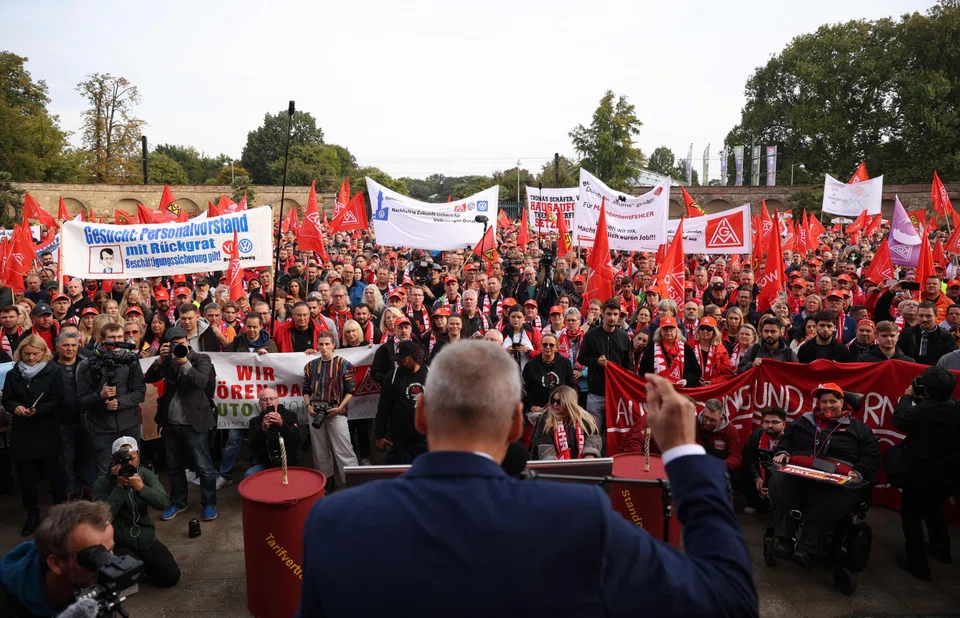
VOLKSWAGEN and unions start negotiations over wide-ranging cost cuts on Wednesday (Sep 25), with tensions between both sides higher than they have been in years.
The talks centre on the carmaker’s plan to potentially shutter factories in Germany for the first time, after scrapping decades-old job protections earlier this month.
Metalworkers’ union IG Metall has vowed to fight those plans, threatening strikes that could paralyse Europe’s biggest car manufacturer for weeks.
“There will be no talks about factory closures and mass layoffs with us,” said Thorsten Groger, the union’s lead negotiator.
He added that “tens of thousands of colleagues will force the company back on the right track”, if it stuck to its cutback plans.
The dispute is a major test for chief executive officer Oliver Blume, after union clashes felled a number of his predecessors.
The CEO has warned that costs in Germany are too high, as sales wane and Chinese manufacturers push into Europe. The company has also lost momentum in the key Asian market, where homegrown brands dominate the electric-vehicle (EV) segment.
Blume’s main target is Volkswagen’s underperforming namesake passenger car brand, with tighter profit margins amid a sputtering transition to EVs and a consumer spending slowdown.
The company could force through decisions on plant closures this year, paving the way for more than 15,000 job cuts, analysts at Jefferies said.

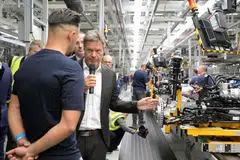
The carmaker is eyeing closing two to three facilities, with as many as five German sites under consideration, they added.
Earlier this month, it got a taste of the wrath triggered by its cutback plans, with thousands of workers shouting down managers at the Wolfsburg factory – Europe’s largest. Executives lamented flagging sales that have left it with too many plants.
Job cuts at the carmaker are harder to push through than elsewhere. Half the seats on its supervisory board are held by labour representatives, and the German state of Lower Saxony – which owns a 20 per cent stake –– often sides with trade unions.
The first round of talks will take place in Hanover, with union members expected to protest outside the venue. BLOOMBERG
Decoding Asia newsletter: your guide to navigating Asia in a new global order. Sign up here to get Decoding Asia newsletter. Delivered to your inbox. Free.
Share with us your feedback on BT's products and services