

VW cuts dividend after 2.4-billion-euro loss
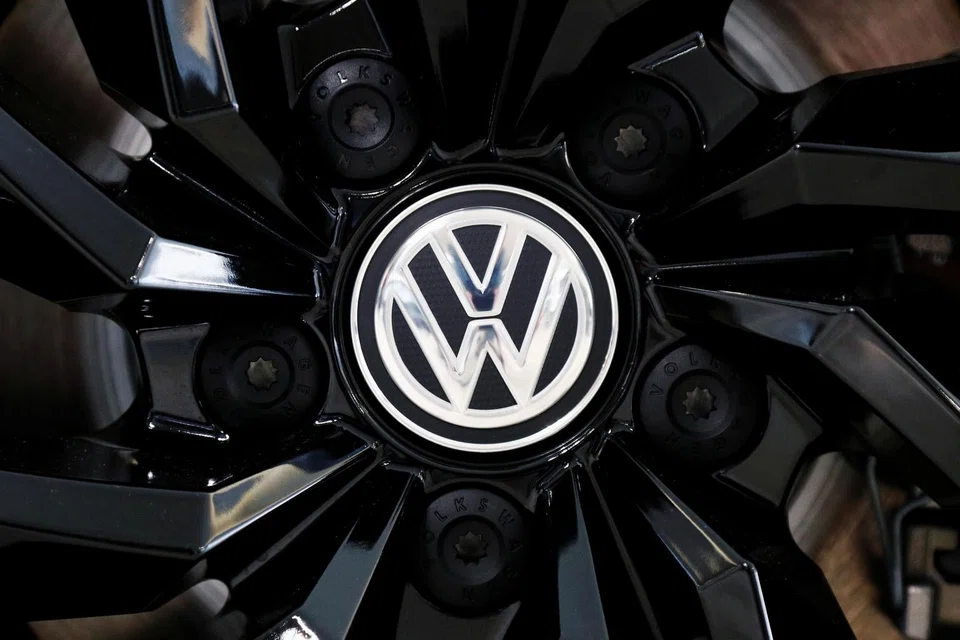
[WOLFSBURG] Volkswagen cut its proposed dividend after losing 2.4 billion euros (S$3.8 billion) in the second quarter, when the Covid-19 pandemic shuttered showrooms and factories in key markets.
The German manufacturer lowered the payout to 4.86 euros per preferred share, from 6.56 euros previously, after global deliveries slumped by more than a quarter in the six months through June, it said Thursday. VW expects markets to recover in the second half after business in July improved from the previous month.
"The first half of 2020 was one of the most challenging in the history of our company due to the Covid-19 pandemic," VW chief financial officer Frank Witter said. VW's shares fell the most in seven weeks.
The results show the dramatic impact of the industry's steepest slump since World War II. Europe's largest automaker cut its full-year outlook in April, echoing peers and parts suppliers that trimmed expectations after the pandemic spilled from China to Europe and North America.
While profits largely tanked during the health crisis, including a record US$8.6 billion loss at Renault SA, rivals including Daimler AG, General Motors and PSA Group managed to weather the downturn better than feared.
Restoring operations to pre-crisis levels is critical for Volkswagen after it rolled out a fresh iteration of the important Golf hatchback and plans to start delivering the all-electric sibling ID.3 to customers in September. Success of the ID.3 is vital to comply with stricter emission rules in Europe and catch up with Tesla, which in recent weeks zoomed past traditional manufacturers to become the world's most valuable automaker.
The dividend cut is designed to conserve cash after VW burned through 2.3 billion euros in the second quarter, the period worst hit by the pandemic.
Revenue slumped by more than a third to 41.1 billion euros in the three months through June, roughly in line with analyst estimates compiled by Bloomberg. The group swung to a 2.39 billion euro loss in the second quarter, from a 5.13 billion profit a year earlier.
VW fell as much as 5.4 per cent in early Frankfurt trading, the steepest intraday drop since June 11.
Its results still look less worrisome than those of French peer Renault, which on Thursday said it lost 7.3 billion euros in the first half as it grappled with the downturn and increasingly dismal results from partner Nissan Motor.
VW stuck to its lowered forecast from April that sees global deliveries, revenue and operating profit falling "severely" this year, but the manufacturer still expects to make a profit on a full-year basis.
That's largely because markets have started to recover, with July deliveries down by less than 10 per cent after buyers returned to showrooms in several countries, the company said.
The company's Porsche brand proved relatively resilient in the first half, recording an operating profit thanks to deliveries that declined just 15 per cent.
VW's Audi swung to an operating loss after sales plummeted. The premium-car division embarked on a deep restructuring last year to revive squeezed margins at what used to be the group's biggest profit contributor. Its new chief Markus Duesmann this month pledged to seize the virus-related slump to make the carmaker more nimble.
While Volkswagen aims to more than double its market capitalisation to 200 billion euros, it's currently worth about 70 billion euros after its shares fell by more than a fifth since the beginning of the year.
BLOOMBERG
Decoding Asia newsletter: your guide to navigating Asia in a new global order. Sign up here to get Decoding Asia newsletter. Delivered to your inbox. Free.
Share with us your feedback on BT's products and services
TRENDING NOW
Despite the de-dollarisation debate, demand for dollar liquidity in Asia is growing

URA to review guidelines on floor space to give developers more design flexibility: Chee Hong Tat

He built the Vingroup empire. Now South-east Asia’s richest man is handing some key roles to his sons
Can a first-time homebuyer couple earning S$18,000 a month afford a new EC unit?

