Waymo to start Tokyo robotaxi service next year in Asia push
Japan currently requires a human being to be in the driver’s seat, regardless of the vehicle’s level of autonomy
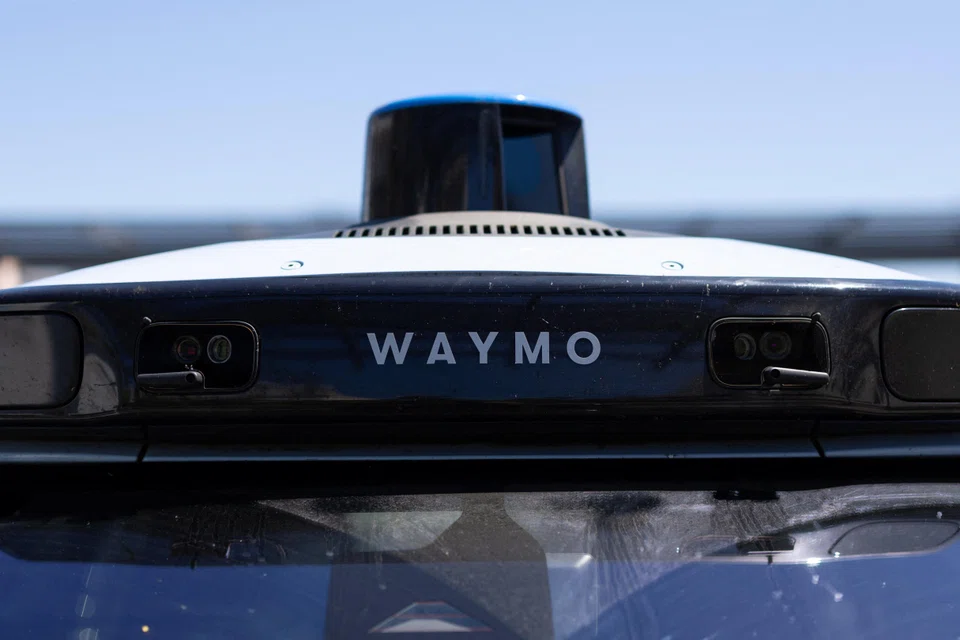
ALPHABET’S Waymo plans to bring its robotaxis to Japan next year as the US market leader continues its global expansion.
Waymo will partner with Japanese taxi firms Go and Nihon Kotsu to start a fully autonomous service in Tokyo in 2027, it said on Tuesday (Sep 15). The companies expect to start with a small fleet and then expand gradually to 100 vehicles.
Shares of Go, which manages Japan’s top taxi-booking app, rose as much as 9.7 per cent on Tuesday. The stock is up more than 40 per cent since its initial public offering in June.
Waymo has been expanding rapidly in the US and is now setting its sights on overseas markets, with the manufacturer also preparing a service in London.
It has been testing in Tokyo for the past year and its autonomous service would be the first on Japanese public roads.
The robotaxis would “complement Tokyo’s world-renowned transportation network, while helping Japan support an aging population and address future labour shortages,” Waymo said in a blog post. Rides will be accessible through the Go and Waymo apps.



Autonomous driving was long seen as a pipe dream in Japan, where the streets are narrow and crowded, and regulation is notoriously strict. But in the past months, companies have made efforts to get things going.
Earlier this year, US self-driving startup Nuro began testing in Tokyo, its first location abroad after partnering with Uber Technologies and Lucid Group. Backed by the likes of Nvidia and Toyota Motor, Nuro aims to compete with Waymo and Amazon.com’s Zoox.
Waymo said it still has to secure the necessary permits and licenses for its Japanese service. The country’s regulations currently require a human being in the driver’s seat, regardless of the vehicle’s level of autonomy. BLOOMBERG
Decoding Asia newsletter: your guide to navigating Asia in a new global order. Sign up here to get Decoding Asia newsletter. Delivered to your inbox. Free.
Share with us your feedback on BT's products and services