

Xiaomi rides EV success with ambitious delivery target for 2026
The company is also looking to break into chip production
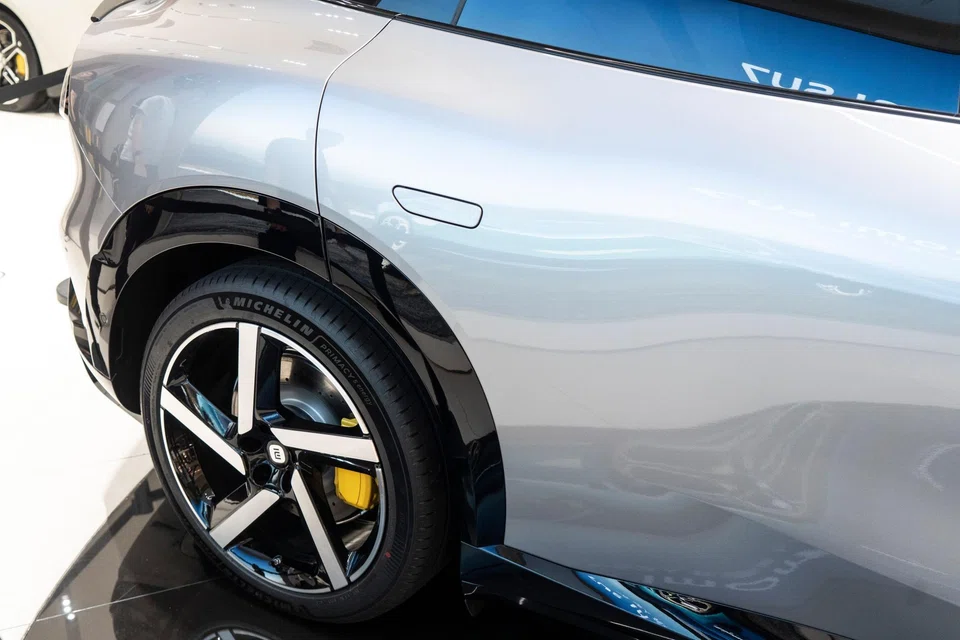
[HONG KONG] Xiaomi is looking to build on a breakout year for its electric vehicle (EV) business, raising its delivery target to 550,000 units in 2026 as it seeks to boost its share of China’s fiercely competitive market and make inroads overseas. Billionaire founder Lei Jun announced the target, which is up 34 per cent from last year’s sales of 410,000 vehicles, during a livestream on Saturday (Jan 3). Xiaomi said that its push into EVs turned profitable in November, about 18 months after it launched its first electric sedan, less than half the time it took Tesla to reach the milestone. Even so, Xiaomi was one of the worst-performing tech stocks last year as investors worried about challenges facing China’s EV industry, including overcapacity and weak demand. Two high-profile accidents involving the Xiaomi SU7 spurred calls for heightened regulatory scrutiny. Last year, China started releasing a series of proposals or new standards regulating advanced driver assistance technology, the design of door handles and battery safety. Yet praise for Xiaomi’s EVs, including outside China, is paving the way for its planned global expansion in 2027. Former Volkswagen China CEO Karl-Thomas Neumann said the SU7 Ultra, a performance trim of the sedan, amounted to a “crying loud warning sign” to Western automakers. Tech critic Marques Brownlee gave a favourable review of the sedan, describing its software integration as “awesome”. Xiaomi also plans to expand its portfolio beyond the SU7 sedan and YU7 sport utility vehicle (SUV), and may launch four new models and refreshes in 2026, including a five-seater and a seven-seater extended-range EV SUV, Chinese outlet 34Kr reported on Dec 30. Extended-range EVs contain a small petrol engine that kicks in to recharge the battery when it runs out of juice, offering a long range. Xiaomi is also looking to break into chip production. In May, Lei unveiled the Xring O1 chip, designed to power a new generation of devices, including the Tablet 7 Ultra. At three nanometres, the processor is aimed at matching Apple and Qualcomm chips. Xiaomi has warned of the impact of a shortfall in memory chips on its core smartphone business, forecasting a potential supply crunch this year that would raise the price of its mobile devices. BLOOMBERG
Decoding Asia newsletter: your guide to navigating Asia in a new global order. Sign up here to get Decoding Asia newsletter. Delivered to your inbox. Free.
Share with us your feedback on BT's products and services
TRENDING NOW

Prima to move out of historic Keppel Road flour mill building in 2028

Temasek-related Azalea, SeaTown, Seviora Capital to merge in 2027

Family offices see more tailored products, leverage ‘collective firepower’ for direct deal access

Singapore room rates soar, but hotels seeing mixed demand from F1 race and events

