Travel sector dividends to reach US$8.5 billion in FY2024 on sustained recovery, demand growth: report

Megan Cheah
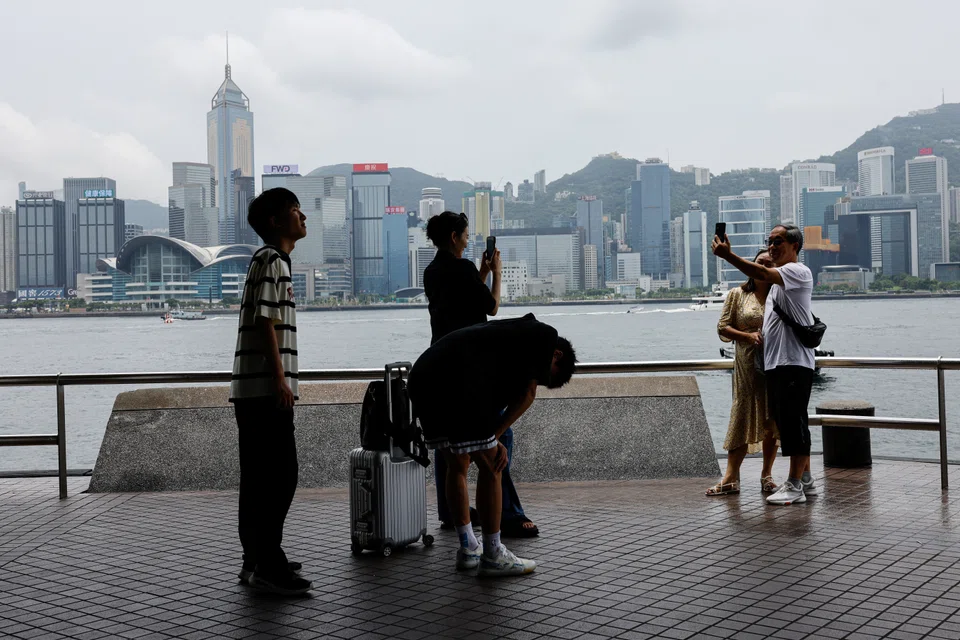
TRAVEL and leisure companies in the Asia-Pacific region (Apac) are expected to dole out aggregate dividends of at least US$8.5 billion in FY2024, surpassing pre-Covid numbers, said research house S&P Global Market Intelligence.
This comes as visitor arrivals in Apac rebounded strongly this year after the easing of Covid-related restrictions, noted the research house’s senior analyst Ralph Chen in a recent report.
The report examined 69 travel and leisure companies, with the US$8.5 billion derived from their projected dividends. These companies had paid out a total of US$7.3 billion in dividends in FY2019.
Among the 69 companies, 40 had suspended dividends during the pandemic. Nearly half of them have since resumed them.
This includes airlines that prepared for pent-up travel demand, such as Singapore Airlines , or capitalised on cargo capabilities during supply chain disruptions, such as China Airlines and Eva Airways.
Other airline groups in China, Hong Kong, Japan and Australia are expected to follow suit and resume dividends, depending on when they begin to turn profitable again, said Chen.
In particular, China – Apac’s main growth driver – and Hong Kong have the biggest recovery potential as the rebound for tourism activities there has not come into full force yet.
For example, China’s domestic passenger capacities have largely recovered to pre-Covid levels, but international flights “still have abundant room to grow”, Chen told The Business Times.
He estimates the aggregate dividend growth for Apac airlines to be around 110 per cent and 23 per cent for FY2023 and FY2024 respectively.
DBS equity research analyst Jason Sum added that the recent resumption of Chinese group tours to more countries, including Japan and South Korea, is “certainly positive” for the sector.
He is bullish on the near-term earnings prospects for airlines under the bank’s coverage but foresees some pressure on earnings in 2024 and 2025. This is as pent-up travel demand may recede, resulting in elevated passenger yields normalising even as airlines add more flights.
Alongside airlines, casinos are also likely to be a top dividend contributor in the sector, said Chen.
Casino and gaming companies have a projected dividend growth rate of 66 per cent in FY2023 and 127 per cent in FY2024. Some, such as Genting Singapore and Australia’s Aristocrat Leisure, have already resumed dividends in response to the removal of Covid-19 curbs.
A recent Jefferies report on Apac gaming also noted that Macau was the destination of choice for Chinese tourists – with 50.9 per cent of the market share – and that the ongoing summer holiday will contribute to higher revenues across the board for its casinos.
Macau’s casino companies are likely to resume dividends “at a different pace in the next two years”, based on location and marketing strategy, said Chen.
Alongside airlines and casino operators, online travel agencies, hotels and retailers could also benefit from the recovery in the travel sector, said Eric Mak, Julius Baer’s equity analyst for Hong Kong and China.
He noted that major online travel agencies had highlighted buoyant travel demand to remain throughout the second half of 2023 in their latest earnings reports.
However, he reckoned travel demand growth in 2024 might moderate due to a higher baseline comparison.
OCBC chief economist and head of treasury research and strategy Selena Ling said Singapore, too, is well positioned to benefit from the tourism rebound. This comes on the back of a strong pipeline of events and concerts, as well as the growth of meetings, incentives, conferences and exhibitions events.
Barring a recession, DBS’ Sum is optimistic that momentum in travel will be sustained over the medium term.
One factor was that global travel spending, as a proportion of overall gross domestic product (GDP), continues to be lower than pre-pandemic levels.
Global travel spending accounted for 7.6 per cent of global GDP in 2022 compared to 10.4 per cent in 2019, Sum noted, indicating a potential for growth.
High airfares and booking trends have also reflected “promising travel demand”, he said.
But even as companies return to the black, Sum believes not all will immediately resume dividend payouts.
“Companies that accumulated substantial debt during the pandemic will likely prioritise the repair of their balance sheet amid high interest rates for some time, before considering returns to shareholders,” he said.
Meanwhile, Chen believes the travel and leisure sector’s recovery will continue through the year into the next two years, with gradual dividend resumptions from 2024 to 2025.
He added that normalisation in the travel and leisure sector is not expected to happen in the short term, as the profit levels of many companies are still below pre-pandemic levels and there is “plenty of room for them to catch up with the recovery momentum”.