UOB counts on omni-channel edge to fend off digital bank challenge
Its study finds that customers are comfortable with digital engagement, but many like personal touch for big or long-term commitments.
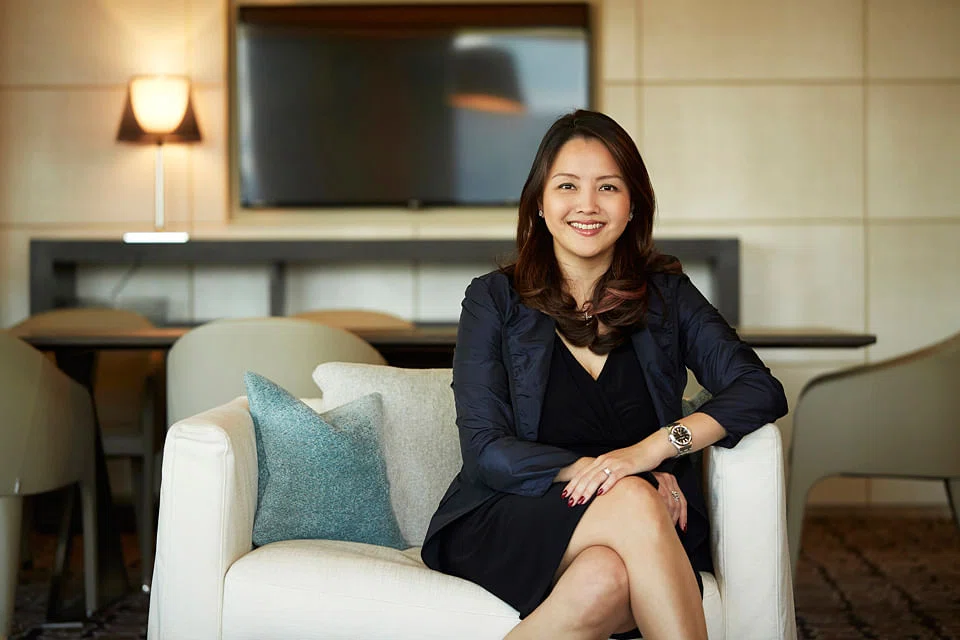
UOB is banking on an omni-channel approach to hold off competition from the upcoming Singapore digital banks, as its data shows customers still prefer the face-to-face approach in certain cases.
UOB's head of personal financial services Jacquelyn Tan told The Business Times that the bank welcomes the freshly announced digital banks, but is confident that UOB can offer consumers the best of both worlds.
"With digital banks coming on board, you will see consumers attracted to the value proposition of the offerings that they would have on the table - that is not a surprise," she said. "But ultimately for us, we believe we are well-placed because we have been investing in our digital capabilities and transforming the physical network.
"There are areas that consumers prefer an omni-channel approach, and not just digital."
For instance, all of UOB's car loans applications were digital applications in the second quarter, while digital applications for mortgage loans and credit cards, made up about 60 per cent of applications.
In the third quarter, however, digital car loan applications remained fully digital but the digital share of mortgage loan applications fell to 30-40 per cent. Once "circuit breaker" measures were lifted, some customers reverted to their preferred mode of meeting bankers physically.
According to an internal study, UOB found customers comfortable engaging digitally during the awareness, consideration and servicing stages in the customer journey life cycle. But, depending on the product, more than one in two prefer to have a banker assist them in the purchasing stage. This is especially for longer-term commitments, such as mortgages, insurance and wealth-related products.
Targeted digital engagement
At the same time, Covid-19 led the bank to accelerate its investment in digital capabilities and technology.
"We realised during the pandemic that there's always that last mile, which might not have been completely digitised," Ms Tan said. "We took the opportunity to convert that last mile into digital."
Digital signatures for insurance policies were one such development, as many consumers were reviewing their wealth portfolios during the second quarter.
UOB has concentrated its digital investments on transforming physical engagements and using data to complement its online and offline integration, said Ms Tan.
The bank has also reshaped its physical touchpoints over the past few years - either through relocating, reformatting or right-sizing - to enable more wealth conversations and "offload low-value transactions" such as cash over the counter, she said.
In the past year, the bank has removed at least 10 bank teller counters across its network to introduce about 20 wealth advisory cubicles.
UOB has 52 branches in Singapore, including its wealth, privilege and privilege reserve centres - all catering to different segments of wealthy customers.
It has also converted four branches to "high street wealth centres", which serve both the mass banking segment as well as the emerging affluent.
These centres are driven by artificial intelligence (AI) and facilitate "meaningful" wealth conversations, said Ms Tan.
"It's important to know what consumers want, how they engage a bank, and that's how we pivoted the physical network quite nicely," she said.
While UOB does not intend to add more branches, it will continue to transform existing ones to serve customers.
Competing digitally
With both its physical network and digital capabilities, UOB believes it has an edge over digital banks.
It also intends to tap its experience launching a standalone digital bank. Called TMRW, it was first launched in Thailand last year followed by Indonesia. It targets digital-savvy millennials, with a key feature being actionable insights drawn from AI and data analytics to help users save and spend better.
UOB is able to incorporate elements and best practices from TMRW to benefit customers here, said Ms Tan.
TMRW's digital engagement engine, for example, was adapted and localised by UOB to create the banking app Mighty. It offers hyper-personal experiences to customers.
"It might be that same one banking app for everyone, but the insights and the dashboard for everyone is different, because it's dependent on your transactions that you have done, as well as your preferences, and behaviour."
For instance, the app prompts users when a recurring bill is due or a refund is credited. This gives customers information to make better financial decisions, she said.
UOB also has the advantage of being able to offer multiple, holistic financial solutions, which means it can "drive the deepening of the relationship".
Even so, Ms Tan said the bank is not taking competition lightly. "We have to continuously innovate our products and services to keep up with the customer's needs and lifestyle," she said. "That is a commitment that we make to our customers anyway, whether the virtual banks are coming in or not.
"This ability for us to serve customers with the data we have at hand and to deepen the primary banking relationship will be critical."