

UOBAM upbeat over global growth in 2017
Singapore
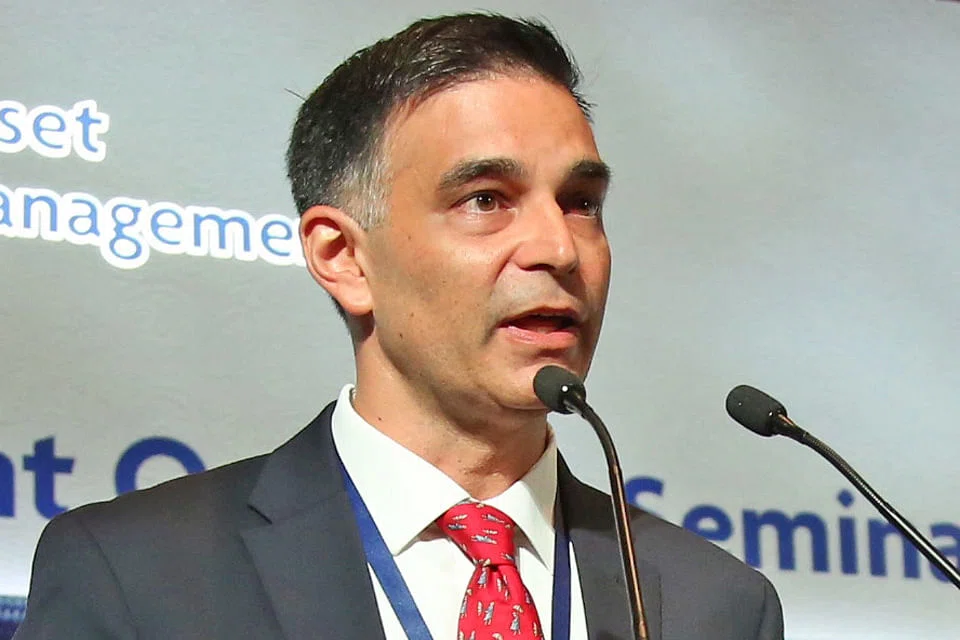
THE global economy is expected to pick up with potential reflation in 2017 amid geopolitical uncertainties, said economists and strategists from UOB Asset Management (UOBAM) at its investment outlook seminar on Wednesday.
Better than expected macroeconomic indicators point to signs of sustained global growth, albeit at a moderate rate, as deflation fears fizzle out, said Anthony Raza, UOBAM's head of multi-asset strategy.
He said: "This may in turn lead to reflation, which is the return of inflation to normal target levels, after the past seven years of low or even negative levels of inflation. Reflation also implies that wages may begin to rise with increasing consumption."
Global interest rates are expected to rise gradually following the interest rate hike by US Federal Reserve in December last year, which signals recovery in the economy, he said.
The Purchasing Managers' Index of major economies like the US, eurozone, Japan and China has seen numbers above the 50 level since the second half of 2016, which indicate an expansionary trend.
Mr Raza said there could be challenges for the US Congress to provide fiscal support for infrastructure spending or implement tax cuts on a timely basis, even though it is likely to develop and implement policies that support domestic growth.
"Uncertainty also remains around Brexit and the political environment in Europe, as well as a potential hard landing in China," he said.
The fund house is overweight on equities, preferring developed markets over emerging markets, with a focus on the US.
"Economic growth and normalising inflation rates bode well for investments in growth assets, such as equities, as they imply that consumer prices are rising in tandem with wages and revenues," he said, expecting high single-digit returns from equities and low single-digit returns from fixed income.
The fund house is underweight in fixed income, taking an overweight position in credits over government bonds. It is, however, neutral on commodities and cash.
During a panel discussion on investment strategies for the year, UOB senior economist Suan Teck Kin said reflation has showed up in areas like a stronger dollar, which has an impact on the regional economy.
He noted that trade protectionism will not be very friendly for export-driven Asia and that it may impact businesses in the region.
While Singapore is very good at value add, the focus of the Committee of the Future Economy expected later this month, is to create value, said Mr Suan.
In the short term, the focus would be on the city-state's competitiveness compared to other countries in terms of efficiency and cost, he added.
With reflation, the correlations between various asset classes will be normalised, where diversification may benefit, said Chong Jiun Yeh, UOBAM's chief investment officer of fixed income and structured investments, who recommends a more balanced approach.
"My preferred fixed income segment will be credit spread products that have the least correlation with rising US yield," he said. For example, corporate bonds with relatively good yield and excess spread that can buffer the rising yield of US treasury.
Opportunities abound in alternative investments like technology startups, where companies like ride-hailing platform Grab, Internet company Garena and e-commerce platform Lazada have seen phenomenal growth, said Low Han Seng, chief executive officer of UOB Asia Investment Partners.
But these alternative investments are accessible only to certain investors like private equity funds.
TRENDING NOW
Despite the de-dollarisation debate, demand for dollar liquidity in Asia is growing
URA to review guidelines on floor space to give developers more design flexibility: Chee Hong Tat

He built the Vingroup empire. Now South-east Asia’s richest man is handing some key roles to his sons
Can a first-time homebuyer couple earning S$18,000 a month afford a new EC unit?

