UOI bets on hybrid insurance model as customers seek both digital ease and human touch
It also offers specialised products that meet specific consumer needs, such as Singapore’s first dedicate cruise insurance

[SINGAPORE] Even as insurance processes become increasingly digitalised, boosting speed and convenience, customers still crave the human touch when it comes to their purchasing decisions.
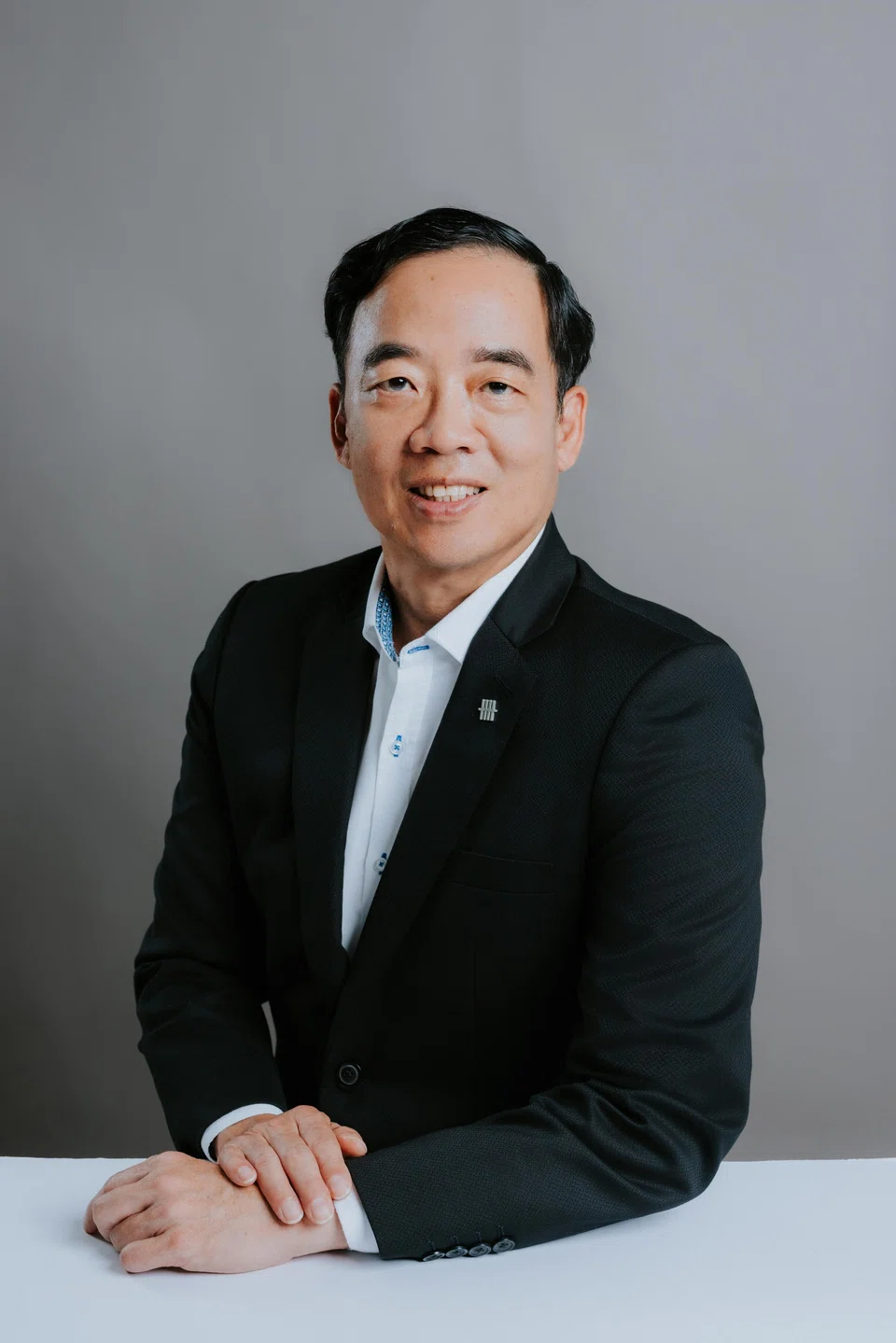
This is why United Overseas Insurance (UOI) chief executive officer Andrew Lim champions a hybrid experience that combines the convenience of technology with the personal connection many still value.
UOI, a direct general insurer, is the only general insurer listed on the Singapore Exchange. UOB holds a 58.39 per cent stake in the company.
Lim joined UOI in 2019 and became CEO in 2023, following the retirement of chairman emeritus Dr Wee Cho Yaw and other long-serving directors.
While routine tasks such as updating an address can be digitalised, Lim noted that customers still value the option to speak to another human. For more complex queries especially – around products such as motor insurance, for example – they often prefer to speak to someone directly.
This is where UOI’s hybrid experience comes into play.
“The whole process can be streamlined, but there will be opportunities for human engagement to happen,” he said.
UOI’s digital strategy includes expanding omnichannel options such as WhatsApp and its customer portal, allowing clients to reach a representative easily when needed.
Lim observed that many customers begin the purchase process but do not complete it, as they still prefer to speak with someone from the company. In such cases, UOI reaches out to assist them.
He said: “At the end of the day, customers want speed, transparency and convenience. At the same time, they want empathy, guidance (and) to know that the advice that they get (can be trusted). So we try to balance these two requirements.”
He noted that many products are simple enough for consumers to purchase online without needing much assistance. Travel insurance, for instance, is now purchased almost entirely online.
This convenience, which allows customers to complete the service themselves without having to manually fill in lengthy forms, is prized, he said.
Last August, UOI launched a digital portal to help intermediaries reach a broader customer base – especially consumers who are underserved by traditional channels.
The response to the new platform has been “highly positive”, Lim said, with many intermediaries citing its convenience and ease of use.
Niche insurance products
UOI’s product range includes several offerings that are fully digital and straightforward, such as Singapore’s first dedicated cruise insurance, travel insurance, motor insurance, personal accident coverage, domestic helper insurance, and packages for small and medium enterprises.
The cruise insurance product, InsureCruise, was developed after UOI recognised a gap in the market.
“There (was) demand for a specialised product,” Lim said, pointing out that cruise passengers have specific needs not adequately met by traditional travel insurance.
For example, it often fails to cover cruise-specific risks, such as missed port departures, itinerary changes due to weather and on-board medical emergencies.
Unlike standard travel insurance plans, InsureCruise helps customers avoid paying for coverage that is not relevant to a cruise, such as rental vehicle excess and flight misconnection coverage.
The product was developed in strategic alignment with UOB’s partnership with Disney Cruise Line, for the Disney Adventure cruise’s inaugural sailings from Singapore.
As UOB’s sole insurance subsidiary, UOI benefits from cross-selling opportunities through the bancassurance channel.
Lim highlighted that the insurer also offers a variety of travel insurance products through UOB.
“We know that depending on the customer segment, a lot of people like extreme sports or going skiing or yachting (and the like), so we have (the appropriate) insurance.” He added that golf insurance is popular as well.
He said that UOI’s approach has been shaped by a profound understanding of its customers’ demographics, activities and behaviours, ensuring that their insurance needs are met effectively.
As for whether there are plans for more specialised or niche product launches, he said that such offerings will continue to be driven by partnerships. UOI will develop products that cater to specific needs as the opportunities arise.
Financial performance
For the first nine months of 2025, UOI reported a 34.9 per cent increase in comprehensive income to S$40.6 million. Insurance revenue grew 7.9 per cent to S$85.7 million, and non-underwriting income rose by 33 per cent to S$13.7 million.
Despite a challenging year marked by geopolitical instability and natural disasters, the insurer’s growth remained strong.
“We are just very happy that we were able to make some money and... grow,” Lim said.
He attributed the strength of the insurer’s non-underwriting income to its conservative asset allocation strategy and focus on long-term stability.
However, its net insurance service and financial results declined by 56.8 per cent to S$5.1 million. This was because of investments in technology and an increase in headcount that is part of a planned transformation.
These were necessary investments to support the company’s digital future, reinforcing its long-term strategy, Lim said.
UOI plans to boost its technology investments by 50 per cent and increase talent acquisition by 60 per cent by 2029. The company is also prioritising the upskilling of its existing workforce through continual learning and development programmes.
TRENDING NOW
Three ex-employees of Envy group join Ng Yu Zhi in bankruptcy
He built the Vingroup empire. Now South-east Asia’s richest man is handing some key roles to his sons
Grab CEO’s wife Chloe Tong on life with Anthony Tan and finding her purpose
Incidence of civil servants buying property near unannounced MRT stations ‘a concern’, but may not establish misconduct: PSD