

US dollar ekes out gains before Fed rate announcement
 Add BT as a preferred source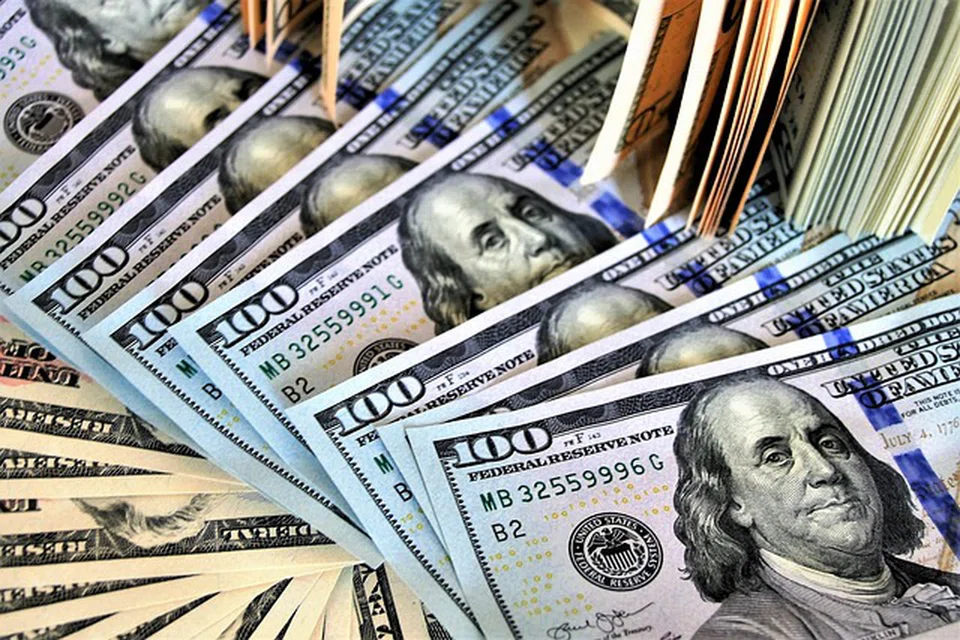
DeeperDive is a beta AI feature. Refer to full articles for the facts.
THE greenback edged higher on Wednesday (Jan 31), heading for its biggest monthly gain since September, while the yen faced its sharpest monthly drop in almost a year as traders awaited a US rates decision.
The US dollar index has gained 2.1 per cent against a basket of major currencies this month as markets lowered expectations on the speed and scale of US rate cuts given strong economic data and caution from central bankers. On the day, the index was up 0.1 per cent to 103.52, just below Monday’s 103.82 that matched last week’s seven-week high.
A slowdown in Australian inflation pushed the Aussie dollar down by as much as 0.5 per cent to US$0.6560 and rallied bonds as investors increased wagers on interest rate cuts, while a moderation in French and German inflation kept the euro lower.
Elsewhere moves were modest, and the yen showed little immediate reaction to a hawkish tilt at the Bank of Japan, while markets awaited news from the Federal Reserve.
The yen is down 4.5 per cent on the US dollar this month and headed for its largest monthly drop since February last year as weak wage data and cooling inflation leave room for the Bank of Japan to take its time raising rates.
However, a summary of its January meeting on Wednesday showed its resolve strengthening and conditions supporting an end to negative rates relatively soon.
Navigate Asia in
a new global order
Get the insights delivered to your inbox.
The Fed is expected to hold US interest rates steady on Wednesday, but flag future cuts by dropping language suggesting further hikes.
Interest rate futures price a roughly 45 per cent chance of a Fed rate cut in March, down from almost 90 per cent at the end of last year.
“If we get a softer tone from (Fed chair Jerome) Powell then I think there’s a risk that the (US) dollar would weaken,” said Dane Cekov, senior macro and FX strategist at Nordea.
Ahead of the Fed’s decision, Cekov highlighted the US Treasury’s quarterly refunding announcement and the closely-watched employment cost index for evidence of wage growth in the fourth quarter that could determine the US dollar outlook.
French EU-harmonised inflation fell to 3.4 per cent in January from 4.1 per cent in December, while inflation in six economically important German states also slowed in January, suggesting that national inflation has resumed its downward trajectory.
A slowdown in Germany would foreshadow the same in eurozone numbers due on Thursday and reinforce market expectations that European policymakers could start rate cuts earlier than the European Central Bank has signalled.
The euro was last down 0.1 per cent at $1.0838, while sterling fell by a similar amount to US$1.2684 before the Bank of England’s policy announcement on Thursday, where rates are also set to be unchanged.
Expectations of interest rate cuts in China have driven a bond market rally this month, while the yuan has been squeezed by a flight from China’s crumbling equity markets.
The Chinese currency held at 7.1771 on Wednesday, down 1 per cent for the month. China’s manufacturing activity in January contracted for a fourth straight month, an official survey showed, suggesting the sector was struggling for momentum.
Decoding Asia newsletter: your guide to navigating Asia in a new global order. Sign up here to get Decoding Asia newsletter. Delivered to your inbox. Free.
Share with us your feedback on BT's products and services
TRENDING NOW

Shelving S$5 billion office redevelopment plan proved ‘wise’ as geopolitical risks mount: OCBC chairman

Why where you park your joint venture matters: Lessons from a US$689 million shareholder dispute

China pips the US if Asean is forced to choose, but analysts warn against reading it like a sports result

Singaporeans can now buy record amount of yen per Singdollar

