

US dollar gains as risk tolerance drops with hawkish central banks
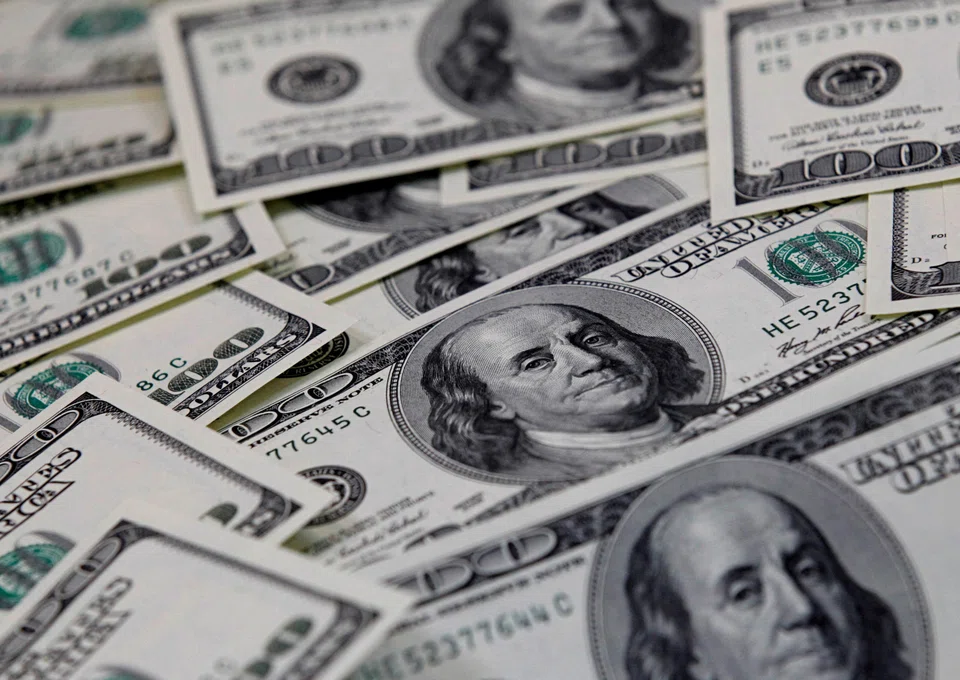
THE US dollar rose on Friday (Dec 16) in choppy trading, extending sharp gains in the previous session as risk appetite soured and investors grappled with the prospect that borrowing costs still have a long way to climb.
The greenback briefly fell after data showed that US business activity shrank further in December as new orders slumped to their lowest in more than 2.5 years, while softening demand helped to significantly cool inflation.
S&P Global said on Friday that its flash US Composite PMI Output Index, which tracks the manufacturing and services sectors, fell to 44.6 this month from a final reading of 46.4 in November. It was the sixth straight month that the index remained below the 50 mark, which indicates contraction in the private sector.
“The weaker-than-expected flash PMIs would not stop the Fed from hiking. We’ve had a hawkish week with the Federal Reserve and the ECB (European Central Bank) and there’s a lot of red on the screens; that’s why I think you’re seeing the dollar get bid here to the close,” said Erik Bregar, director, FX & precious metals risk management, at Silver Gold Bull in Toronto. “The jury is still out on whether the dollar has peaked. I think if risk-off sentiment continues over the holidays, we can see a dollar bounce. This dollar momentum here has some legs for at least another week or two.”
In afternoon trading, the greenback fell 0.8 per cent against the yen to 136.67, after hitting a two-week high in the previous session. Net short positioning on the yen continued to decrease in the week ended Dec 13. Net shorts on the yen hit 53,188 contracts, the smallest since Aug 30.
Sterling slipped 0.2 per cent against the US dollar to US$1.2157, with the euro falling 0.3 per cent to US$1.0595.
On Thursday, the euro fell as well after the ECB raised interest rates and signalled it was far from finished, stirring fears about the potential damage to the global economy and sending investors toward the safe-haven greenback.
A day earlier, Fed Chair Jerome Powell said policymakers expected US rates to rise further and stay elevated for longer. New York Fed President John Williams upped the hawkish rhetoric on Friday, saying it remains possible the US central bank raises interest rates more than it currently expects next year. The Fed has projected the peak fed funds rate at 5.1 per cent.
That said, financial markets do not seem to be buying the hawkish Fed stance. The fed funds futures markets have priced in rate cuts by the end of 2023. “Few expect the Federal Reserve to deliver on Wednesday’s hawkishness,” said Karl Schamotta, chief market strategist at Corpay in Toronto.
The dollar index, which gauges the currency against six major peers, rose 0.2 per cent to 104.74, after rallying more than 0.9 per cent on Thursday.
The index has surged around 9 per cent this year as the Fed has hiked interest rates hard, sucking money back toward dollar-denominated bonds. Yet it has dropped roughly 8 per cent since hitting a 20-year high in September, as a slowdown in US inflation has raised hopes the Fed’s rate-hiking cycle might soon end.
The risk-sensitive Australian dollar was 0.2 per cent lower at US$0.6687. The Aussie plunged more than 2 per cent in the previous session – its biggest drop since March 2020. The New Zealand dollar, however, rose 0.7 per cent to US$0.6383. REUTERS
Decoding Asia newsletter: your guide to navigating Asia in a new global order. Sign up here to get Decoding Asia newsletter. Delivered to your inbox. Free.
Share with us your feedback on BT's products and services
TRENDING NOW

Singapore identifies 7 firms responsible for haze fires, notices issued urging action: Grace Fu

Philippine power giant First Gen rebuffs foreign offers, plans up to US$2.6 billion in expansion
DBS remains analysts’ pick ahead of Q3 earnings after Singapore banks’ share slump
Indonesia imposes US$116 million in fines over manipulation of Sinar Mas, Prajogo-linked stocks

