

US dollar touches five-month low on rate cut hopes in thin market
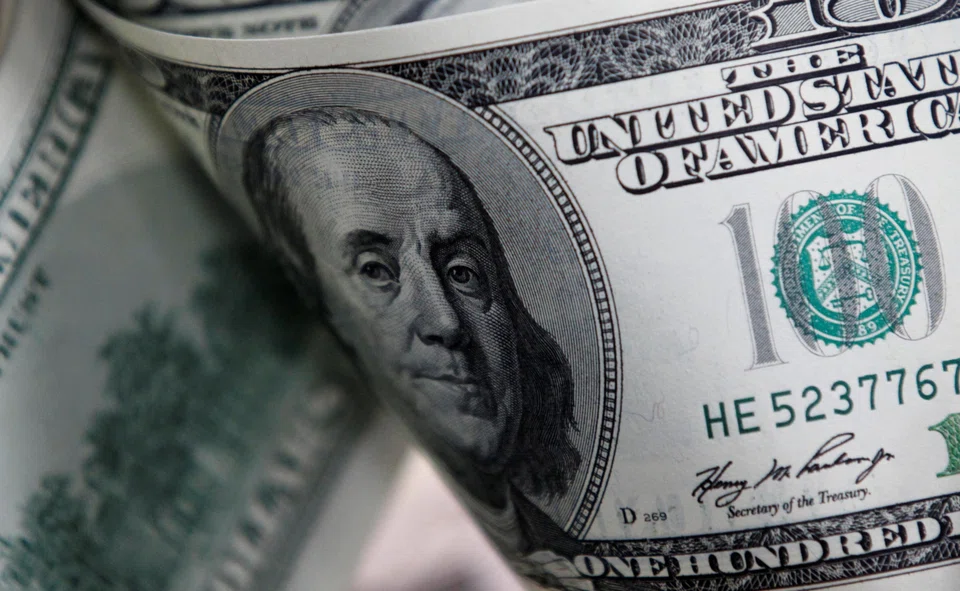
THE greenback slipped to a five-month low on Wednesday (Dec 27) and the euro touched a more than four-month peak on expectations that the Federal Reserve could soon cut interest rates, but thin year-end trading flows limited moves.
With many traders out for holidays, volumes are likely to be muted until the New Year.
The US dollar index, which measures the US currency against six others, fell to 101.36, its lowest level since Jul 28. The index is on course for a 2 per cent drop in 2023 after two years of strong gains driven by the anticipation of Fed rate rises and then the Fed’s actual rate increases to battle inflation.
“Overall, from a global perspective, I expect markets to remain quiet,” said Jens Magnusson, chief economist at SEB.
“We still have strong equity markets and that is likely to hold through to New Year. If nothing happens geopolitically then currency markets will stay fairly calm over the next few days.”
The US dollar’s recent weakness – the index is set to clock a second straight month of losses – has been spurred by markets anticipating Fed rate cuts next year, denting the currency’s appeal.
Markets are now pricing in an 85 per cent chance of a rate cut starting in March 2024, according to the CME FedWatch tool, with more than 150 basis points of cuts priced in for next year.
US data showing cooling inflation has emboldened bets on rates easing next year.
“Disinflation is proving entrenched (and) expectations are for central banks to pivot next year while growth is still trudging along,” said Christopher Wong, a currency strategist at OCBC.

“This paints a goldilocks market that is favourable for risk proxies”, such as equities and higher risk currencies.
Meanwhile, the euro was up almost 0.2 per cent at US$1.1061, a more than four-month high. The single currency is up more than 3 per cent in the year and on course for a third straight month of gains, matching the run it had last year.
“Overall, as long as the soft landing narrative is alive and well and there’s healthy risk appetite, then I think people will be looking more towards the euro rather than the (US) dollar,” said SEB’s Magnusson.
The Japanese yen weakened 0.1 per cent to 142.55 per US dollar and is headed for an 8 per cent drop in the year, although the Asian currency has witnessed a bout of strength in recent weeks reflecting expectations the Bank of Japan (BOJ) will soon exit its ultra-loose policy.
BOJ governor Kazuo Ueda said on Wednesday he was in no rush to unwind the central bank’s ultra-loose monetary policy as the risk of inflation running well above 2 per cent and accelerating was small.
Meanwhile, a summary of opinions at the central bank’s Dec 18-19 meeting showed that BOJ policymakers saw the need to maintain policy for now, with some calling for a deeper debate on a future exit from massive stimulus.
The summary of opinions was somewhat dovish and showed no sense of urgency to end the ultra-loose policies, according to Saxo strategists.
The likely timing of the end of the policies will be later than what the market is anticipating, the strategists said.
The Australian dollar and the New Zealand dollar both touched more than five-month peaks earlier in the session. The Aussie last bought US$0.6838, while the kiwi was at US$0.6328.
In emerging markets, Turkey’s lira weakened to a record low of 29.4 per US dollar, bringing its losses this year to 36 per cent. REUTERS
Decoding Asia newsletter: your guide to navigating Asia in a new global order. Sign up here to get Decoding Asia newsletter. Delivered to your inbox. Free.
Share with us your feedback on BT's products and services
TRENDING NOW

World’s largest offshore wind platform by Seatrium consortium on track to be completed by 2028

Is stamp collecting enjoying an analogue revival or are its best days over?

GovTech retrenches another 38 staff in second round of layoffs

MBS adjusted property Ebitda falls 20.6% in Q3 with fewer high-roller visits, weaker hold

