
US dollar touches one-week high vs yen, dips against sterling
 Add BT as a preferred source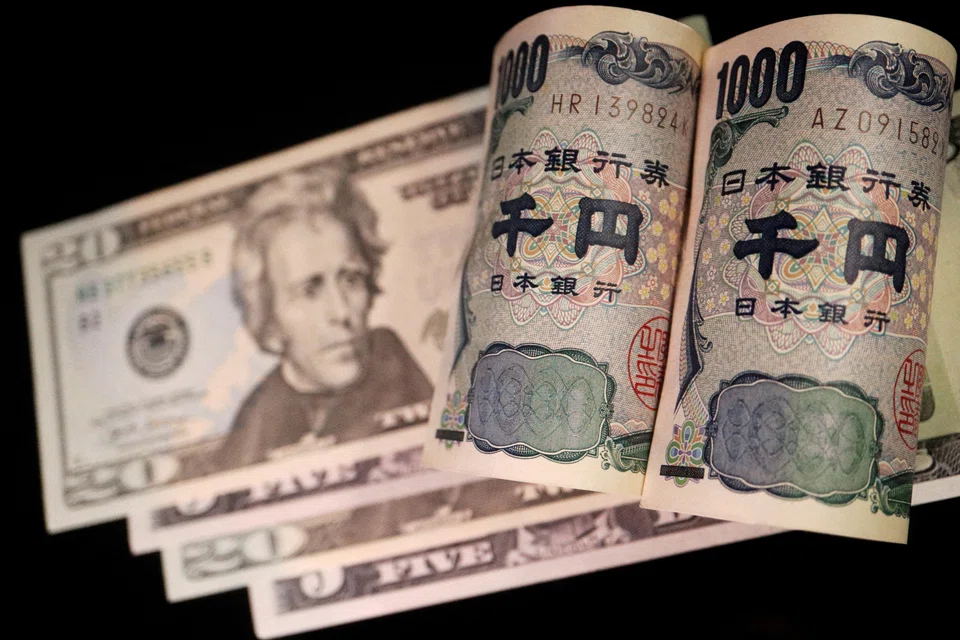
THE US dollar touched a one-week high against the yen on Wednesday (Dec 28), boosted by a jump in Treasury yields and investor expectations for a rebound in Chinese growth as Covid-19 curbs loosen.
Meanwhile, the pound headed towards its largest one-day rise against the US dollar in two weeks as UK markets reopened after a long weekend.
Gilts, which have not traded since Friday, came under pressure in line with a sell-off in global government bonds the previous day, which pushed yields up and further supported the pound.
The yen also eased after the Bank of Japan (BOJ) signalled that a surprise policy shift last week did not mark the start of a broader withdrawal of monetary stimulus.
The US dollar rallied by as much as 0.7 per cent to 134.40 in Asian trading, the most since Dec 20, when the BOJ sent the pair spiralling lower with an unexpected loosening of the 10-year Japanese government bond yield policy band.
That day the yen staged its biggest one-day rally against the US dollar in 24 years, closing 3.8 per cent higher, as traders speculated about an eventual unwinding of stimulus.
Navigate Asia in
a new global order
Get the insights delivered to your inbox.
But a summary of opinions from the meeting, released Wednesday, showed policymakers backing a continuation of ultra-accommodative policy, even as they discussed growing prospects for higher wage growth and sustained inflation next year.
“It basically confirmed that the BOJ surprise from last week was a one-off, but from a longer-term viewpoint nobody believes it,” said Osamu Takashima, head of G10 FX strategy at Citigroup Global Markets Japan.
Takashima expects the US dollar to weaken past 130 yen in the second half of next year and said the current strength in the US dollar against the Japanese currency was likely to be temporary, given the rise in US government bond yields.
The 10-year Treasury yield hit a six-week high of 3.862 per cent the previous day. The higher the yield, the more it tends to lift the US dollar against other currencies, especially the yen, which is one of the lowest-yielding in the world.
Throwing a spanner in the works for markets in the final weeks of the year is China’s rapid dismantling of the strict zero-Covid policies that have severely hampered its economy for nearly three years.
Investors are having to reconcile the uptick in economic activity as China’s consumers and businesses return to some kind of normality with the impact of a surge in infections.
“With infection levels running at many thousands per day, it’s little wonder that China’s Covid response should top many analysts’ list of concerns about 2023,” said DailyFX analyst David Cottle.
The US dollar index, which measures the US currency against six major rivals, eased 0.1 per cent to 104.07. It hit a six-month low of 103.44 two weeks ago, when the Federal Reserve (Fed) slowed the pace of its increases to interest rates.
Fed officials including chair Jerome Powell though have emphasised since then that policy tightening will be prolonged, with a higher terminal rate, fueling worries of a US slowdown.
“The US dollar is in a very interesting situation,” said Bart Wakabayashi, a branch manager at State Street in Tokyo.
“If we have a recession in the US, the Fed will have to cut rates, and obviously you will want to sell the US dollar,” he said. “At the same time, if there’s a global recession, people will buy the US dollar as a haven. So the US dollar is in a bit of a conundrum, and you have to be really careful what currency you’re buying or selling against.”
Sterling rose by as much as 0.5 per cent against the US dollar to US$1.2095, heading for its largest-one day rise in two weeks. Against the euro, the pound was up 0.4 per cent at 88.08 pence.
The euro firmed by 0.1 per cent to US$1.06515, having traded steadily around six-month highs in the couple of weeks since European Central Bank president Christine Lagarde said that rate hikes would need to continue.
The Australian dollar rose 0.9 per cent to US$0.6795 while the New Zealand dollar strengthened by 1 per cent to US$0.633. REUTERS
Decoding Asia newsletter: your guide to navigating Asia in a new global order. Sign up here to get Decoding Asia newsletter. Delivered to your inbox. Free.
Share with us your feedback on BT's products and services

