US long-only funds sell US$6 billion in China ADRs this year
 Add BT as a preferred source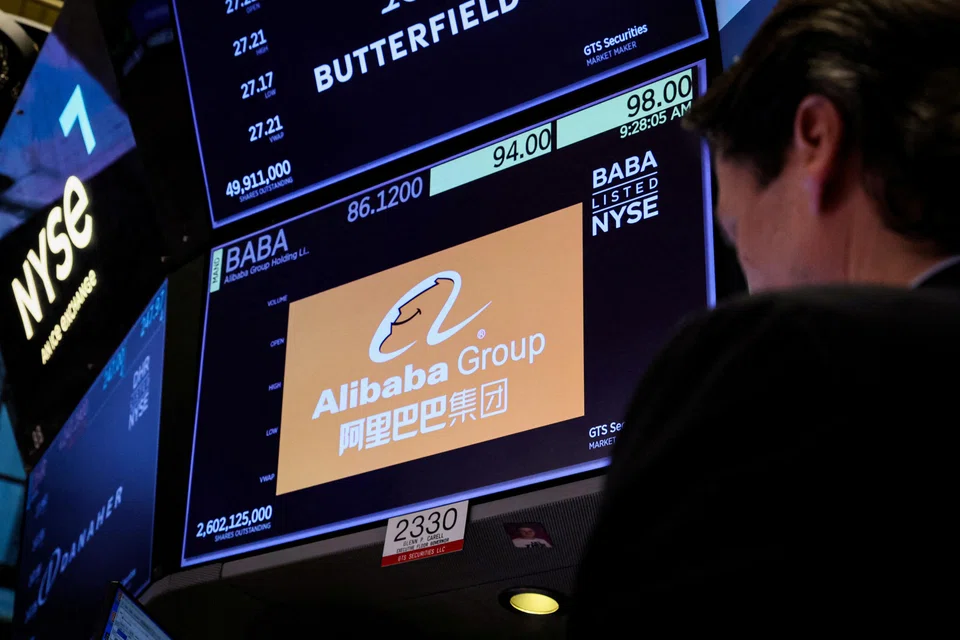
US-DOMICILED long-only funds have unwound more than US$6 billion in US-listed China stocks this year, Morgan Stanley research shows, as China’s fading recovery outlook and widening geopolitical tensions send investors opting for safer choices.
The Nasdaq Golden Dragon China Index of New York-listed mainland companies, consisting mainly of Internet giants such as Alibaba Group, Baidu.com and JD.com, lost 5.6 per cent this month, in sharp contrast to a 7.9 per cent jump in the broader Nasdaq.
The China index, a gauge of Chinese American depositary receipts (ADRs), had fallen 10 per cent in April and has lost about half of its gains from a remarkable rally that began last October, as China eased its harsh Covid-related restrictions and hopes ran high for a rapid economic recovery.
Mutual funds and exchange-traded funds (ETFs) domiciled in the US have been among the major sellers, offloading US$640 million of Chinese ADRs this month as of May 26, extending the total net selling in 2023 to $6.11 billion, said a Morgan Stanley research report.
“It is a matter of economic growth and geopolitics. Investors are adjusting their expectations on China’s cyclical rebound,” said Gary Ng, senior economist at Natixis Corporate and Investment Bank.
“The ongoing US-China tensions may also spook investors, and the news flow has been negative with tighter restrictions from both sides.”
Recent economic data has pointed to a faltering recovery in China, including industrial profit figures over the weekend that showed a slump in the first four months of the year.
Concerns have also risen over escalating Sino-US disputes relating to technology and trade. Last week, Beijing posted a ban on the sale of some chips by US-based Micron Technology, while a US lawmaker urged trade curbs on Chinese memory chipmaker Changxin Memory Technologies.
“The market is diversifying to other options with a better story and lower policy risks in the short run, such as Japan,” Ng said.

The total market value of US-listed Chinese stocks has shrunk US$102 billion since the end of March, showed calculations from Refinitiv data.
Some long-term money and large institutions in the United States are still in the process of lowering exposure to China, Kevin Liu, managing director and strategist at CICC Research, said in a note last week.
US investors would rather buy “China proxies”, such as French luxury brands or other emerging market stocks benefiting from China’s reopening, than directly trade China equities, he said.
US hedge funds with a mixture of long and short positions kept their exposure to China ADRs largely unchanged in May, but short interest is rising, Morgan Stanley said. REUTERS
Decoding Asia newsletter: your guide to navigating Asia in a new global order. Sign up here to get Decoding Asia newsletter. Delivered to your inbox. Free.
Share with us your feedback on BT's products and services