

US private credit risks not mirrored in South-east Asia: IFS Capital CEO
Randy Sim explains why the region’s credit landscape looks nothing like that of the US and why we should differentiate them

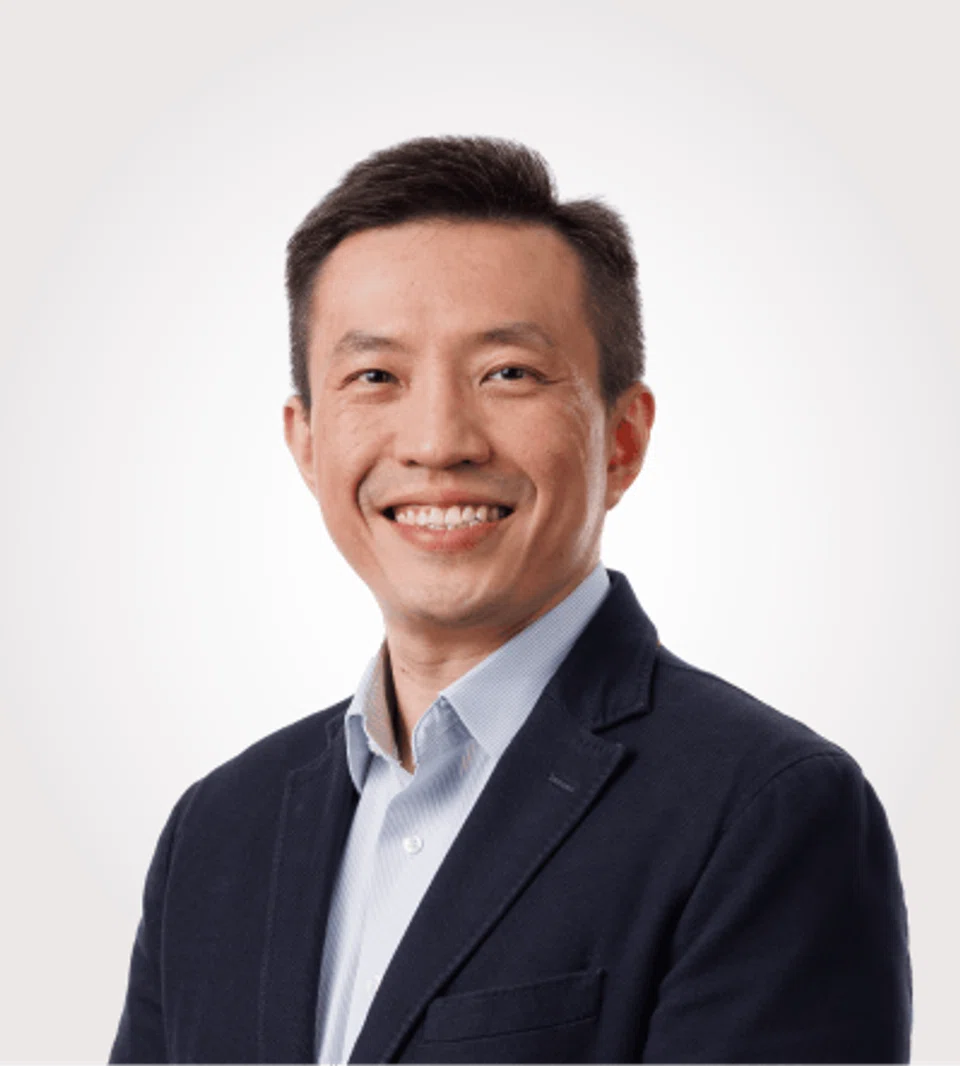
[SINGAPORE] Private credit may be dominating global financial headlines, but Randy Sim, group CEO of Singapore Exchange-listed IFS Capital, is quick to draw a line between what is happening in US direct lending and the more conservative South-east Asian private credit landscape.
“These days, private credit and direct lending are pretty synonymous, but we look at it quite differently,” said Sim. He noted: “Private credit is like this big umbrella, you have direct lending in the US – which is the one that gathers all the headlines – which are largely sponsored companies that have private equity backing and are typically highly leveraged.”
Earlier this year, major US managers in the direct lending space were hit by a wave of redemption requests, and had to limit withdrawals by investors when “gating mechanisms” were triggered.
Gating allows fund managers to cap the amount that investors can withdraw during periods of heavy redemptions to preserve the fund.
Meanwhile, in South-east Asia, about 90 per cent of these are non-sponsored.
Sponsorship – when a private equity firm owns, manages and financially backs a borrowing company – is a critical distinction because it separates the highly leveraged private equity-backed US direct lending from the more conservative, asset-backed lending to independent businesses in South-east Asia, noted Sim.
This distinction matters now more than ever. “The dominant risk this year is liquidity risk,” said Sim. He noted that liquidity risk can be seen at two levels – from the borrower and the lenders.
Borrower profiles differ
The deal size, borrower profile and the kind of risk writing in direct lending are quite different from South-east Asia at this point of time, insulating the region from the stress visible in US markets, he explained.
Sim said that one difference is in the sectors targeted – software accounts for about 20 to 30 per cent of US direct lending, while in South-east Asia, it is virtually negligible.


“What got investors nervous was when the artificial intelligence disruption came, people felt it could really put pressure on software companies,” he said.
Meanwhile, he noted that many South-east Asia private credit borrowers are concentrated in domestic sectors such as manufacturing and services.
These businesses are facing other risks such as industry-specific challenges, he pointed out, citing an example of Thailand automotive parts suppliers potentially facing stress from the Chinese electric vehicle manufacturers.
In South-east Asia, what is important is bridging the types of financial instruments to the product market to see what fits, given that each country is different, he said. “In Singapore, it could be manpower or engineering services; in Thailand, it could be manufacturing. We can still use the same instrument, but the origination criteria will be different.”
Rather than a standard term loan for all borrowers, it is key to construct a suitable funding structure, such as an amortising facility or a revolving working capital loan, depending on the borrower’s needs.
Sim added that managing defaults starts from origination, through credit assessments, relationship management, knowing the purpose of the financing and engaging borrowers early in the exits, and monitoring the liquidity in the assets pledged.
Banks still dominate credit markets
Another key difference lies in the role banks continue to play in South-east Asia’s credit markets.
Sim said that in the region, banks are still responsible for 75 per cent of the credit, while in the US it is about 30 per cent, and in Europe it is about 50 to 55 per cent.
“One of the issues that you see in the US is that you have funds where everyone is running for the exit at the same time, and your underlying assets are not so liquid, so they could still be performing but you may be forced to liquidate one way or another,” he pointed out.
In South-east Asia, Sim said that for clients experiencing lease concentrations or where IFS is the sole lender, the firm actively seeks to introduce other partners to help diversify the lender base.
On the firm’s IFSAM Private Credit Income Fund, he said that the team has to be conscious of both the composition of the portfolio and ensuring investor communication is transparent and prompt.
He noted that in Singapore, the team is engaging with insurance companies, family offices and high-net-worth individuals who are interested in exploring South-east Asia private credit as they are less correlated with public markets.
“It is good to see this proliferation with different people bringing in different expertise,” he added. “The way we see the role of Singapore, a lot of capital may not start here, and definitely does not end here, but then it somehow goes through Singapore.”
Decoding Asia newsletter: your guide to navigating Asia in a new global order. Sign up here to get Decoding Asia newsletter. Delivered to your inbox. Free.
Copyright SPH Media. All rights reserved.
TRENDING NOW

Once staunchly pro-China, Malaysian Chinese businesses are now distancing themselves from Beijing

Britain’s mansion tax shows the difficulty of targeting wealth

Three hats, one goal: How Ng Kian Swan runs sustainability at NUHS

COE review: The gap between luxury and mass-market cars isn’t the only one worth bridging

