USD/JPY pullback remains corrective as intervention risk persists above 160
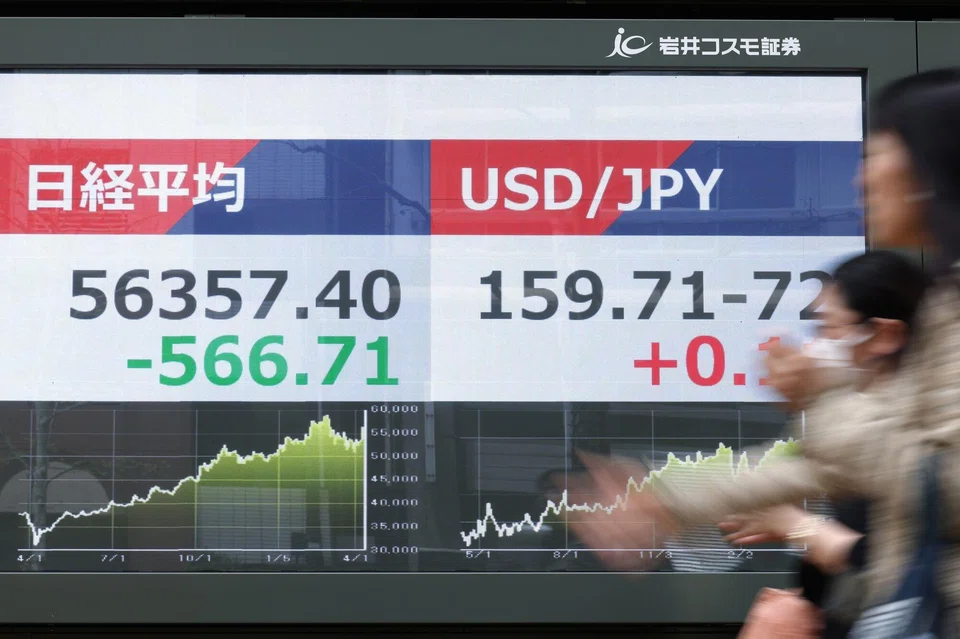
THE US dollar-Japanese yen currency pair, commonly known as USD/JPY, is one of the most actively traded foreign exchange pairs globally. The currency pair is closely watched because of its sensitivity to US-Japan yield differentials, energy prices and official intervention risks.
Recent price action has remained volatile as the USD/JPY pair tested the psychologically important 160 level, a zone widely viewed by markets as a potential trigger point for Japanese foreign exchange intervention. Reuters reported that Japanese authorities intervened to support the yen after USD/JPY hit 160.8 on Apr 30, its highest level since July 2024 before reversing sharply towards 155.5.
From a macro perspective, the yen remains under pressure in the medium term. Elevated oil prices weigh on Japan’s terms of trade, raising demands for the US currency to pay for energy, as Japan sources around 70 per cent of its oil imports through the Strait of Hormuz. This makes the yen sensitive to geopolitical risks surrounding the region. In April, the Bank of Japan held its short-term policy rate unchanged at 0.75 per cent, although three board members dissented in favour of a rate hike to 1 per cent, which signals concerns over inflation.
From a technical perspective, the USD/JPY is currently testing a medium-term upward-sloping support trendline established since April 2025. The broader price structure also resembles an ascending triangle, with rising lows pressing against horizontal resistance around 160.8 to 161.9. This suggests that the medium-term trend has not been invalidated, although the latest failure to sustain gains above 160 indicates fading buying momentum near the upper boundary of the triangle.
In the short term, the 154.0 to 155.5 zone forms an important support area, overlapping with the rising trendline and the 61.8 per cent to 76.4 per cent Fibonacci retracement zone of the rally drawn from the 152.3 swing low on Feb 8, 2026, to the 160.8 high on Apr 30. A sustained hold above this zone would suggest that the pullback remains corrective within the broader uptrend structure. In this scenario, USD/JPY could retest resistance near 160.8, with a breakout bringing the 161.9 historical high back into focus.
A break below the uptrend line, however, would weaken the bullish setup and open room towards 152, followed by 147, and signal the possibility of a wider swing move. Momentum indicators also point to a corrective phase, as the stochastic indicator has turned lower after the signal line crossed above the main line in the overbought region, suggesting fading upside momentum.

In summary, a hold above 155 would keep the USD/JPY’s medium-term uptrend intact and support another challenge of the 160.8 to 161.9 resistance zone, although renewed intervention risk may keep further upside volatile. However, downside risk could increase if progress is made in US-Iran negotiations and the US-China summit. A reopening of the Strait of Hormuz and easing oil prices would also help relieve pressure on the yen. A break below 154 would suggest a downside breakout towards 152.
The writer is strategist at Phillip Nova
Decoding Asia newsletter: your guide to navigating Asia in a new global order. Sign up here to get Decoding Asia newsletter. Delivered to your inbox. Free.
Share with us your feedback on BT's products and services