

Volatility in commodity prices likely to rise in run-up to US election
Gold and oil are tipped by analysts as a hedge against uncertainty


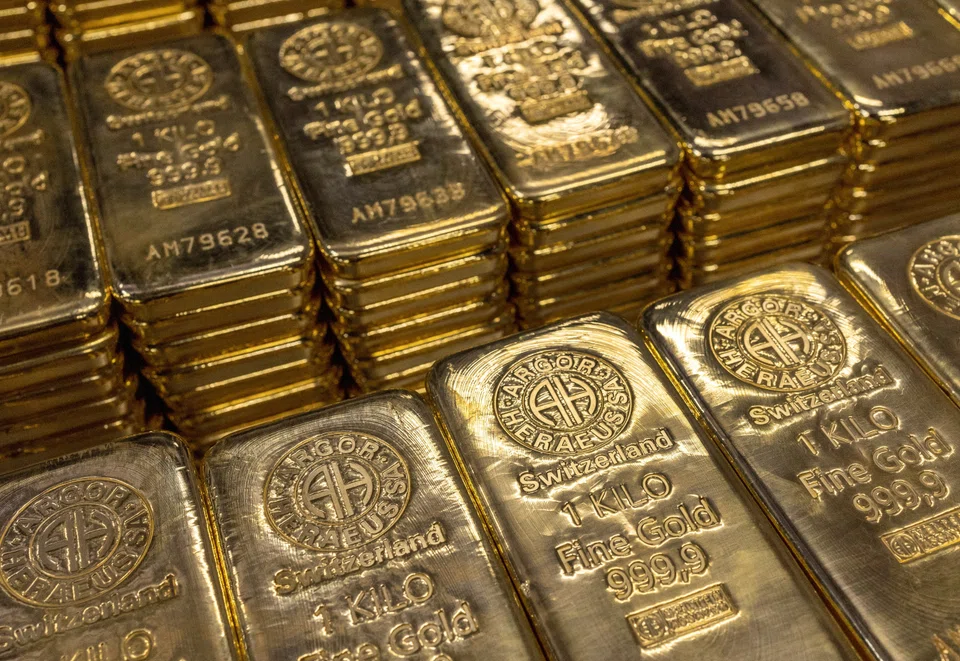
WHILE commodity prices have seen some volatility this year, analysts are expecting that to increase closer to the US elections in November 2024.
Gold and oil are tipped by analysts as a hedge against uncertainty, as former US president Donald Trump could make a return to the White House.
Gold has outpaced most major asset classes in 2024, being a beneficiary of continued central bank buying, recording all-time highs in May of around US$2,449.89 per ounce. Returns on gold were around 12.7 per cent as at Jun 28 this year, said the World Gold Council, outperforming that of emerging market stocks, or other commodities such as cocoa, coffee and copper.
Since then, spot gold prices have risen to the higher end of US$2,300 per ounce in July.
Copper futures soared to US$11,000 per tonne in May, after trading in the US$8,200 to US$8,600 range. Comparatively, copper futures yielded only a 10.2 per cent increase as at Jun 28.
Oil, among the energy commodities, has also seen volatility this year, with Brent having risen around 9 per cent this year.
Some of the factors include rising geopolitical tensions in the Middle East, as well as supply cuts by the Organization of the Petroleum Exporting Countries and its allies, known as Opec+. The volatility could be exacerbated by an active hurricane season in the Atlantic, said Juan Fuentes, economist at Moody’s Analytics.
But any shortage could be tempered by demand which is forecast to be relatively weak, while supply continues to grow from non-Opec+ sources led by Canada, Brazil, the US and Guyana.
Unless there is stronger than anticipated demand from China or other economies, Brent is likely to stay below US$100 per barrel. “It would be in Opec’s best interest to keep prices below the US$100 per barrel mark to avoid a new world recession,” said Fuentes.
For now, oil prices will continue to remain at an elevated US$80 to US$90 per barrel range, with Opec+ likely to support a price floor, said Niu Shenglan, senior analyst at Rystad Energy.
Trump scenario
With a possible return of Trump as US president, energy and precious metals’ prices might turn more volatile amid the uncertain environment.
Heng Koon How, head of markets strategy of UOB, highlighted that one of Trump’s desired policy settings include a universal tariff on global exports to the US. This might trigger a new round of global supply chain disruptions, potentially keeping prices of energy and industrial metals elevated.
If Trump continues with policies such as that of increasing tariffs and cutting taxes, this may lead to increased inflation and even result in the US Federal Reserve pausing in its plan to cut rates, said Bank of Singapore’s commodity and currency strategist Sim Moh Siong.
This would then affect dollar strength, indirectly affecting commodities, said Sim.
Heng added: “Furthermore, Trump’s much-published desire to pull the US out of Nato will have the effect of prolonging the conflict in Ukraine and potentially keeping energy prices supported as well.”
Some market watchers point to oil prices generally rising in the winter months. Morningstar’s equity research team commented that winter energy demand usually peaks around January, when Inauguration Day takes place. “So, oil prices aren’t driven by election outcomes as much as the public believes,” said the team.
Unless Trump is able to stop the Russia-Ukraine conflict on the second day of his presidential term, Rystad’s Niu noted, any policy impact is only likely to be felt in the medium to long term, with less effect on short-term trading.
For a hedge on possible volatility in energy, Morningstar’s equity team recommends undervalued exploration and production companies which have direct exposure to oil and gas prices.
Another looming concern of Trump’s return is the possible erosion of the Fed’s independence. The central bank’s ability to set monetary policy without political oversight plays a key role in supporting the US dollar as the world’s reserve currency.
“If the investors feel that the Fed cannot do the right thing for the economy, they might lose confidence in the dollar,” said Bank of Singapore’s Sim, noting that gold prices will be even more elevated.
Year to date, spot gold prices have gained around 15 per cent to US$2,382.93 per ounce as of 1.45pm on Thursday (Jul 11). Analysts expect prices to continue rising in the light of inflation risks and fiscal concerns, as gold remains a safe-haven asset during times of uncertainties.
Heng said: “Irrespective of who wins the US presidential election, global investors will likely increase their scrutiny of the increasingly fragile state of US fiscal finances with the elevated rise in debt load.”
He expects gold prices to climb further to new highs of US$2,500 per ounce by Q4 2024, and US$2,700 per ounce by Q2 2025.
Although short-term market volatilities may be expected around the US election cycle, asset-class performance will still be influenced by the overall economic growth, inflation and monetary policy backdrop, noted OCBC’s Asean economist Jonathan Ng.
TRENDING NOW

Two Singapore-listed palm oil firms named in Greenpeace report on Indonesian plantation fires

Singapore Airlines flight returns to San Francisco after ‘unruly’ passenger incident

Singapore looking into which companies responsible for haze-causing fires: PM Wong
Deluge IPO 3.86 times subscribed ahead of SGX debut

