

Weakness in ferrous metal prices expected to persist amid China’s property, economic recovery woes
A sluggish Chinese economy has dampened the industrial metal markets, particularly the demand for iron and steel

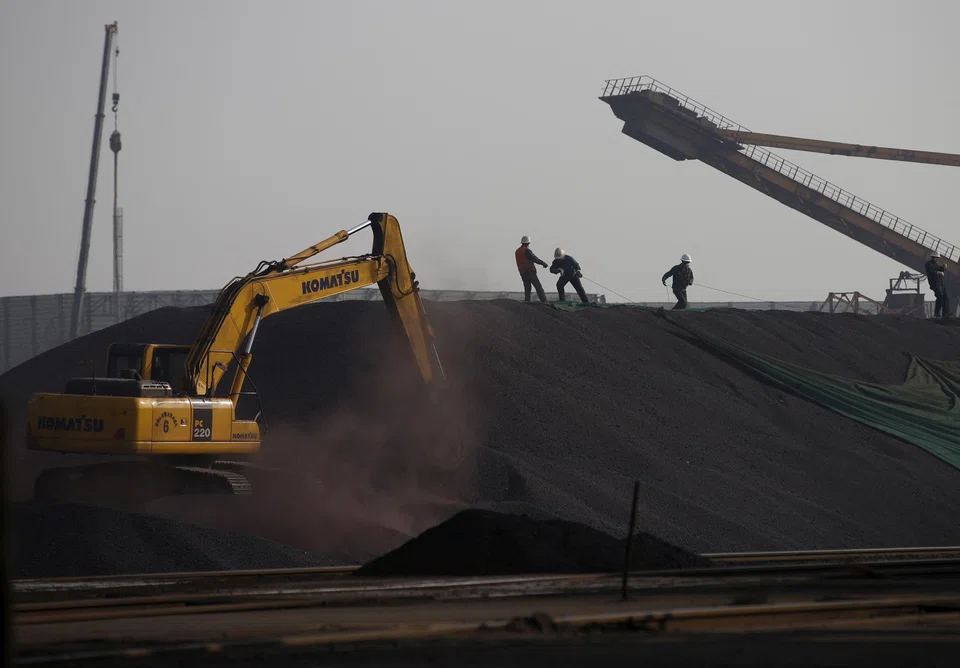
FERROUS metal prices are taking the hardest hit, analysts said, as concerns over a slow economic recovery and prolonged real estate woes in China – the world’s largest industrial metals consumer – weigh on the metal markets.
Prices of ferrous metals, including iron ore and steel, have experienced notable losses in the year to date.
Spot prices of iron ore with the benchmark 62 per cent grade for delivery to China dropped below US$100 per tonne in August – marking the lowest level in 20 months.
On average, spot iron ore prices stood at around US$114.30 per tonne in 2023, up 1.3 per cent year-on-year.
In the futures market, SGX TSI Iron Ore 62 per cent futures prices are currently hovering just above US$100 per tonne, after logging a one-year low of US$92.01 per tonne on Aug 16.
Prices of Mysteel Shanghai rebar futures have also logged significant losses, falling to US$452 per tonne as at Aug 30, from US$569 per tonne at the start of the year.
“Ferrous metals including iron ore and steel are facing the worst brunt of the real estate sector woes in mainland China, as these metals are mainly used in construction,” said Sabrin Chowdhury, head of commodities research at BMI.
BHP Group, the world’s biggest miner, on Aug 28 flagged concerns over China’s steel industry slowdown, shifting focus from iron ore to copper and potash.
Top iron ore buyer China Baowu Steel Group also warned of stress over fading demand after decades of growth.
China has been a key player in the global steel market since the country’s aggressive industrialisation and property market boom. However, demand for the alloy has slipped by more than 10 per cent since 2020.
In the first six months of this year, apparent steel consumption in China amounted to 478.7 million tonnes, down 3.3 per cent on year.
It is expected that China’s total apparent steel consumption in 2024 could fall below 900 million tonnes, said Wang Yingsheng, chief economist of the China Iron and Steel Association, at Mysteel’s semi-annual conference.
Alastair Munro, senior base metals strategist of Marex, noted that iron ore port inventories have sat at record levels, reflecting an overcapacity of steel, which is made from iron ore.
While iron ore prices have rebounded in the past week, Munro noted that the gains were mostly due to the covering of short positions.
“The negative (factors) remain, and in the short term at least, iron ore should struggle to maintain gains amid a worldwide glut,” said Munro. He noted that the upside risk to this outlook is whether Beijing’s proposal of allowing local governments to issue special bonds for purchasing unsold properties can reduce the glut of China’s housing stock.
BMI has recently revised down its 2024 iron ore price forecast from an annual average of US$120 per tonne to US$110 per tonne. This was driven by the subdued import demand by mainland China amid its ongoing property downturn, on top of healthy supply.
“We expect negative sentiment over the sluggish mainland Chinese property sector – the downfall of which now looks irreversible – to persist, further capping prices,” BMI said in a report.
The US$110 per tonne forecast, at the same time, suggests prices would improve from current levels towards the end of the year, given potential small upside upon stimulus announcements from China, the research house noted.
Over the long run, however, it expects iron ore prices to follow a multi-year downtrend, declining to US$78 per tonne by 2033.
Industrial metals outlook
BMI’s Chowdhury noted that while all industrial metals are affected by weak sentiment surrounding mainland China’s economy and real estate sector decline, the drawdowns of most metal stocks on the Shanghai Futures Exchange since July are largely seasonal.
“Economic activity tends to pick up over July-October in China,” said Chowdhury.
Marex’s Munro, on the other hand, is positive on China’s growth outlook in the long run.
“Whilst we remain concerned around China’s outlook in the short term, some of those portents of doom are exaggerated in our opinion. China will remain a driver of world growth in the years ahead,” he noted.
Natalie Scott-Gray, senior metals analyst of StoneX, noted that base metals such as copper, aluminium and zinc also have large exposure to the construction industry. “For all three of these metals, construction is the single largest end-use of demand in China,” she said.
However, their exposure to other end-use sectors, including renewable energy, data centres and power grids, helps to cushion the impact of China’s construction slump, Scott-Gray noted.
Other than China’s demand, which plays a key factor in moving industrial metals prices, industry watchers are also keeping a close eye on the US Federal Reserve’s monetary policy and US dollar strength.
“We expect industrial metal prices to rise slightly from current levels for the remaining months of 2024, as a weaker US dollar supports demand and thus prices of commodities priced in the greenback,” said BMI’s Chowdhury.
She noted that the potential upcoming September US rate cut will lower borrowing costs, which would increase demand from new projects in areas such as infrastructure and renewable energy – and in turn drive demand for industrial metals.
Marex’s Munro highlighted the likelihood of a soft landing of the US economy, which would be positive for metal markets.
“While a bifurcation of the world’s two leading economies is not positive… the world’s economic engine continues,” said Munro, highlighting that the result of the US presidential election remains a concern on the horizon.
TRENDING NOW

From legacy to launch: Francis Yeoh and Yeoh Pei Xien on family unity and YTL’s next‑gen ventures

Things to know about DBS’ incoming chairman Anthony Lim

Wealthy Indonesians snap up government bonds as yields near 8%: OCBC

From local AI partnerships to global opportunities: How MNCs help Singapore firms scale

