

What it takes to build a sustainable data centre for the AI era
From factory-built modules to on-site water treatment, Bridge Data Centres is building sustainability into every stage of a data centre’s life
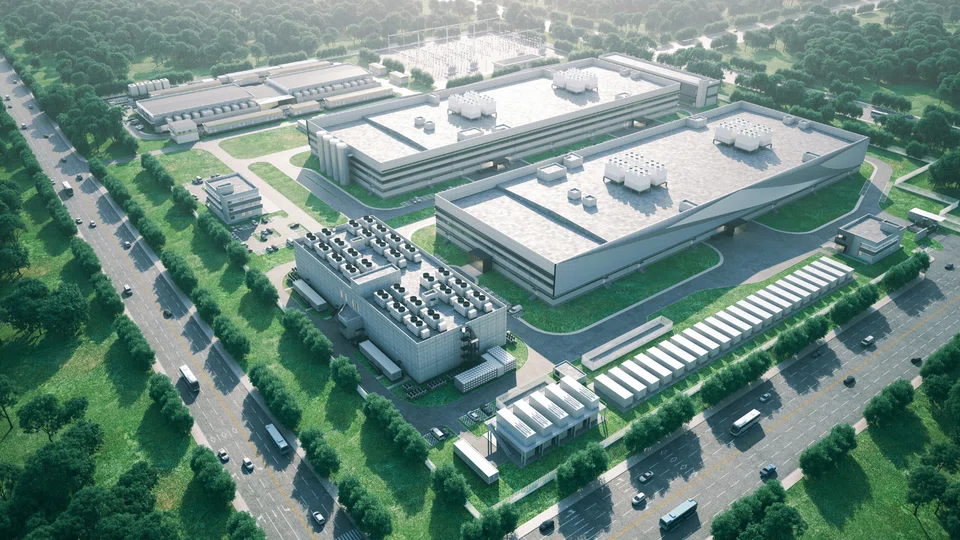
AS ARTIFICIAL intelligence and cloud computing reshape how economies grow, data centres have become essential infrastructure. They enable economies to connect, businesses to innovate and communities to take part in a more digital future.
For Bridge Data Centres (BDC), this means building data centres to provide the digital infrastructure that supports growth across Asia-Pacific and beyond. Chief executive officer Eric Fan says the company aims to meet rising demand while helping define what responsible digital infrastructure should become.
That makes sustainability a core part of BDC’s growth strategy, he adds. Sustainability shapes every stage of a data centre’s life, from site selection and design to construction, energy and water sourcing, and daily operations.
The company’s latest Sustainability Report shows what this looks like in practice. For instance, at BDC’s MY06 campus in Johor, Malaysia, a large part of the data centre was built off-site before it reached the site.
BDC utilised Prefabricated Prefinished Volumetric Construction (PPVC), where data centre modules were made and tested in factories, then installed on the campus. MY06 was completed 40 per cent faster than with traditional methods, with less waste and noise produced on site. BDC was the first data centre developer in South-east Asia to adopt PPVC.
When the campus was running, BDC’s operations team lowered fan speeds and raised the temperature set point by one degree on air-conditioning units in an electrical equipment room. Energy used to cool that room fell by nearly a quarter. MY06 now runs at an annualised Power Usage Effectiveness (PUE*) below 1.2.
The MY06 campus also made BDC the first data centre operator to receive the BCA Green Mark Platinum award for a facility outside Singapore. BDC has since signed a Memorandum of Understanding with BCA International to support the adoption of Singapore’s Green Mark standards in global data centre developments.
AI adds pressure. Each rack holds more computing power and produces more heat. BDC designs cooling – from air to liquid cooling – to suit each site’s climate and water supply.
BDC has put numbers against these ambitions. Its near-term emissions targets, validated by the Science Based Targets initiative, call for it to cut absolute Scope 1 and Scope 2 emissions by 42 per cent by 2030, from a 2024 base year. It is also committed to 100 per cent renewable electricity by 2040 under RE100.
These targets, along with projects such as MY06, are set out in BDC’s 2025 Sustainability Report, which is prepared with reference to the GRI Standards and IFRS S2 Climate-related Disclosures.
Fan says the next generation of data centres “must deliver scale and reliability, but they must also be more efficient in energy use, more thoughtful in water management, more resilient to climate and operational risks”.
Renewable energy and water treatment for greener data centres
Several of BDC’s projects focus on the two areas Fan highlights: energy and water.
In Malaysia, BDC was the first data centre operator to sign a 400 MW agreement with the national utility under the Corporate Renewable Energy Supply Scheme. The agreement is for its MY07 campus in Johor, Malaysia.
BDC completed its inaugural hydrotreated vegetable oil (HVO)-powered backup fuel pilot in Asia-Pacific at one of the company’s data centre campuses. The pilot demonstrated that HVO can be used as a cleaner alternative to conventional diesel for critical data centre backup power systems. Produced from waste-based feedstock, HVO requires no equipment changes and can cut greenhouse-gas emissions by up to 90 per cent.
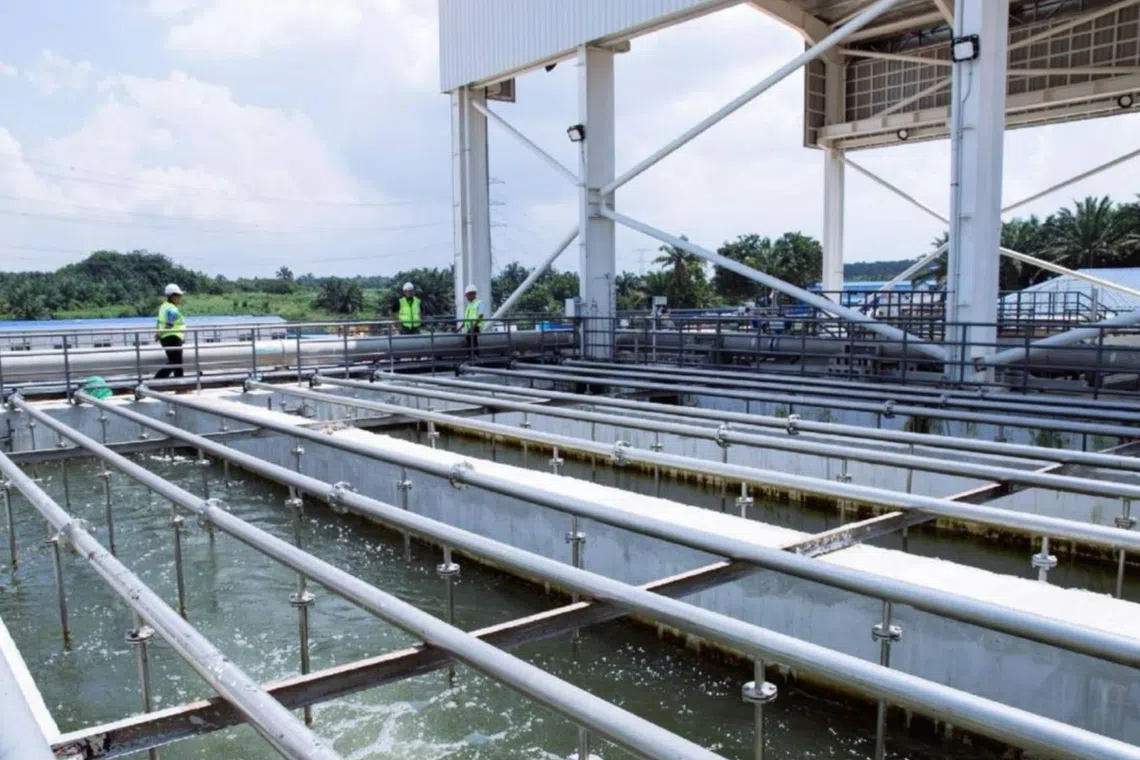
At MY07, BDC built Malaysia’s first water treatment plant within a data centre site. Using membrane bioreactor and reverse osmosis technologies, the plant treats effluent into high-grade water for cooling. Running since 2025, it reduces the campus’s reliance on potable water by up to 40 per cent.
BDC has also endorsed the UN Global Compact’s CEO Water Mandate.
Training and talent development in data centre operations
Data centres depend on specialised skills. BDC brings together an international team with expertise in engineering, critical operations, safety management and customer delivery.
The company invests in building those skills. Training reaches every BDC employee, from leadership development and technical certifications to education sponsorships for staff pursuing degrees. Total training hours more than doubled year-on-year.
In Malaysia, BDC works with institutes of higher learning to grow local talent. Its Management Trainee Programme prepares engineering graduates for roles in critical operations.
Diversity is part of that strength. Women hold a third of C-suite leadership roles and close to a third of senior management positions. BDC is a signatory to the Women’s Empowerment Principles, established by UN Women and the UN Global Compact, and sees diverse leadership as a driver of balanced decision-making.
“BDC will continue to build with purpose and discipline,” says Fan. “We will invest in technologies that improve reliability and efficiency, strengthen our climate and resource management, enhance transparency and work with partners to scale practical solutions.”
Find out more about BDC’s sustainability efforts in its 2025 Sustainability Report.
*PUE measures how much total power a facility uses for each unit that reaches its IT equipment. The closer to 1.0, the more energy efficient. PUE is the standard industry metric used to measure data centre energy efficiency, defined by ISO 30134-2.

Share with us your feedback on BT's products and services






