

Why disciplined stewardship matters when managing wealth in uncertain markets
UOB Private Bank's Chew Mun Yew on how discretionary portfolio management frees investors from day-to-day decisions, while keeping their money working to plan as markets shift
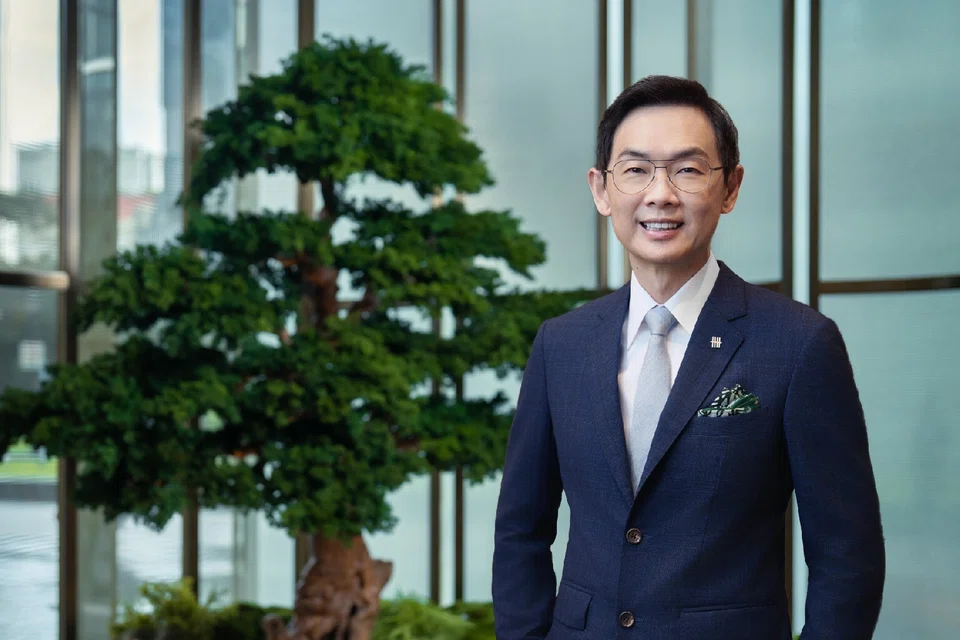
MARKETS are moving faster, often in unpredictable ways. For affluent investors, the challenge extends beyond selecting individual investments. Portfolios may span different markets, asset classes and generations, and have to be managed with both immediate risks and longer-term priorities – such as broader legacy and succession plans – in mind.
Against this backdrop, discretionary portfolio management (DPM) is gaining greater relevance. With DPM, professional managers have the authority to make timely portfolio changes without having to spend time seeking approval for every trade. The greater agility can help investors better respond to market shifts, and capture opportunities as they come.
The effectiveness of this approach, however, depends on how each decision is made. At UOB Private Bank, DPM is underpinned by a values-led approach, where clients’ long-term interests guide portfolio decisions alongside disciplined execution and prudent risk management.
Chew Mun Yew, managing director and head of UOB Private Bank, explains how these principles guide the bank’s DPM offering and give clients the confidence to stay invested through changing market cycles.
Q: UOB Private Bank was recently named Singapore's Best for DPM for the second consecutive year. What do you believe sets your approach apart?
Our starting point is stewardship. As a third-generation bank, we manage wealth as we would our own. Clients entrust us with capital that may have taken decades to build and that often has to serve several generations. Our approach to wealth management is values-led, anchored in responsibility, prudence and excellence. We begin by understanding what they want their wealth to achieve, then construct portfolios around their risk appetite, objectives and investment horizon.
The approach is supported by disciplined execution and rigorous risk management. We focus on preserving and growing wealth over the long term, rather than being distracted by short-term market movements. The two consecutive Euromoney awards recognise the consistency of this approach and the trust clients have placed in us.
Q: Why are more affluent investors turning to DPM rather than managing investments themselves?
Markets are increasingly complex and fast-moving. For individuals, following developments continuously, assessing their portfolio implications and acting at the right time can be demanding. Volatility can also make it difficult to separate a considered decision from an emotional response.
DPM delegates day-to-day investment decisions to professional portfolio managers within parameters agreed with the client. Dedicated specialists oversee portfolio construction, monitoring and risk management, and can implement changes without requiring the client’s approval for every trade. This helps remove emotion from decision-making while providing continuous professional oversight.
This arrangement may suit clients who want their wealth actively managed but do not wish to make every investment decision themselves. It can also provide peace of mind, as clients know that a dedicated team is watching their portfolio and remains focused on the long-term outcomes agreed with them.
Q: In an era of artificial intelligence and data-driven investing, what role does human judgment continue to play in portfolio management?
Data and artificial intelligence can support research, analysis and continuous monitoring. They can help investment professionals process information and identify developments that warrant closer attention. But information alone does not constitute an investment decision.
Human judgment remains essential in interpreting information in context, challenging model outputs and assessing risks that data may not fully capture. As market conditions shift, experienced professionals are still needed to weigh what the data shows against a client’s objectives, risk appetite and investment horizon.
Technology should therefore support, rather than replace, human judgment and accountability. Portfolio decisions remain guided by our disciplined investment process and risk controls. The responsibility for those decisions continues to rest with experienced investment professionals.
Q: One of the key advantages of DPM is the ability to act quickly. How does UOB combine agility with disciplined decision-making?
Agility is valuable only when it is exercised within a clear investment and risk-management framework. Our DPM specialists continuously monitor portfolios and market conditions, and take quick action while keeping each decision anchored to the client’s objectives.
The US-Iran conflict provides one example. When the conflict broke out, the DPM team reduced equity exposure and raised portfolio cash levels, helping to cushion portfolios against heightened volatility and downside risks.
When diplomatic negotiations began and signalled that both sides were willing to de-escalate, the team redeployed capital, reducing cash holdings. This repositioning enabled clients to participate in the subsequent market recovery.
This approach allows us to act decisively as conditions change, without reacting impulsively to every market movement.
Q: As markets remain volatile and investment decisions become more complex, how do you see the role of discretionary portfolio management evolving?
We believe disciplined stewardship will become even more relevant. As clients’ wealth and needs grow more complex, they need consistent professional oversight that remains focused on their long-term objectives through changing markets.
DPM’s value lies not only in responding to volatility, but also in helping clients avoid emotion-led decisions and remain invested according to an agreed plan.
Delivering that value consistently depends on having a deep understanding of the client, a disciplined investment framework, continuous monitoring and prudent risk management. Above all, trust will remain central. Our responsibility is to protect that trust by managing clients’ wealth with purpose and discipline through market cycles and across generations.
Learn more about discretionary portfolio management here.
This article is for general information only and does not have any regard to the specific investment objectives, financial situation and particular needs of any specific person. This article shall not be regarded as an offer, recommendation, solicitation or advice. You may wish to consult your own professional advisers about this article. Any past events, trends and/or performance referred to in this article may not necessarily be indicative of future events, trends or performance. This article is based on certain assumptions and reflects prevailing conditions as at the time of publication, which are subject to change at any time without notice. United Overseas Bank Limited makes no representation or warranty of any kind, whether express, implied or statutory, in respect of this article and accepts no liability or responsibility for the completeness or accuracy of this article or any error, inaccuracy or omission relating to this article and/or any consequence, injury, loss or damage howsoever suffered by any person relating to this article, in particular, arising from any reliance by any person on this article.

Share with us your feedback on BT's products and services
TRENDING NOW

He built the Vingroup empire. Now South-east Asia’s richest man is handing some key roles to his sons
Quarter of Singtel special discounted shares sold ahead of CPF Board transfer

Why Tan Aik Keong of digital solutions specialist Agmo wants to make himself less indispensable

Asia needs new energy security architecture

