Why Tata Sons’ leadership crisis comes at a critical moment
Chairman Natarajan Chandrasekaran’s decision to step down can impact the company’s plans for a costly investment in chip manufacturing
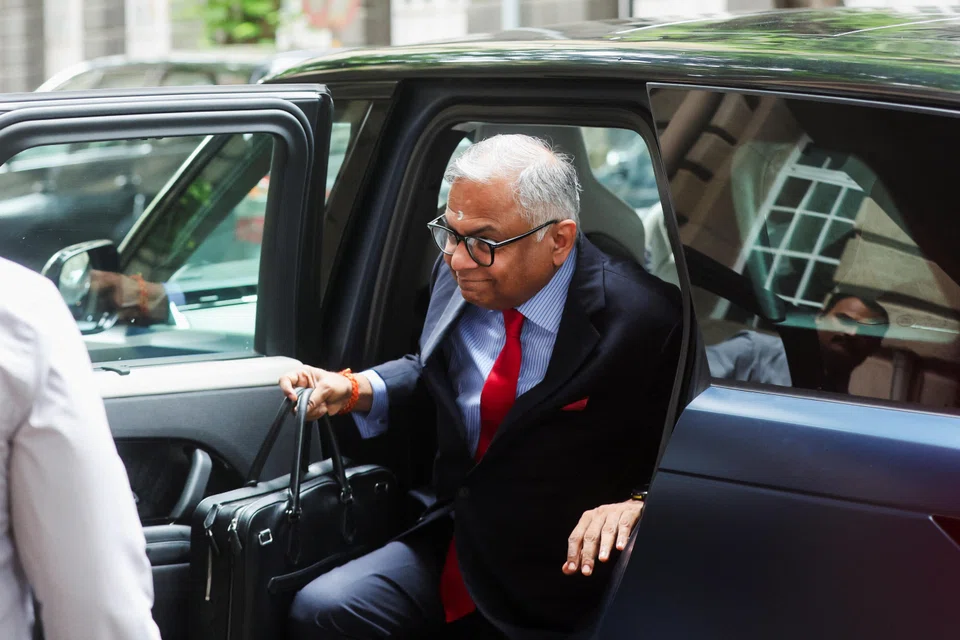
[MUMBAI] Natarajan Chandrasekaran’s decision to step down as chairman of Tata Sons marks a pivotal moment for India’s largest conglomerate.
As a holding company overseeing vast operations in software, steel, power and aviation, Tata Sons faces an unexpected leadership transition at a time when it is planning a costly investment in chip manufacturing. Chandrasekaran’s sudden departure follows a prolonged board impasse over the extension of his tenure, after a dissenting director refused to back his reappointment ahead of Tata Sons’ annual meeting.
What is Tata Group?
Tata Group is India’s oldest conglomerate. Its businesses are among the country’s most influential, spanning cars, steel, software, airlines and hotels. The 32 companies under the Tata Group umbrella had combined revenue of about US$170 billion during the 12 months ended March 2026.
The company is at the helm of the country’s push into high-tech businesses, with plans to expand production of Apple iPhones in addition to semiconductors.
Founded nearly 160 years ago by Jamsetji Tata, the group currently has 26 publicly listed Tata companies.
What role does Tata Sons play?
Tata Sons is the holding company for all of Tata Group’s businesses, including Tata Motors Passenger Vehicles, which owns Jaguar Land Rover. It also serves as an incubator for newer businesses, including Air India, battery maker Agratas, Tata Electronics and Tata Digital, the operator of online grocery service Big Basket.
About 66 per cent of Tata Sons is controlled by Tata Trusts, a collective of 13 charities, while Tata Group companies hold about 13 per cent of Tata Sons. Tata Trusts is headed by Noel Tata, who took over in October 2024 after the death of Noel’s half-brother, Ratan Tata, the enterprise’s patriarch and one of India’s most prominent business executives. Tata Sons reported revenue of 423.67 billion rupees (US$4.44 billion) for the 12 months ended March 2026.
Who is Natarajan Chandrasekaran?
Natarajan Chandrasekaran, or Chandra as he is commonly known, was the first non-Tata family member to lead Tata Sons. Handpicked by Ratan Tata, he spent 30 years at Tata Consultancy Services, eight of them as CEO.
During his tenure, he transformed the IT giant into India’s most valuable enterprise, gaining a reputation as a technocrat and a reliable pair of hands.
Over the past decade, his biggest success has been steering Tata Group into advanced technologies, including the manufacture of iPhones and electric vehicles. Under Chandra’s tenure, Tata Group’s 15 largest listed companies more than doubled their revenue to 12.3 trillion rupees in the year through March 2026 from six trillion rupees in the year through March 2017. Profit for this Tata cohort grew by over 360 per cent to 1.66 trillion rupees between those periods.
Over the past year, Chandra has been under pressure to lift the fortunes of the business, which has contended with a deadly Air India crash, a cyberattack on Jaguar Land Rover severe enough to dent the UK’s gross domestic product, and the growing threat that AI poses to TCS’s business. He has also been under pressure to deliver on one of his most ambitious bets – India’s first homegrown semiconductor chips.
Why is he stepping down?
Chandra announced on Wednesday (Aug 12) that he would step down as chairman of Tata Sons when his tenure ends in February. His decision follows a months-long stalemate over his reappointment, after a director withheld support for a term extension, amid broader disagreements over Tata Sons’ debt levels and whether the company should pursue a public listing.
The announcement comes just ahead of Tata Sons’ annual meeting on Aug 18, where shareholders were slated to vote on his reappointment to the board, a legal prerequisite for him to remain chairman. But it’s unclear whether the Tata Sons’ annual meeting can even take place because of a possible lack of quorum and need for regulatory approval.
How might Chandra’s resignation change the Tata Group?
Chandra’s departure is expected to have far-reaching implications across the Tata Group, escalating leadership questions at a highly sensitive juncture. Noel Tata has pressed Chandra to avoid a public listing of Tata Sons despite regulatory pressure. The Tata Trusts chairman has also expressed concern about Tata Sons’ debt levels.
With Chandra stepping down, the burden shifts to Noel Tata to reassure shareholders, market regulators and policymakers that the conglomerate can deliver on initiatives central to Indian Prime Minister Narendra Modi’s ambitions to turn India into a global technology and manufacturing powerhouse.
Who will decide on Chandra’s successor? Are there any candidates?
The timing of Chandra’s announcement appears to have come as a surprise to the Tata Sons board, which has yet to shortlist potential successors. Since Chandra plans to remain as chairman until February, the board has some breathing room; if a selection process is delayed, an interim chairman can be appointed to bridge the gap. BLOOMBERG
Decoding Asia newsletter: your guide to navigating Asia in a new global order. Sign up here to get Decoding Asia newsletter. Delivered to your inbox. Free.
Share with us your feedback on BT's products and services