Wilmar posts record H2 net profit of US$1.1b, to pay record full-year dividend
 Add BT as a preferred source
AGRIBUSINESS giant Wilmar International F34 on Tuesday (Feb 22) posted a net profit of US$1.1 billion for the second half of the fiscal year ended December 2021, up 23.4 per cent from earnings of US$923.6 million for the corresponding year-ago period.
This bumped up the group's earnings for the full FY2021 to US$1.9 billion, up 23.2 per cent from FY2020's earnings of US$1.5 billion. Profits for H2 and FY2021 were both record highs for the group since its listing, said Wilmar.
Excluding gains from non-operating items and changes in fair value of biological assets, Wilmar's core net profit for FY2021 was up 24 per cent to US$1.8 billion.
The better bottom line figures translated into sweeter payouts for shareholders. Wilmar's board has proposed a final tax-exempt dividend of S$0.105 per share. Including the interim dividend of S$0.05 per share paid out last August, the total dividend paid and proposed for FY2021 stands at S$0.155, the highest cash dividend paid out by the group since its listing.
The proposed dividend, if approved by shareholders at the company's annual general meeting, will be paid out on May 6, after the book closure date on Apr 28.
Revenue for H2 was up 30.1 per cent year on year to US$36.3 billion from US$27.9 billion, due chiefly to higher commodity prices during the period.
Navigate Asia in
a new global order
Get the insights delivered to your inbox.
Wilmar also benefited from higher sales volume for its medium-pack and bulk-food products and tropical oils segments, although growth was dampened by weaker oilseeds and grains and sugar merchandising sales.
Segmentally, Wilmar said its feed and industrial products segment had a strong showing, with profit rising 84 per cent to US$782.2 million in H2 due to good refining margins and sustained sales volume from midstream tropical oil operations, as well as steady contributions from sugar merchandising activities. These were, however, partially offset by thinner margins and weaker sales volume from soybean crushing activities as hog farming margins continued to remain weak, resulting in lower demand for soybean meals.
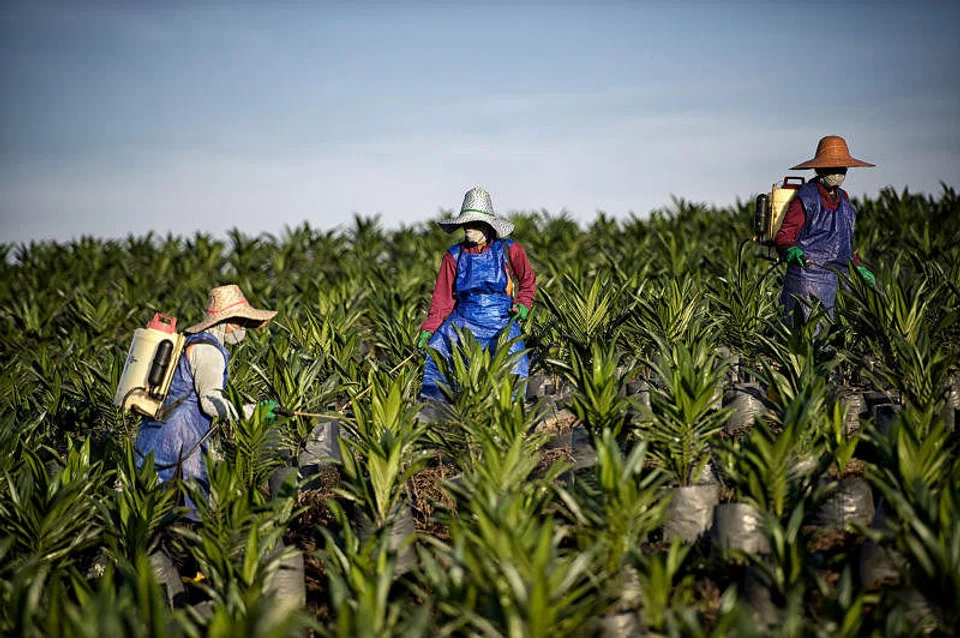
Higher palm oil and sugar prices also translated into growth for the group's plantation and sugar milling segment, the bottom line figures of which rose to US$400.1 million in H2, versus US$187.8 million in the year-ago period.
On the other hand, Wilmar's food products segment was hit by higher raw material costs, which outpaced selling price adjustments. This segment recorded a profit of US$252.6 million in H2, down from US$657.4 million in H2 FY2020.
Beyond Wilmar's core verticals, the group booked a pre-tax profit of US$38.5 million in other income for H2, versus US$100.7 million in the year-ago period, due to lower mark-to-market gains and investment income.
Looking ahead, Wilmar said it expects sales volume for its food products segment to grow as the company expands its plants and enters central kitchen businesses in China.
But the group is also bracing for higher soybean prices and poor hog farming margins in China. However, Wilmar said it expects its palm processing, palm plantation and sugar milling segment to perform well.
Barring unforeseen circumstances, Wilmar expects its results for FY2022 ending December this year to be "satisfactory".
Shares of Wilmar ended Tuesday at S$4.62, down 1.3 per cent or S$0.06.
Decoding Asia newsletter: your guide to navigating Asia in a new global order. Sign up here to get Decoding Asia newsletter. Delivered to your inbox. Free.
Copyright SPH Media. All rights reserved.