

WTI expected to extend losses following breakdown
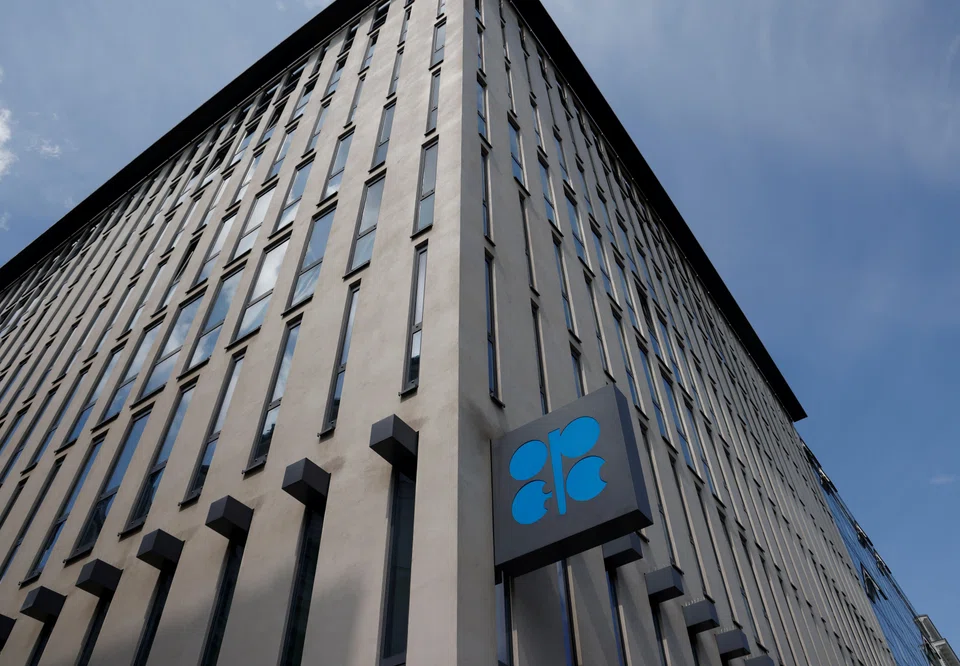
WEST Texas Intermediate (WTI) oil prices have continued to decline from their highs since reaching a peak of US$87.60 per barrel in mid-April this year, falling to their lowest levels since February following the Organization of Petroleum Exporting Countries and allies (Opec+) meeting held at the start of this month.
In the meeting, members signalled their intention to maintain 3.6 million barrels per day of production cuts until the end of the year, and begin tapering off 2.2 million barrels per day of production cuts starting from October this year. The market reacted bearishly to this announcement, with oil prices falling over 3 per cent.
Additionally, recent weak economic data from China has also weighed negatively on sentiment, compounding the price woes for oil. Weak Purchasing Managers’ Index (PMI) data from China raised concerns about demand. The country’s manufacturing PMI of 49.5 and non-manufacturing PMI of 51.1 for May both fell short of consensus estimates of 50.5 and 51.5 respectively.
From a technical perspective, WTI is likely to extend its current downtrend.
Firstly, the price action since the peak in mid-April has been weak, with the formation of lower highs and lower lows, accompanied by a breakdown from an uptrend channel.
In addition, the price has consolidated in a bear flag formation post-breakdown, with resistance holding out at the US$80 per barrel level, which aligns with the 200-day simple moving average (SMA).

Following the recent breakdown of the bear flag formation following the Opec+ meeting, WTI oil is expected to extend its losses towards the next key support level at US$70 per barrel, a level that provided support from the end of December 2023 to January this year.
The writer is research analyst, Phillip Securities Research
Decoding Asia newsletter: your guide to navigating Asia in a new global order. Sign up here to get Decoding Asia newsletter. Delivered to your inbox. Free.
Share with us your feedback on BT's products and services
TRENDING NOW

Two Singapore-listed palm oil firms named in Greenpeace report on Indonesian plantation fires
Singapore Airlines flight returns to San Francisco after ‘unruly’ passenger incident
Singapore looking into which companies responsible for haze-causing fires: PM Wong

Deluge IPO 3.86 times subscribed ahead of SGX debut

