

Yangzijiang Shipbuilding bags US$2.6 billion in contracts
This takes the group’s shipbuilding contracts to US$14.3 billion in the year to date

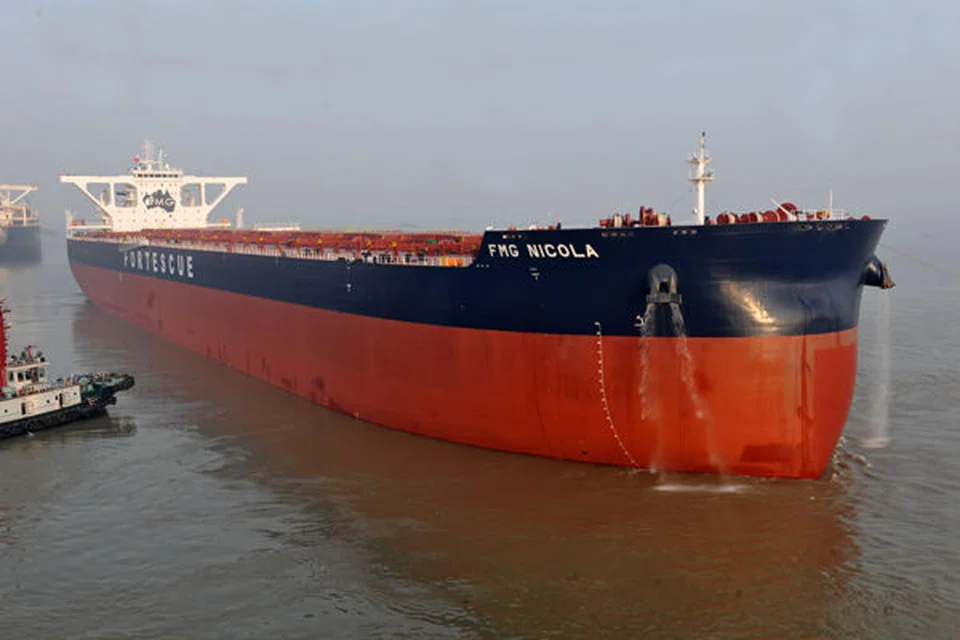
MARITIME vessel maker Yangzijiang Shipbuilding said on Monday (Dec 2) that it has secured another US$2.6 billion in shipbuilding contracts, taking its order wins to US$14.3 billion in the year to date.
The latest contracts are for 21 vessels: six units of liquefied natural gas dual-fuel 17,000 20-foot equivalent unit (TEU) containerships; six units of methanol dual-fuel 13,000 TEU containerships; four units of 39,000-dead weight tonnage (DWT) medium-range oil tankers; two units of 4,300 TEU containerships; and three units of 45,000-DWT bulk carriers.
The orders are primarily scheduled for deliveries between 2027 and 2029, and will not have a significant impact on the group’s earnings for the financial year ending Dec 31, 2024, said the mainboard-listed company in a bourse filing.
The announcement follows the group’s quarterly business update on Nov 7, in which it said it had secured US$11.6 billion of order wins in the year to date – exceeding its target of US$4.5 billion for the 2024 financial year.
The group said at the time that its robust order wins were fuelled by strong demand for dual-fuel containerships, oil tankers and gas carriers. The strong order book consequently brought revenue visibility up to mid-2028, it noted.
Stocks of Yangzijiang Shipbuilding closed at S$2.43 on Monday, up 0.8 per cent or S$0.02, before the announcement.
Decoding Asia newsletter: your guide to navigating Asia in a new global order. Sign up here to get Decoding Asia newsletter. Delivered to your inbox. Free.
Copyright SPH Media. All rights reserved.
TRENDING NOW

Government to bring forward raising of retirement age, give employers more financial support to create flexi-load jobs

Indonesia stocks suffer worst plunge in nearly 30 years as MSCI proposes standalone status
If Europe goes to war, the fallout will be felt in East Asia
Natural gas to stay for the long haul beyond 2050: Singapore International Energy Week panellists

