

Yangzijiang Shipbuilding bags US$2.6 billion in contracts
This takes the group’s shipbuilding contracts to US$14.3 billion in the year to date

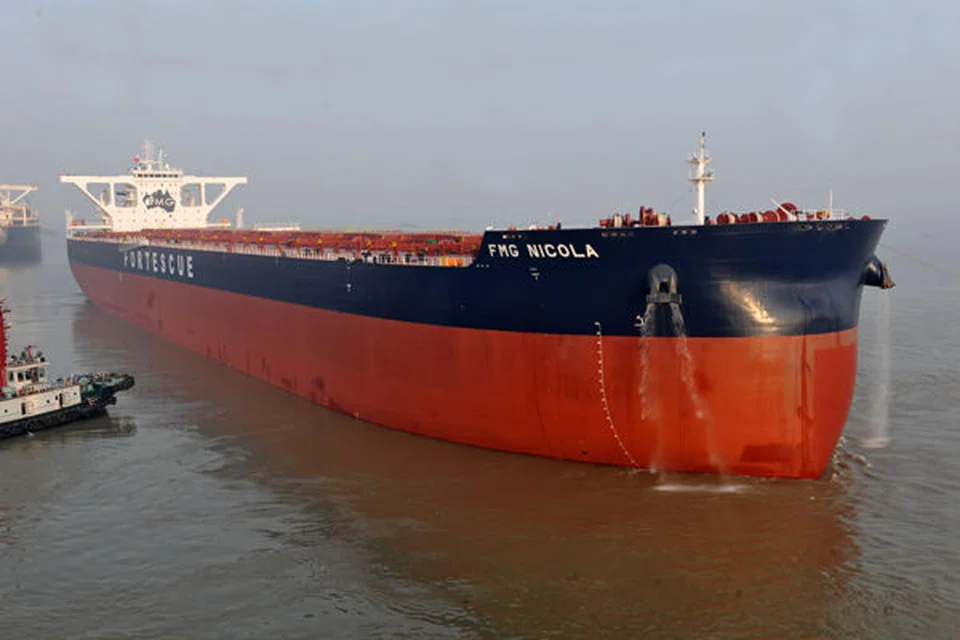
MARITIME vessel maker Yangzijiang Shipbuilding said on Monday (Dec 2) that it has secured another US$2.6 billion in shipbuilding contracts, taking its order wins to US$14.3 billion in the year to date.
The latest contracts are for 21 vessels: six units of liquefied natural gas dual-fuel 17,000 20-foot equivalent unit (TEU) containerships; six units of methanol dual-fuel 13,000 TEU containerships; four units of 39,000-dead weight tonnage (DWT) medium-range oil tankers; two units of 4,300 TEU containerships; and three units of 45,000-DWT bulk carriers.
The orders are primarily scheduled for deliveries between 2027 and 2029, and will not have a significant impact on the group’s earnings for the financial year ending Dec 31, 2024, said the mainboard-listed company in a bourse filing.
The announcement follows the group’s quarterly business update on Nov 7, in which it said it had secured US$11.6 billion of order wins in the year to date – exceeding its target of US$4.5 billion for the 2024 financial year.
The group said at the time that its robust order wins were fuelled by strong demand for dual-fuel containerships, oil tankers and gas carriers. The strong order book consequently brought revenue visibility up to mid-2028, it noted.
Stocks of Yangzijiang Shipbuilding closed at S$2.43 on Monday, up 0.8 per cent or S$0.02, before the announcement.
Decoding Asia newsletter: your guide to navigating Asia in a new global order. Sign up here to get Decoding Asia newsletter. Delivered to your inbox. Free.
Copyright SPH Media. All rights reserved.






