

Yen slips to 7-year low following BOJ move
New York
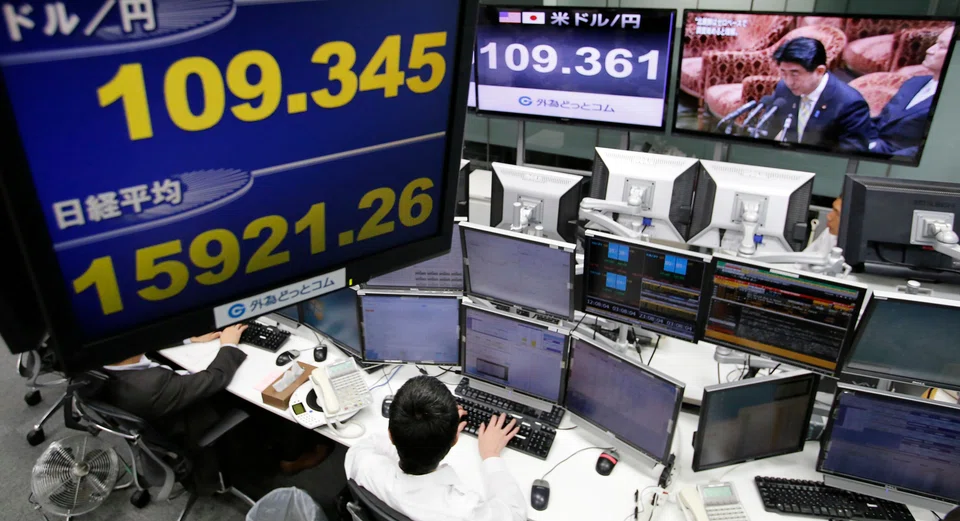
THE yen tumbled to its weakest level in almost seven years after the Bank of Japan (BOJ) unexpectedly boosted monetary stimulus, underscoring the widening gulf in monetary policy with the Federal Reserve.
The Japanese currency fell versus the US dollar for a fourth month, the longest skid since December, amid speculation reforms to the US$1.1 trillion state retirement fund will encourage flows out of the yen. The US dollar climbed to a more than four-year high after the Fed ended asset purchases that have supported the economy since 2008. A government report next week is forecast to show that the US added 235,000 jobs in October.
"We've finally seen the policy-divergence trade come home to roost," said Joe Manimbo, a market analyst in Washington at Western Union Business Solutions, a unit of Western Union Co. "The one-two punch in terms of policy, that really runs the risk of seeing this downtrend for the yen play out further in the coming weeks."
The yen touched 112.48 per US dollar, the lowest since December 2007, before ending the month down 2.4 per cent at 112.32. The US dollar rose for a fourth month against the euro, the longest rally since June 2010, gaining 0.8 per cent to US$1.2525. It touched US$1.2486, the strongest since August 2012. The euro advanced 1.6 per cent in October to 140.68 yen.
The Bloomberg Dollar Spot Index, which tracks the currency against 10 major peers, rose 0.9 per cent to close the month at 1,080.84, the highest since June 2010.
The US dollar advanced against most of its 31 major peers in October as the Fed finished a programme of bond buying on schedule, taking the US closer to its first interest-rate increase in eight years.
The central bank highlighted "solid" job gains and a falling jobless rate in its statement on Oct 29, while pledging to maintain borrowing costs at a record low for a "considerable time".
The yen plunged after the BOJ said it plans to expand the monetary base by 80 trillion yen (S$915 billion) a year, up from a previous 60 trillion to 70 trillion yen.
Officials also unveiled reforms to the Government Pension Investment Fund that increased allocations to stocks and overseas assets by more than expected. Japan's public retirement-savings manager will put half its holdings in local and foreign stocks and reduce domestic bonds to 35 per cent of assets from 60 per cent. BLOOMBERG






