

Yen soars to 4-month high after surprise BOJ policy tweak
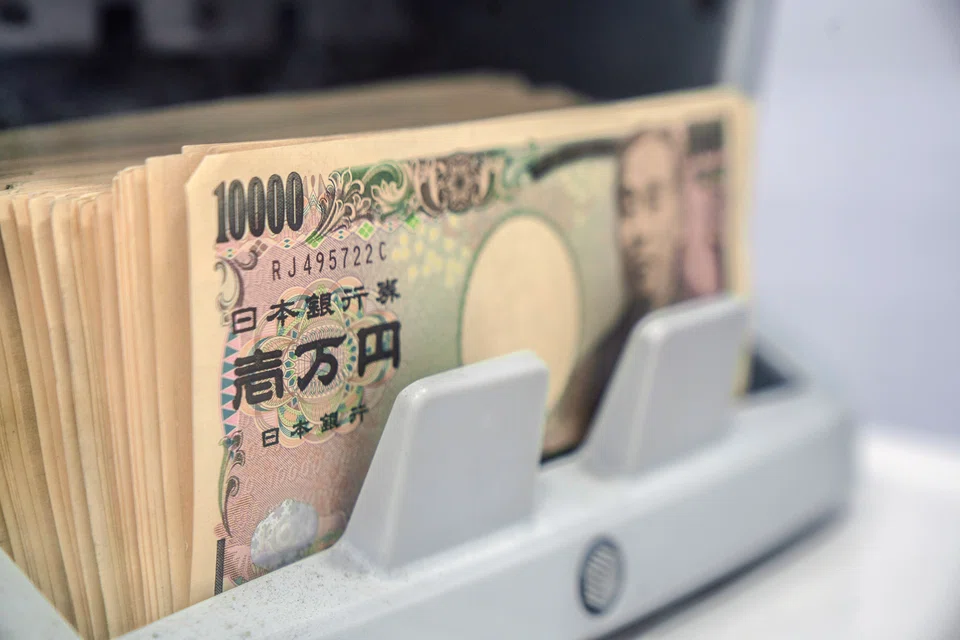
THE yen surged to a four-month peak against the dollar on Tuesday (Dec 20) after the Bank of Japan stunned markets by deciding to review its yield curve control policy and widen the trading band for the 10-year government bond yield.
While it kept broad policy settings unchanged – pinning short-term JGB yields at -0.1 per cent and the 10-year yield around zero – the BOJ decided to let long-term yields to move 50 basis points either side of its 0 per cent target, wider than the 25 basis point band previously.
The dollar last traded 3.17 per cent weaker at 132.56 yen. It hit a low of 132 yen, a level last seen in mid-August.
Most BOJ watchers had expected no changes until the current governor Haruhiko Kuroda’s 10-year term ends at the end of March.
“This was really out of the box,” said Bart Wakabayashi, branch manager at State Street in Tokyo.
“We’re seeing them start to test the market about the exit strategy,” he added. For dollar-yen, “we could see a break below 130. It’s very much within reach this year.”
The 10-year JGB yield jumped to 0.46 per cent from the previous cap at 0.25 per cent. It pulled equivalent US Treasury yields higher as well, with the 10-year soaring to the highest this month at 3.711 per cent.
The US dollar index sank, dropping 0.55 per cent to 104.05, within its trading range this month of 103.44 to 105.90. The index measures the US currency against the yen and five other major peers, including the euro and sterling.
The index had been moving towards the top of that range before the BOJ announcement as investors continued to assess the Federal Reserve’s message of higher interest rates for longer.

The yen’s gains were broad, with the euro tumbling as much as 3.5 per cent to the lowest since late September at 140.17 yen and sterling also sliding as much as 3.7 per cent to the lowest since Oct 12 at 160.34 yen.
Against the dollar, the euro was up 0.2 per cent at US$1.0629 and sterling edged 0.11 per cent higher to US$1.2159.
The Aussie fell over 3.6 per cent to 88.08 yen, a seven-month trough, and New Zealand’s kiwi dipped 3.8 per cent to 83.79 yen, a two-month low, respectively.
At the post-announcement media briefing, Kuroda sought to emphasise that the change was “not an interest rate hike,” but to improve bond market function. He reiterated it was too early to discuss an exit from stimulus.
“It’s telling that the yen has maintained its strength after the announcement, suggesting the market doesn’t believe Kuroda,” said Jane Foley, head of FX Strategy at Rabobank.
“All the market sees here is that the Bank of Japan have opened the door a crack towards further policy tightening and the market seems fairly certain that could come in the spring,” Foley added, saying that dollar-yen could fall as low as 125. REUTERS
Decoding Asia newsletter: your guide to navigating Asia in a new global order. Sign up here to get Decoding Asia newsletter. Delivered to your inbox. Free.
Share with us your feedback on BT's products and services






