

Yuan drops to 7.2 on slow stimulus, PBOC’s greenlight
 Add BT as a preferred source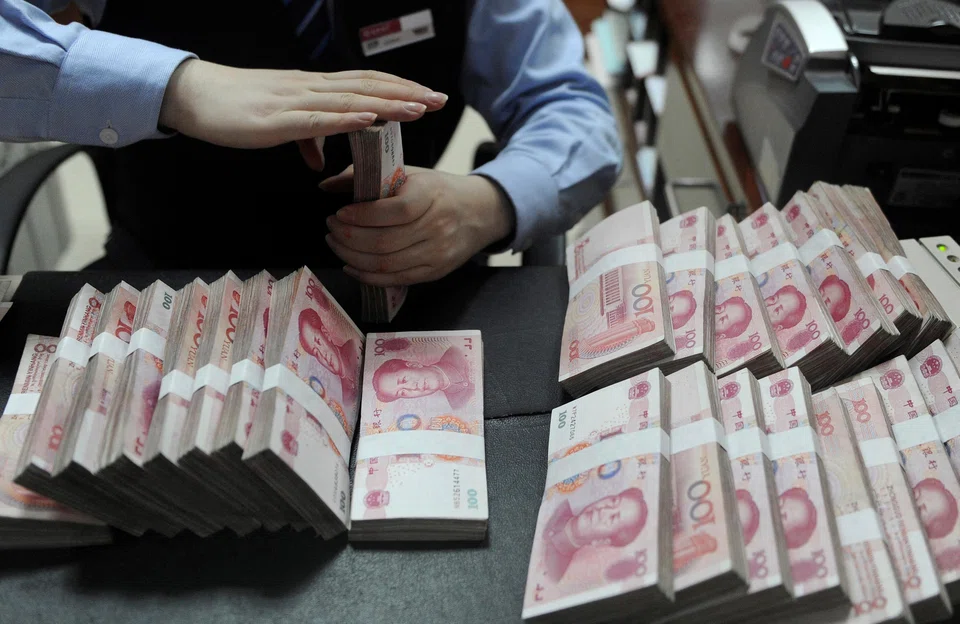
CHINA’S yuan weakened past the closely watched 7.2-per-dollar level as investor sentiment soured on a lack of aggressive stimulus and Beijing signalled a level of comfort about the declines.
The offshore yuan fell as much as 0.3 per cent to 7.2007 per dollar, the weakest since November, while the onshore unit declined 0.2 per cent. The yuan has tumbled more than 4 per cent over the last three months to become the second worst performer in Asia following the yen.
The People’s Bank of China (PBOC) set its fixing for the managed currency at a level that was slightly weaker than the average estimate in a Bloomberg survey, stoking bets Beijing is on board with yuan depreciation amid a flagging economy. Local banks delivered only a modest reduction to key borrowing costs on Tuesday (Jun 20), disappointing traders anticipating stronger support measures after authorities cut a string of policy rates last week.
China’s economic recovery since the dismantle of its Covid curbs has been unimpressive, with the nation’s manufacturing sector contracting and retail sales trailing estimates in May. Beijing’s slow stimulus rollout is adding to concerns about the economy and investors continue to debate what steps authorities will take to reignite growth.
With strategists from Goldman Sachs Group to Mizuho Bank flagging 7.20 as a potential soft floor for the yuan, traders will be watching to see if the currency’s weakness can be slowed. Sentiment in the options market shows some small signs of optimism even if the broader mood remains negative.
The currency is also weighed by capital outflows and bets that the Federal Reserve will keep hiking rates. The fixing limits moves of the onshore yuan by 2 per cent on either side. BLOOMBERG
Decoding Asia newsletter: your guide to navigating Asia in a new global order. Sign up here to get Decoding Asia newsletter. Delivered to your inbox. Free.
Share with us your feedback on BT's products and services
TRENDING NOW

Jardine C&C selling Singapore, Malaysia dealerships to Indonesia’s Chandra Asri for US$221 million gain
Singapore’s AI boom is lifting GDP. Who gets carried along?
How BYD disrupted Singapore’s car market – and why the strategy is turning on itself

From sales executive to DBS chairman: A look at banking veteran Peter Seah’s career

